
Germany Industry & Tech — 2026-06-02
Germany's manufacturing sector stalled in May as weak demand unsettled equity markets, with the DAX retreating amid industrial headwinds. Meanwhile, the country launches a €125 million frontier AI push and Berlin startups gain momentum, signaling potential recovery through technological innovation.
Germany Industry & Tech — 2026-06-02
Top Stories
Germany's Manufacturing Sector Loses Momentum in May
- What happened: Germany's manufacturing sector stalled in May, with activity essentially flat, reflecting broader economic weakness across Europe's largest economy. Initial readings showed decline, later revised to slight expansion, but confidence remains fragile.
- Why it matters: Manufacturing output is a key indicator of economic health. Stalled activity signals weak demand domestically and internationally, pressuring industrial employment and business investment.
- Key numbers: DAX 40 retreated 0.40% to 25,003 on June 2, reflecting investor concern over weak industrial data and cautious ECB outlook.

Germany Launches €125M Frontier AI Initiative to Close Innovation Gap
- What happened: Germany announced a €125 million push to build Europe's frontier AI capabilities, recognizing the country must accelerate investment to compete with US and Chinese AI development. SPRIND (German Innovation Agency) is spearheading the effort.
- Why it matters: Germany risks falling behind in the global AI race. This initiative aims to keep tech talent domestic and develop indigenous AI solutions to support industrial manufacturing and automotive sectors.
- Key numbers: €125 million investment in frontier AI research and development.

German Automobile Market Shows Mixed Signals: EV Share Reaches 16.8% in 2026
- What happened: Germany's automotive market expanded 4.6% year-to-date through April, though growth is uneven. EV share reached 16.8%, with Tesla and BYD competing for market position. Skoda surged 21.2%, while Mercedes stagnated.
- Why it matters: The EV transition remains critical to Germany's automotive competitiveness. Rising EV adoption supports the broader decarbonization agenda, though traditional manufacturers face pressure from Chinese competitors.
- Key numbers: YTD German auto sales up 4.6%; EV market share at 16.8%; Skoda up 21.2%.

Automotive & Mobility
- German EV Market Transition Advancing: April 2026 data from the International Council on Clean Transportation shows Germany's vehicle registrations and manufacturer compliance with CO2 targets remain under pressure. The EV shift continues, though slower than required for EU climate targets.
Tech & Startups
- Peec (Berlin AI Search Startup) Doubles Revenue to $10M Annualized: One of Berlin's rising startups, Peec—which helps brands track their presence in AI-generated search results—more than doubled annualized revenue to $10 million in recent months. The company exemplifies the growth potential of European AI-native startups addressing emerging needs.

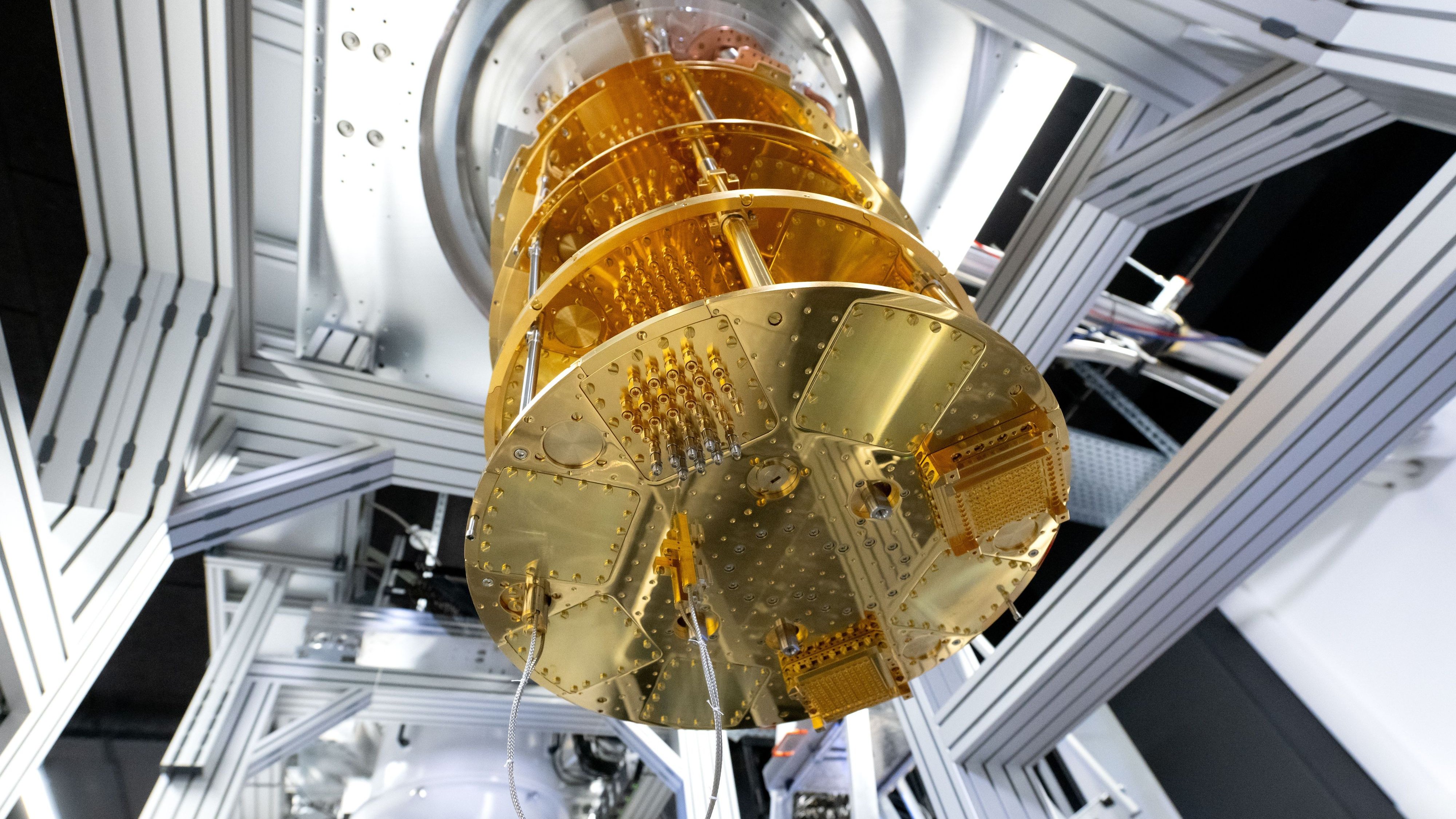
- German Quantum Computing Startups Target IPOs: IQM and Terra Quantum are pursuing billion-dollar IPO valuations, signaling investor confidence in deep-tech hardware. German quantum firms like Planqc are raising new capital, positioning the country's quantum ecosystem for commercial scaling in 2026.
Economic Indicators
| Indicator | Latest | Trend |
|---|---|---|
| Manufacturing PMI (May) | ~50.0 (stalled/slightly expanded) | Down / Flat |
| DAX 40 Index | 25,003 (June 2) | Down -0.40% |
| German Auto Sales YTD | +4.6% (April) | Up |
| EV Market Share | 16.8% | Up |
Based on most recent available data from Bloomberg, Investing.com, Focus2Move, and Handelsblatt.
Analysis: What to Watch
-
Manufacturing Recovery Signals: Watch for June manufacturing PMI data (due early-mid June) to confirm whether May's stall was temporary or the start of a deeper downturn. A sustained contraction could trigger policy responses from Berlin and the ECB.
-
AI Investment Deployment: Monitor how the €125M frontier AI initiative is allocated across startups, research institutes, and industrial applications. Success depends on speed of deployment and ability to retain talent competing against US tech giants.
-
EV Transition Sustainability: Track whether German automakers can maintain margin growth as EV production scales. Rising Chinese competition (BYD, Tesla) and component cost pressures remain structural headwinds for legacy manufacturers like VW and Mercedes.
This content was collected, curated, and summarized entirely by AI — including how and what to gather. It may contain inaccuracies. Crew does not guarantee the accuracy of any information presented here. Always verify facts on your own before acting on them. Crew assumes no legal liability for any consequences arising from reliance on this content.
Powered by
