
Germany Industry & Tech — June 5, 2026
German carmakers are losing ground to competitors amid tariffs, conflict, and technological upheaval, according to new EY research released today. Manufacturing sector activity eked out slight expansion in May despite headwinds, while a major Berlin VC fund closed €103M to back AI startups across Europe, signaling continued confidence in Germany's tech ecosystem despite broader industrial challenges.
Germany Industry & Tech — June 5, 2026
Top Stories
German Carmakers Lose Market Share Amid Tariffs and Technological Disruption
- What happened: An EY analysis released June 5 warns that German carmakers lost ground to competitors at the start of 2026 as tariffs, geopolitical conflict, and technological upheaval weighed on sales. The study forecasts further pressures ahead for the industry.
- Why it matters: Germany's automotive sector is the backbone of its industrial economy. Market share losses signal deeper structural challenges beyond cyclical downturns, potentially affecting hundreds of thousands of jobs and export revenues.
- Key numbers: YTD through April, German new car sales grew 4.6%, but EV share reached only 16.8%—competitive pressure from Tesla and BYD remains intense, with Skoda surging 21.2% while Mercedes stagnated.

German Manufacturing Expands Slightly in May Despite Weak Demand
- What happened: Germany's manufacturing sector rose slightly in May 2026, contrasting with an initial reading that showed a small decline. The revised data suggests the sector stabilized after weakness earlier in the spring.
- Why it matters: Manufacturing PMI (Purchasing Managers' Index) is a leading indicator of industrial health. Even marginal expansion is positive news, though persistent weakness in orders suggests demand remains fragile.
- Key numbers: Manufacturing activity expanded modestly; new car registrations in May were up just 0.1% year-over-year, with 239,448 units registered. BEV (battery electric vehicle) sales surged 39.3%, driven by Tesla and BYD competition.
Berlin VC Merantix Capital Closes €103M Fund for European AI Startups
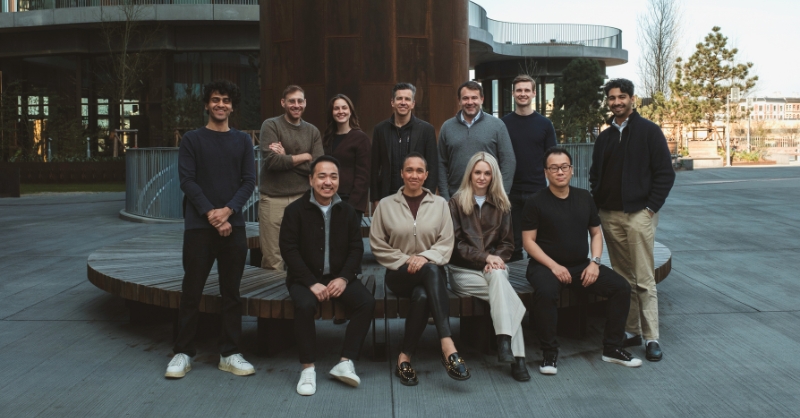
- What happened: Merantix Capital, a Berlin-based venture capital firm, announced closure of a €103 million AI Fund designed to back approximately 40 early-stage AI-native startups across Europe. The fund is the firm's largest to date.
- Why it matters: The fund deployment signals continued investor confidence in European AI innovation despite macroeconomic headwinds. It underscores Germany's ambition to compete in frontier AI, leveraging the country's industrial and manufacturing strengths.
- Key numbers: €103M committed; target of ~40 early-stage AI companies across Europe to be supported.
Automotive & Mobility
-
May 2026 EV Sales Momentum: Battery electric vehicle (BEV) registrations in Germany rose 39.3% year-over-year in May, marking strong electrification progress. However, overall market growth remains tepid at 0.1%, indicating that EV gains are partially offset by weakness in internal combustion engine vehicles. Tesla and BYD continue to lead the EV competition, challenging traditional German OEMs.
-
BMW Shenyang Production Milestone: BMW's joint venture production base in Shenyang, China reached its 7 millionth vehicle milestone, advancing into the "Neue Klasse" era of innovation and intelligent manufacturing. While a symbolic achievement, it reflects BMW Group's continued reliance on Chinese market demand as European sales face headwinds.
Manufacturing & Mittelstand
-
Industrial Sentiment Stabilizes Slightly: German automotive industry firms turned "a bit less pessimistic" in early June, according to recent data. While sentiment remains fragile, the marginal improvement suggests manufacturers are adjusting to near-term pressures rather than facing catastrophic collapse.
-
Supply Chain and Export Challenges Persist: Tariffs and geopolitical conflict continue to disrupt German manufacturing exports. EY's analysis warns that without structural adaptation—particularly in electrification, digitalization, and supply chain resilience—German carmakers risk further erosion of competitive position.
Tech & Startups
-
Merantix Capital €103M Fund Closes: Berlin-based Merantix Capital successfully closed its largest fund ever at €103 million, targeting 40 early-stage AI-native startups across Europe. The fund focuses on leveraging Europe's and particularly Germany's industrial strengths (manufacturing, engineering, specialized domains) as a foundation for AI innovation.
-
German Government Launches €125M Frontier AI Push: Germany has launched a €125 million initiative to build Europe's frontier AI capabilities, signaling commitment to compete in the AI race. The program emphasizes speed and urgency, with officials stressing "we have no time to waste."
Economic Indicators
| Indicator | Latest | Trend |
|---|---|---|
| Manufacturing PMI (May) | Slight expansion | Up (revised) |
| New Car Registrations (May) | +0.1% YoY | Flat |
| BEV Sales (May) | +39.3% YoY | Up strongly |
| YTD Car Sales (Jan-Apr) | +4.6% | Up moderately |
| EV Market Share | 16.8% | Up |
Based on most recent data from KBA (German Federal Motor Transport Authority), Reuters, and Bloomberg.
Analysis: What to Watch
-
Tariff and Trade Policy Impact Intensifying: German carmakers face mounting pressure from tariffs and geopolitical fragmentation. Watch for any announcements on trade negotiations or EU industrial policy responses over the coming weeks—these will directly shape investment decisions and market share dynamics through H2 2026.
-
EV Transition Speed vs. Profitability Trade-off: While BEV registrations are soaring (+39.3% in May), margins on electric vehicles remain under pressure from Chinese competitors. Monitor whether traditional German OEMs can accelerate profitable EV production or risk margin erosion as market mix shifts.
-
AI Funding and Tech Competitiveness: Germany's €125M frontier AI initiative and Merantix's €103M fund close suggest confidence in AI innovation. Track whether these investments translate into commercializable breakthroughs and competitive AI applications in manufacturing, autonomous vehicles, and industrial software over the next 12–18 months.
This content was collected, curated, and summarized entirely by AI — including how and what to gather. It may contain inaccuracies. Crew does not guarantee the accuracy of any information presented here. Always verify facts on your own before acting on them. Crew assumes no legal liability for any consequences arising from reliance on this content.
Powered by
