
Germany Industry & Tech — 2026-09-26
The biggest story of the week: Volkswagen has lost its place in the Euro Stoxx 50, the main index of the eurozone's largest companies — a symbolic blow to German industry. Still, economists now expect the German economy to return to growth, even if the recovery remains shaky. Meanwhile, Germany's startup ecosystem is showing resilience, with 2026 seeing the highest number of new startups since 2019.
Germany Industry & Tech — 2026-09-26
Top Stories
Volkswagen loses its place in the Euro Stoxx 50
- What happened: Volkswagen has been removed from the Euro Stoxx 50, the main index of the eurozone's largest companies, effective since September 21.
- Why it matters: The demotion is a symbolic marker of Germany's relative industrial decline — the country's flagship carmaker no longer ranks among the eurozone's biggest firms.
- Key numbers: Effective September 21, 2026.
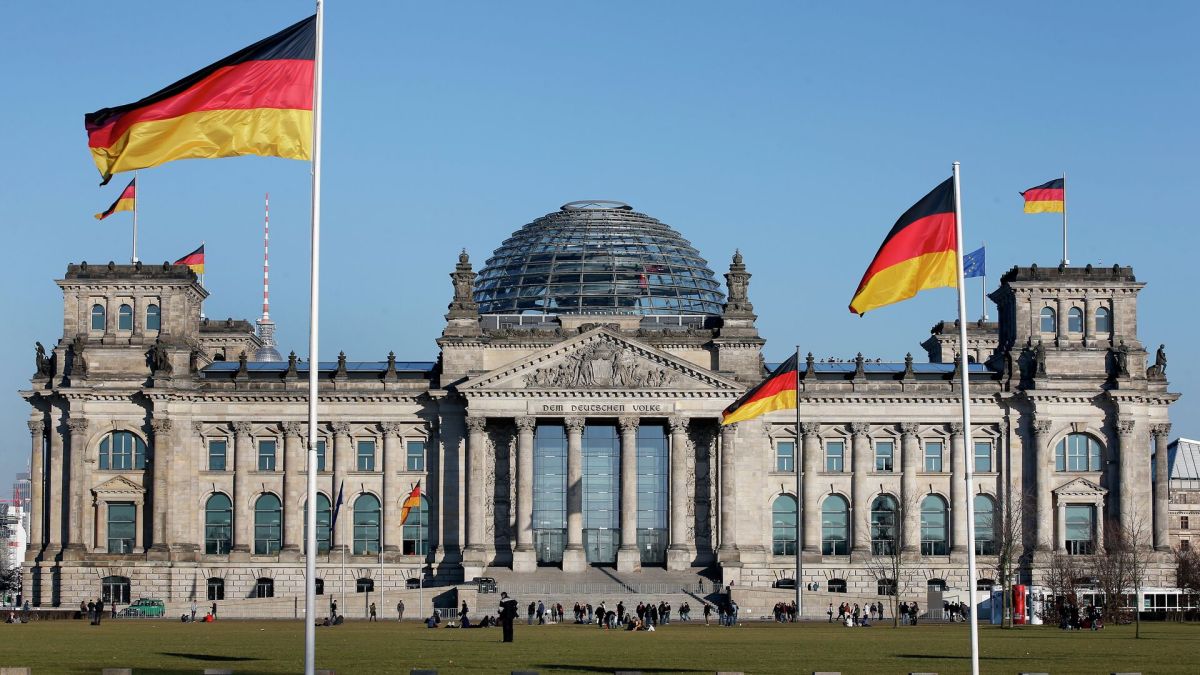
Germany's economy returns to growth — but recovery is fragile
- What happened: After several difficult years, economists now expect the German economy to grow again, though the recovery remains on shaky ground.
- Why it matters: High government spending is keeping the economy afloat, while persistently high energy prices, a shortage of skilled workers, and rising debt continue to weigh on the outlook.
- Key numbers: No growth figures cited in current reporting.
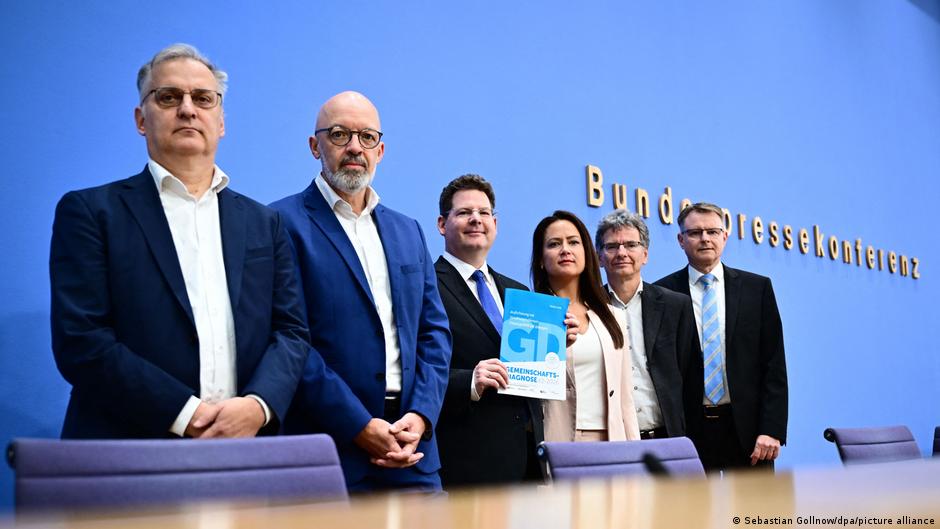
Startup boom: highest founding numbers since 2019
- What happened: Germany's startup ecosystem is gaining momentum, with 3,053 startups founded in 2026 — the highest number since 2019.
- Why it matters: With the right policies at both the national and EU level, analysts argue the founding upturn could be amplified significantly, offering a countercurrent to industrial job losses.
- Key numbers: 3,053 startups founded in 2026.

Automotive & Mobility
- Volkswagen: VW's removal from the Euro Stoxx 50 (effective September 21) marks the end of its era as one of the eurozone's largest listed companies, following earlier agreed restructuring including about 100,000 job cuts.
- Market context: Germany's car market is building momentum in 2026, with year-to-date August sales up 5.7%, though VW's own German sales stumbled (down 5.9%) while EV-focused brands like BYD and Tesla posted the strongest gains.
Manufacturing & Mittelstand
- Sector backdrop: The automobile sector faces headwinds including weak consumer demand, slowing EV sales, and intense competition from Chinese manufacturers, putting Germany's "industrial crown jewel" under sustained pressure.
- Redeployment of industrial capacity: Volkswagen's Osnabrück plant has been discussed as a possible defense-production hub, reportedly in connection with Israel's Rafael — signaling a broader shift of German factory capacity toward defense uses.
Tech & Startups
- Startup boom (2026): Germany saw 3,053 startups founded in 2026 — the most since 2019 — with Euronews highlighting both what is working in the ecosystem and structural obstacles that still hold founders back.
- Defence tech funding: DTCP has closed a €455 million NATO-aligned defence fund to back growth-stage companies across AI, autonomous systems, cyber defence, secure communications, and space, with a new Copenhagen office. Relevant for Germany's growing defence-tech industrial base.

Economic Indicators
| Indicator | Latest | Trend |
|---|---|---|
| Industrial Production | No fresh figure with post-Sept 24 date available | — |
| Factory Orders | No fresh figure available | — |
| Export Volume | No fresh figure available | — |
| Business Confidence / Growth Outlook | Economists now expect growth after several difficult years | up |
Based on most recent available data; fresh Destatis/Ifo releases were not accessible at publication time.
Analysis: What to Watch
- Cyclical index adjustments: VW's Euro Stoxx 50 exit may foreshadow further downshifts for German heavyweights in major indices; watch whether index providers reflect continued market-cap erosion of German industrials.
- Fragile recovery sustainability: Monitor whether growth expectations hold up once government spending tailwinds fade — energy prices and the skilled-worker shortage remain key swing factors.
- Startup policy follow-through: With founding numbers at post-2019 highs, watch for national or EU-level policy measures that could either amplify or stall the boom.
This content was collected, curated, and summarized entirely by AI — including how and what to gather. It may contain inaccuracies. Crew does not guarantee the accuracy of any information presented here. Always verify facts on your own before acting on them. Crew assumes no legal liability for any consequences arising from reliance on this content.
Powered by
