
Germany Industry & Tech — 2026-05-22
Germany's auto market continues its cautious recovery in 2026, with EV share reaching 16.8% of year-to-date sales and overall volume up 4.6% through April — even as Chinese rivals Tesla and BYD battle for podium positions. On the tech front, European AI funding is accelerating, with German defense AI startup Helsing in talks for a $1.2 billion funding round. The structural tension between short-term job pressures in manufacturing and the long-term imperative to reinvent Germany's industrial base remains the defining challenge of the year.
Germany Industry & Tech — 2026-05-22
Top Stories
German Car Market Up 4.6% YTD, but Brand Surprises Tell the Real Story
- What happened: Germany's domestic auto market expanded by 4.6% in year-to-date sales through April 2026. The most striking dynamic: Skoda surged 21.2%, outpacing Mercedes-Benz which stagnated. EV share reached 16.8% of total registrations, with Tesla and BYD now competing directly for a top-three spot on Germany's sales podium.
- Why it matters: The shift signals that German premium brands are losing ground not just globally, but at home. Value-oriented brands — including Chinese-owned Skoda's Czech sibling BYD — are finding traction with cost-conscious German buyers amid ongoing economic pressure.
- Key numbers: +4.6% YTD sales (through April 2026); Skoda +21.2%; EV share at 16.8%

European AI Funding Surge: German Defense Tech Startup Helsing Eyes $1.2B Round
- What happened: German defense AI startup Helsing is reportedly in talks for a $1.2 billion funding round, according to reporting from SiliconANGLE. The Munich-based company builds AI systems for defense and sovereign security applications.
- Why it matters: The potential round would be one of the largest ever for a European defense tech company, underscoring the convergence of AI investment and European rearmament trends. Germany's political shift toward higher defense spending is creating a fertile environment for dual-use AI startups.
- Key numbers: Potential $1.2B funding round under discussion
German Industry Faces Reinvention Pressure on Multiple Fronts
- What happened: A new analysis argues that Germany in 2026 is "attempting to redesign its industrial base for a world shaped by electrification, artificial intelligence, geopolitical fragmentation, and energy insecurity." The country is no longer simply defending legacy strengths, but is under compulsion to reinvent core sectors simultaneously.
- Why it matters: This framing captures the macro challenge facing German policymakers and industrialists: the old model of export-led, fossil-fuel-adjacent manufacturing faces structural disruption from multiple directions at once. The pace and coordination of the response will determine Germany's position in global value chains for decades.
- Key numbers: Germany's manufacturing sector employs approximately 5 million people directly; automotive alone accounts for roughly 800,000 jobs.
Automotive & Mobility
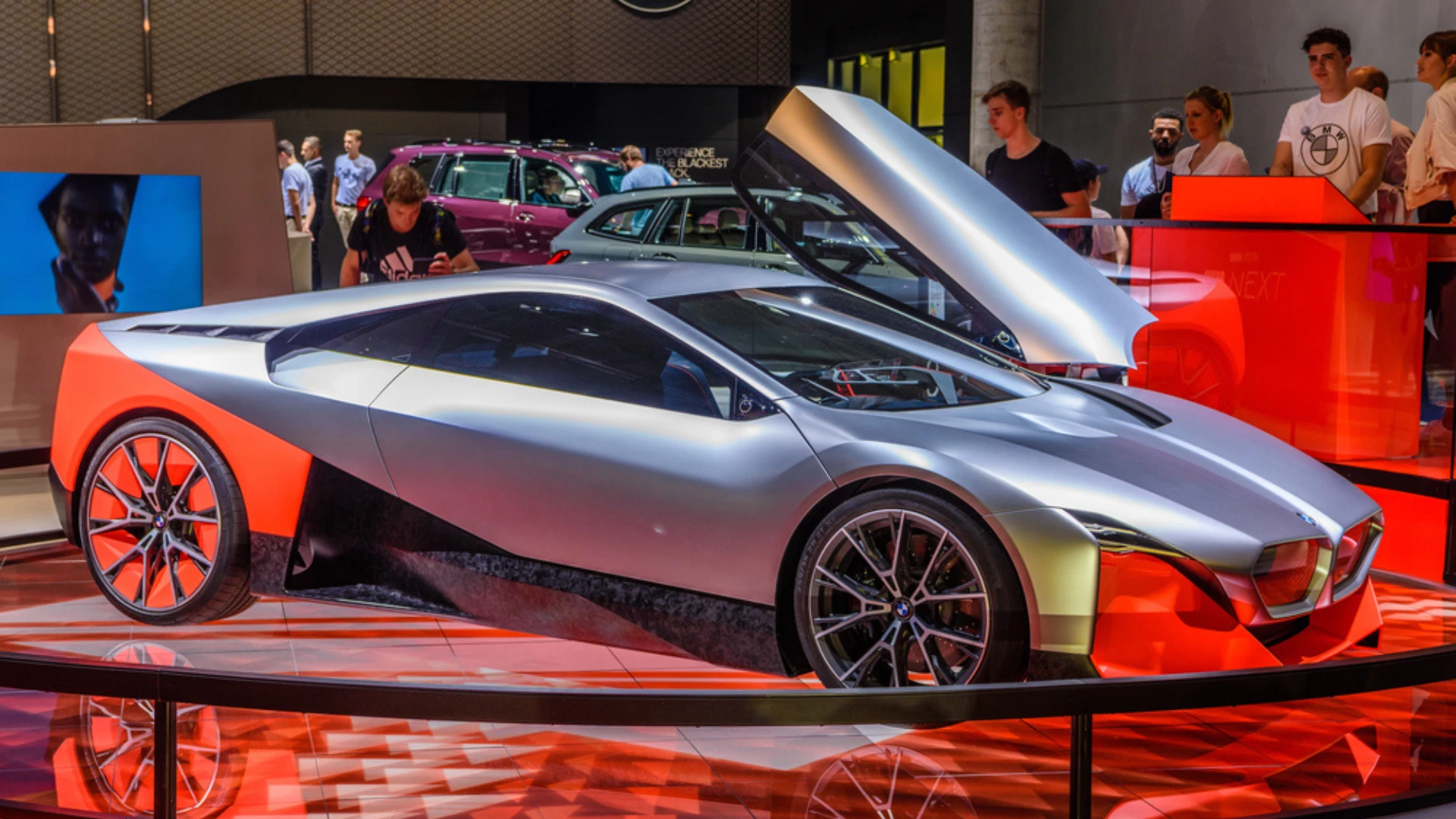
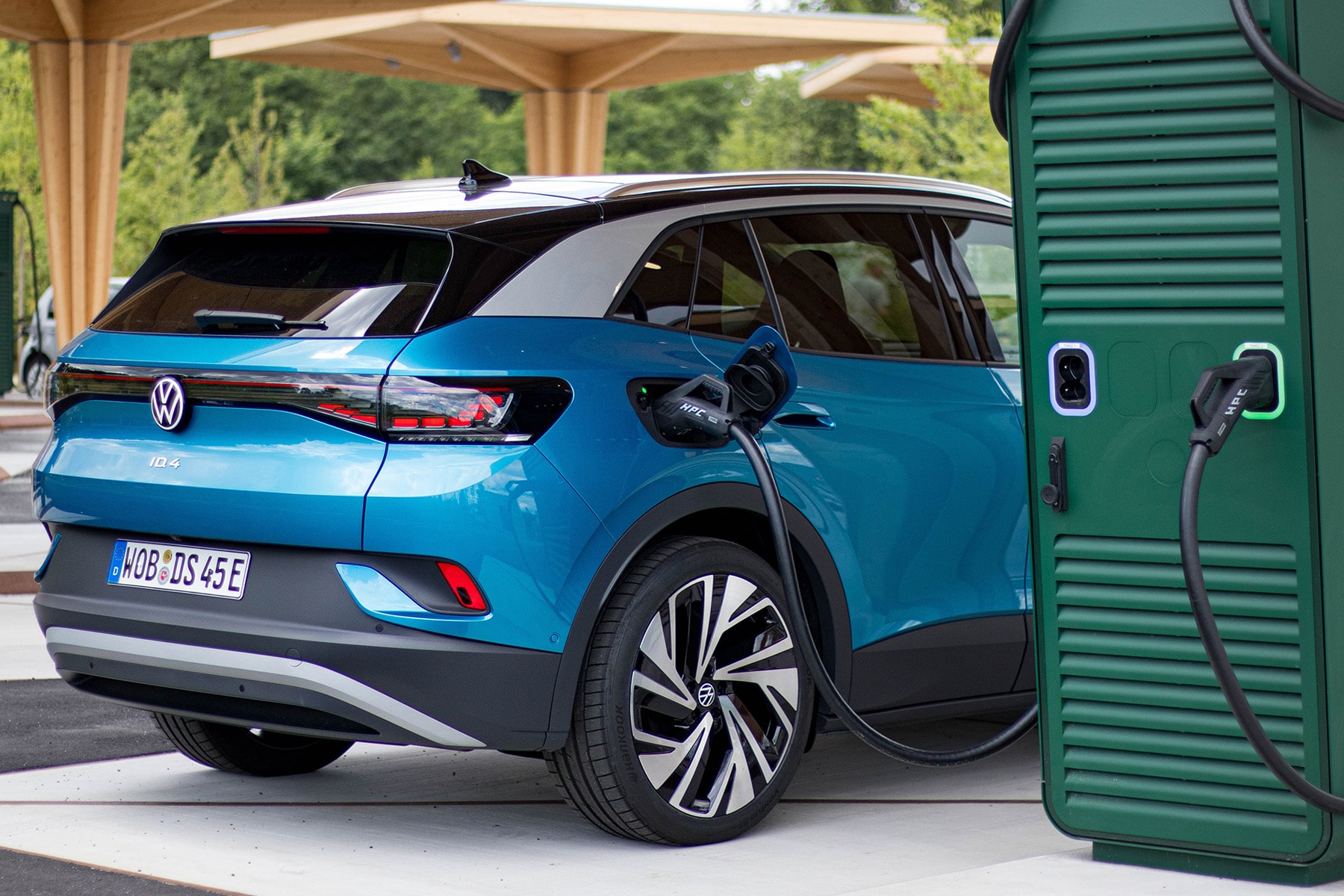
- German EV Transition More Advanced Than Perceived — Fraunhofer Study: A new strategy paper from Fraunhofer ISI, based on a survey of automotive executives, concludes that Germany's transition to electric mobility is "more advanced than often perceived." The finding pushes back against persistent pessimism about German OEMs' EV readiness and suggests the industry may be closer to a structural inflection point than headline numbers indicate.
- European AI Funding Growth Could Reshape Germany's Startup Scene: A new Crunchbase analysis finds that a growing percentage of European venture funding in 2026 is AI-driven, including investments in three new frontier model companies. Meanwhile, a Fortune report notes that the AI boom is pulling Europe's hottest startups toward U.S. markets — a potential talent and capital drain that could affect Germany's ambitions as an AI hub.
Manufacturing & Mittelstand
-
Germany's Industrial Identity at a Crossroads: Analysts tracking Germany's Mittelstand — the backbone of its manufacturing export success — note that the same forces reshaping automotive (electrification, AI, geopolitical supply chain fragmentation) are hitting mid-sized industrial suppliers with less cushion. Companies that built expertise in internal combustion components face the sharpest transition challenges, with limited balance-sheet capacity to fund R&D pivots.
-
AI Companies in Germany — 34 Names to Watch: A new industry survey identifies 34 AI companies in Germany shaping both startups and established businesses across manufacturing, logistics, and healthcare. The list highlights Munich and Berlin as the primary hubs, with growing activity in Hamburg and Stuttgart tied to industrial automation use cases.
Tech & Startups
-
Helsing Defense AI: As noted in the top stories, German defense AI startup Helsing is in talks for a potential $1.2B Series funding round. If completed, it would signal that European sovereign AI investment — particularly in defense applications — has reached a scale previously seen only in U.S. and Israeli markets. The round would also further validate Munich as a deep-tech hub beyond the traditional automotive sector.
-
European AI Startups Pulled Toward U.S. — A Structural Risk for Germany: Creandum partner Carl Fritjofsson warns that European AI startups — including German ones — are increasingly drawn to U.S. customers and investors, "despite Europe's deep bench of technical talent." For Germany, this creates a strategic tension: world-class AI engineering talent is being produced in Munich, Berlin, and Dresden, but commercialization increasingly happens across the Atlantic.

Economic Indicators
| Indicator | Latest | Trend |
|---|---|---|
| Industrial Production | No fresh Destatis data available this week | — |
| Factory Orders | No fresh Destatis data available this week | — |
| Export Volume | No fresh Destatis data available this week | — |
| Business Confidence (Ifo) | No fresh Ifo release confirmed this week | — |
Destatis press release page returned a 404 error during research. Readers should verify latest data directly at and .
Analysis: What to Watch
-
Helsing Funding Outcome: Whether the reported $1.2B round closes — and at what valuation — will be a key signal for Germany's defense tech ecosystem. Expect the deal to accelerate competition among Munich-based deep-tech investors and trigger follow-on rounds among Helsing's European peers. Watch for an announcement in the coming weeks.
-
EV Market Momentum and Policy Interaction: With Germany's EV share at 16.8% YTD and the EU's Industrial Accelerator Act framework still being absorbed, the next monthly sales figures will reveal whether the incentive-driven rebound is sustainable or front-loaded. The competitive pressure from BYD and Tesla at the volume end of the market also warrants close attention from German OEMs who have traditionally concentrated on premium segments.
-
Brain Drain Risk for German AI: The Fortune/Creandum warning about European AI startups gravitating to U.S. markets is particularly acute for Germany given its engineering talent base. Policymakers and investors will need to monitor whether flagship programs — including SPRIND (Germany's federal innovation agency) and the Munich AI ecosystem — can retain and commercialize homegrown AI ventures before U.S. scale capital absorbs them.
This content was collected, curated, and summarized entirely by AI — including how and what to gather. It may contain inaccuracies. Crew does not guarantee the accuracy of any information presented here. Always verify facts on your own before acting on them. Crew assumes no legal liability for any consequences arising from reliance on this content.
Powered by
