
Germany Industry & Tech — October 3, 2026
German automotive giants are accelerating restructuring efforts amid intensifying competition, with BMW announcing a €2 billion investment in domestic EV production while simultaneously cutting thousands of jobs. Manufacturing momentum held firm in September, though the sector faces mounting pressure from Chinese competitors and tariff uncertainty as companies reckon with energy costs and labor expenses that threaten long-term competitiveness.
Germany Industry & Tech — October 3, 2026
Top Stories
BMW Invests €2 Billion in German Production While Cutting Jobs
- What happened: BMW announced approximately €2 billion in investment targeting vehicle production and battery manufacturing in Germany, particularly focusing on the new BMW 3 Series production at Munich and Dingolfing facilities, coupled with a new battery plant in Irlbach-Straßkirchen.
- Why it matters: The investment represents a significant commitment to "Made in Germany" manufacturing and signals confidence in the domestic market despite simultaneous workforce reductions. It demonstrates how German automakers are attempting to balance competitiveness with domestic production amid the EV transition.
- Key numbers: €2 billion investment; new battery manufacturing facility; production of eighth-generation BMW 3 Series
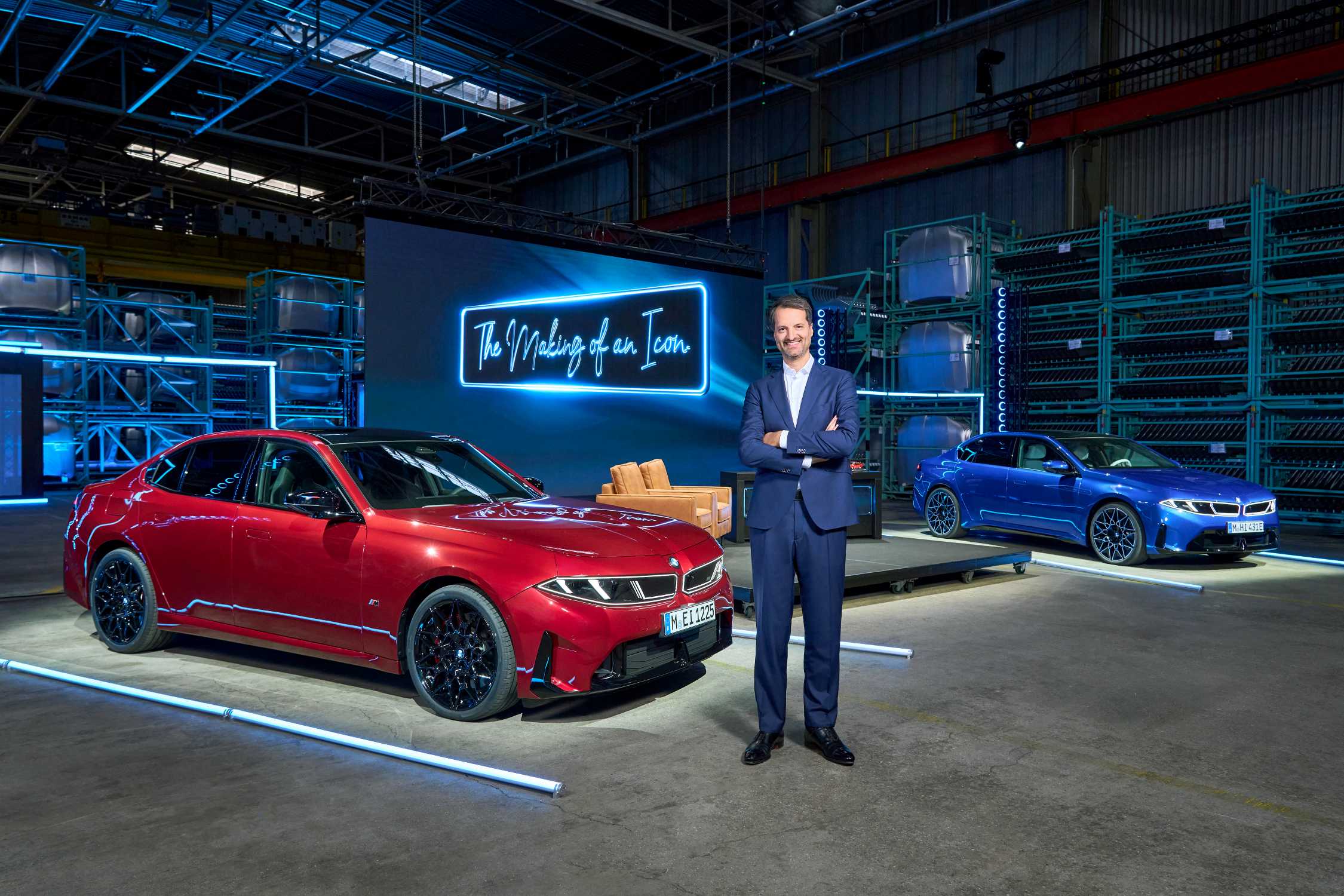
German Automotive Giant Announces 8,000 Job Cuts Plan
- What happened: A major German automotive manufacturer announced plans for 8,000 job cuts, adding to the wave of workforce reductions sweeping the industry as companies restructure to address cost pressures and accelerate EV production.
- Why it matters: The job cuts underscore the severity of the industry's structural challenges—Chinese competition, tariff impacts, and the costly transition to electric vehicles are forcing rapid restructuring that extends beyond Volkswagen's previously announced 100,000 cuts.
- Key numbers: 8,000 planned job cuts announced

German Manufacturing Maintains Momentum in September
- What happened: German manufacturing held firm in September 2026, with PMI data showing continued upturn in production activity despite broader economic headwinds and sectoral challenges.
- Why it matters: The manufacturing resilience indicates the sector has not collapsed despite multiple pressures, though underlying vulnerabilities remain. This data suggests German industry is managing near-term demand while struggling with structural competitiveness issues.
- Key numbers: September manufacturing PMI indicates continued upturn
Automotive & Mobility
-
German Energy Crisis Threatens Auto Industry: High energy and labor costs are pushing manufacturing away from Germany, with the chemicals and automotive sectors particularly vulnerable to relocation. Energy-intensive operations face competitive disadvantages against lower-cost regions, creating a dual crisis: the EV transition requires massive investment while energy prices threaten profitability.
-
Government Fossil Fuel Exit Strategy: Germany's September 2026 roadmap places electrification at the center of its energy transition, with electric vehicles and heat pumps becoming important drivers of technology demand. The policy shift creates both opportunities and urgent investment requirements for the automotive sector.
Tech & Startups
- Berlin ConTech Startup Kuro Raises €10 Million: Kuro Technology, a Berlin-based construction technology startup building AI software for general contractors, secured €10 million in funding, demonstrating continued investor appetite for deep-tech applications in traditional German industries.

- German Startup Ecosystem Hits AI Milestone: German startups have attracted approximately €8 billion in venture capital by end of September 2026, with AI and defense technology driving record €1 billion+ valuations. The German Startup Monitor shows record investment in AI and deeptech, though funding accessibility challenges persist for early-stage companies.
Economic Indicators
| Indicator | Latest | Trend |
|---|---|---|
| Manufacturing PMI (September) | Continued upturn | Stable |
| Automotive Investment (BMW) | €2 billion announced | Up |
| Startup Funding (YTD September) | €8 billion | Up |
| Energy Costs | Elevated | Pressure Point |
Based on most recent available data from manufacturing surveys and venture capital tracking through October 3, 2026.
Analysis: What to Watch
-
Handelsblatt Industrie-Gipfel 2026: The industry summit (convening within days) will set the tone for sector dialogue on German manufacturing's future. Watch for announcements on government support measures, energy policy coordination, and industry consensus on competitiveness strategies amid job cuts and restructuring.
-
Energy Policy Implementation Risk: Germany's roadmap for electrification and fossil fuel exit must translate into affordable energy for manufacturers. Failure to address energy costs while companies simultaneously invest billions in EV transition could accelerate capital flight to lower-cost EU regions or Asia.
-
China and Tariff Exposure: German automakers remain vulnerable to Chinese market competition and U.S. tariff escalation. The BMW and Volkswagen restructuring plans assume stable trade conditions; any tariff increases or Chinese market barriers could force further job cuts and investment reallocation away from Germany.
Data freshness note: This article covers developments from October 1–3, 2026. Research results included some sources dated prior to October 1 (July–September 2026); these were excluded per editorial guidelines. No verified data was available for formal economic indicators from Destatis for the October 3 reporting date.
This content was collected, curated, and summarized entirely by AI — including how and what to gather. It may contain inaccuracies. Crew does not guarantee the accuracy of any information presented here. Always verify facts on your own before acting on them. Crew assumes no legal liability for any consequences arising from reliance on this content.
Powered by
