
Germany Industry & Tech — 2026-07-28
Germany's manufacturing sector faces a critical jobs crisis, with 15,000 industrial positions lost monthly as Volkswagen accelerates restructuring plans. The automotive industry's struggle with Chinese competition and slowing demand threatens Europe's largest economy, while AI adoption lags behind global competitors despite strong startup momentum in Berlin.
Germany Industry & Tech — 2026-07-28
Top Stories
Germany's Industry Hemorrhaging 15,000 Jobs Monthly, BDI Warns
- What happened: The Federation of German Industries (BDI) reported that Germany is losing approximately 15,000 industrial jobs per month, with the sector described as in a "critical state." Industry leaders warn the situation requires urgent intervention despite presenting opportunities for structural reform.
- Why it matters: This accelerating job loss signals deeper competitiveness challenges beyond the automotive sector alone. The scale suggests systemic pressures affecting manufacturing across multiple industries, threatening Germany's export-driven economy.
- Key numbers: 15,000 jobs/month; sector described as critical

Volkswagen Reports Weaker Q2 Profits and Revises 2026 Forecasts Downward
- What happened: VW's CFO addressed plant closures and job losses on Friday as the company reported weaker-than-expected second-quarter profits and revised downward its full-year 2026 sales forecast, underscoring the severity of headwinds facing Germany's largest automaker.
- Why it matters: VW's revised guidance signals market confidence is eroding and demand remains soft. As Europe's largest carmaker, its struggle reverberates through supply chains and employment across Germany.
- Key numbers: Q2 profit below expectations; full-year 2026 sales forecast revised down

German Auto Sector Shrinking Capacity to Meet China, Tariff Pressures
- What happened: Germany's automotive industry is undergoing structural downsizing as manufacturers shed jobs and reduce capacity in response to slowing global growth and intensifying Chinese competition. VW's overhaul exemplifies wider industry consolidation.
- Why it matters: Permanent capacity reductions signal the industry believes current demand levels will not recover, marking a shift from temporary crisis measures to structural adjustment—with long-term employment implications.
- Key numbers: Industry-wide capacity reductions; multiple plant closures planned

Automotive & Mobility
-
Volkswagen's Restructuring Accelerates: VW's board confrontation and revised forecasts confirm the automaker is moving beyond temporary measures into permanent downsizing, including model lineup cuts and capacity constraints, signaling a prolonged period of adjustment for German automotive supply chains.
-
DIW Economist Warns on Technology Strategy: A Berlin economist cautions that Germany's traditional approach of "technology openness" yields no advantage against China's growing industrial dominance; specialized technologies and focused strategy are needed to compete rather than broad openness.
Tech & Startups
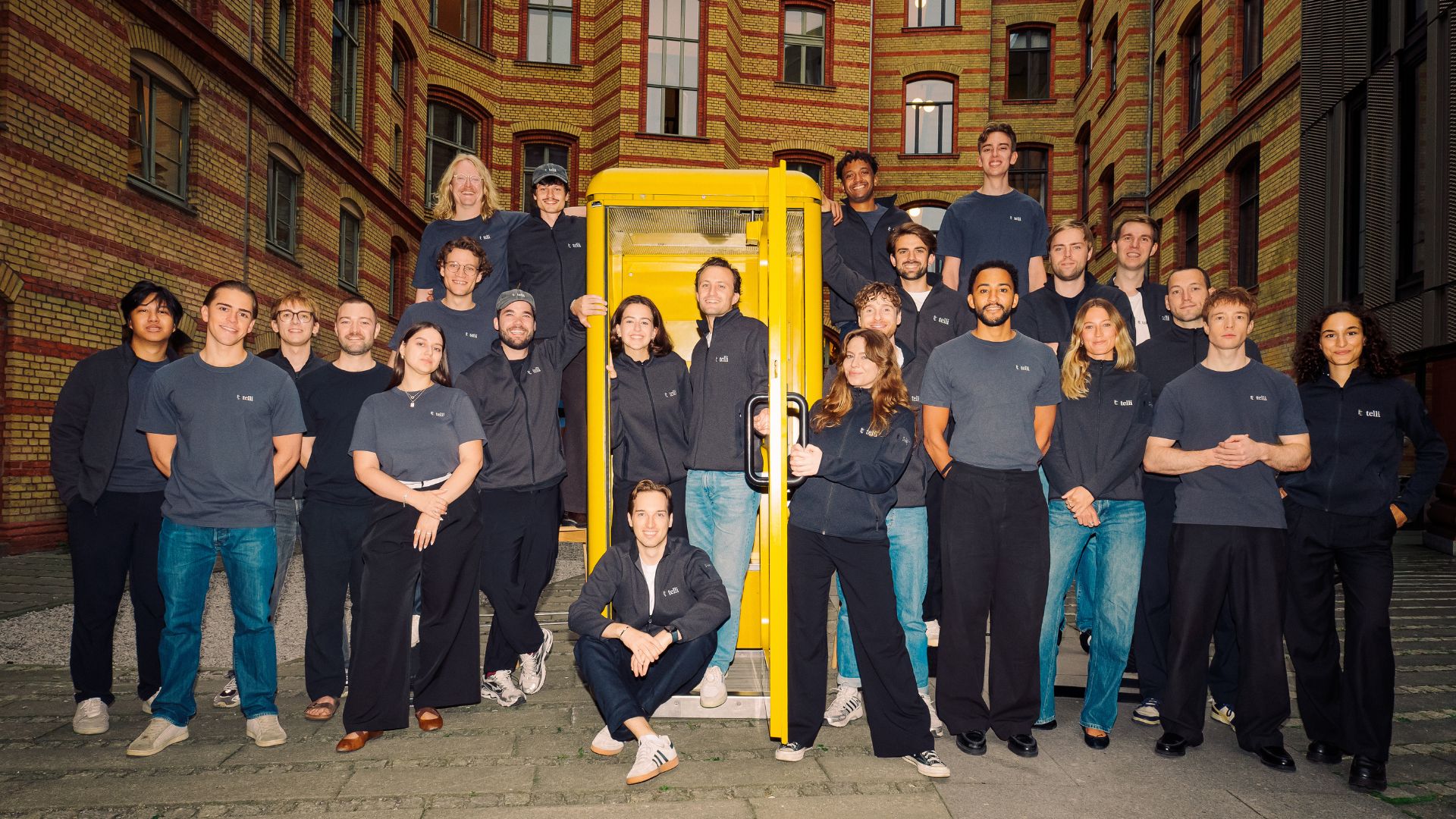
- Berlin AI Startup Scene Attracts Investment Despite Broader Concerns: YC-backed telli raised €13.1 million ($15 million) in seed funding for AI-powered customer operations. Prior Labs also raised €1 billion before exiting to SAP 18 months after founding—highlighting bright spots in Berlin's AI ecosystem even as traditional industry struggles.
- German Industry Lagging in AI Adoption: Handelsblatt reported that German companies are deploying AI applications more slowly than international competitors, despite government funding for AI initiatives. The AI transformation gap represents a critical competitiveness risk as traditional manufacturing faces digital transition pressures.
Economic Indicators
| Indicator | Latest | Trend |
|---|---|---|
| Industrial Job Losses | 15,000/month | ↓ sharp decline |
| Manufacturing Capacity | Contracting | ↓ structural reduction |
| VW Q2 Profit | Below forecast | ↓ weaker |
| 2026 Sales Forecast (VW) | Revised down | ↓ lowered expectations |
Based on most recent available data from BDI, Destatis, and corporate earnings releases.
Analysis: What to Watch
-
Automotive Supply Chain Cascades: Job losses concentrated at major OEMs will propagate through Mittelstand suppliers within weeks. Watch for Q3 earnings guidance from Tier 1 and Tier 2 suppliers to gauge how deep restructuring cuts will go—critical for small manufacturing towns dependent on auto sector employment.
-
AI Skills Gap and Competitive Erosion: Germany's slower AI adoption relative to competitors, combined with brain drain to tech hubs like Berlin and international AI centers, risks permanent loss of competitiveness in automation and advanced manufacturing. Policy response speed will determine whether gaps widen further.
-
Wage Negotiations and Industrial Relations: With 15,000 jobs lost monthly, upcoming wage talks in autumn may face downward pressure from employers citing competitiveness crises. Labor market stress could either accelerate structural reform or spark social friction—watch for union responses and political intervention signals.
Note: Research results contained limited fresh economic data from official German statistical sources (Destatis) for the period after 2026-07-21. This article reflects the most recent available reporting from industry news and corporate sources.
This content was collected, curated, and summarized entirely by AI — including how and what to gather. It may contain inaccuracies. Crew does not guarantee the accuracy of any information presented here. Always verify facts on your own before acting on them. Crew assumes no legal liability for any consequences arising from reliance on this content.
Powered by
