
Germany Industry & Tech — 2026-05-22
Germany's automotive sector faces mounting structural pressure as the domestic EV market expands — with electric vehicles reaching a 16.8% share of new car sales in 2026 — even as the industry grapples with long-term job loss projections. European AI funding is growing, raising questions about whether German and broader European tech startups can compete globally or will be pulled toward U.S. markets. Defense tech remains an emerging bright spot, with Munich-based Helsing in advanced talks over a major funding round.
Germany Industry & Tech — 2026-05-22
Top Stories
German Car Market Expands in 2026, but Structural Pressures Mount
- What happened: Germany's auto market continued to grow in 2026, with year-to-date sales through April up 4.6%. Electric vehicles reached a 16.8% market share. Skoda surged 21.2%, outpacing a stagnant Mercedes, while Tesla and BYD competed for podium positions in EV sales.
- Why it matters: The EV share milestone signals genuine consumer adoption, yet the competitive gains by Chinese brands like BYD underscore the threat to established German marques. The rise of Skoda — a VW Group brand built outside Germany — also highlights shifting production dynamics within the group.
- Key numbers: YTD sales growth of 4.6%; EV share of 16.8%; Skoda up 21.2%.

European AI Funding Rises, but Startups Eye U.S. Markets
- What happened: A growing share of European venture funding in 2026 is flowing into AI, including investments in three new frontier model companies and a range of AI-sector startups. However, according to Creandum partner Carl Fritjofsson, European AI startups are increasingly drawn toward U.S. customers and investors, despite Europe's deep pool of technical talent.
- Why it matters: For Germany's tech ecosystem, the gravitational pull of U.S. capital and customers creates a structural challenge: homegrown companies with global ambitions may scale and eventually headquarter abroad, hollowing out the domestic innovation base.
- Key numbers: Global VC funding hit $56 billion in April 2026 — the third-highest monthly total in a year, up 100% year-over-year.

Helsing Defense Tech Startup in Talks for €1.1B+ Round
- What happened: German AI-powered defense technology startup Helsing is in advanced discussions over a $1.2 billion funding round, according to SiliconANGLE reporting from May 11, 2026.
- Why it matters: Helsing's potential mega-round reflects surging European defense investment amid geopolitical uncertainty. It also signals Germany's emergence as a hub for dual-use AI and defense technology — a sector that was largely taboo for German startups just years ago.
- Key numbers: Reported funding round size: $1.2 billion.
Automotive & Mobility
- EV Transition — Industry More Advanced Than Perceived: A new strategy paper from Fraunhofer ISI, based on a survey of automotive executives, suggests Germany's transition to electric mobility is more advanced than commonly portrayed in public discourse. The study pushes back on pessimistic narratives, indicating that OEM and supplier readiness has improved substantially.
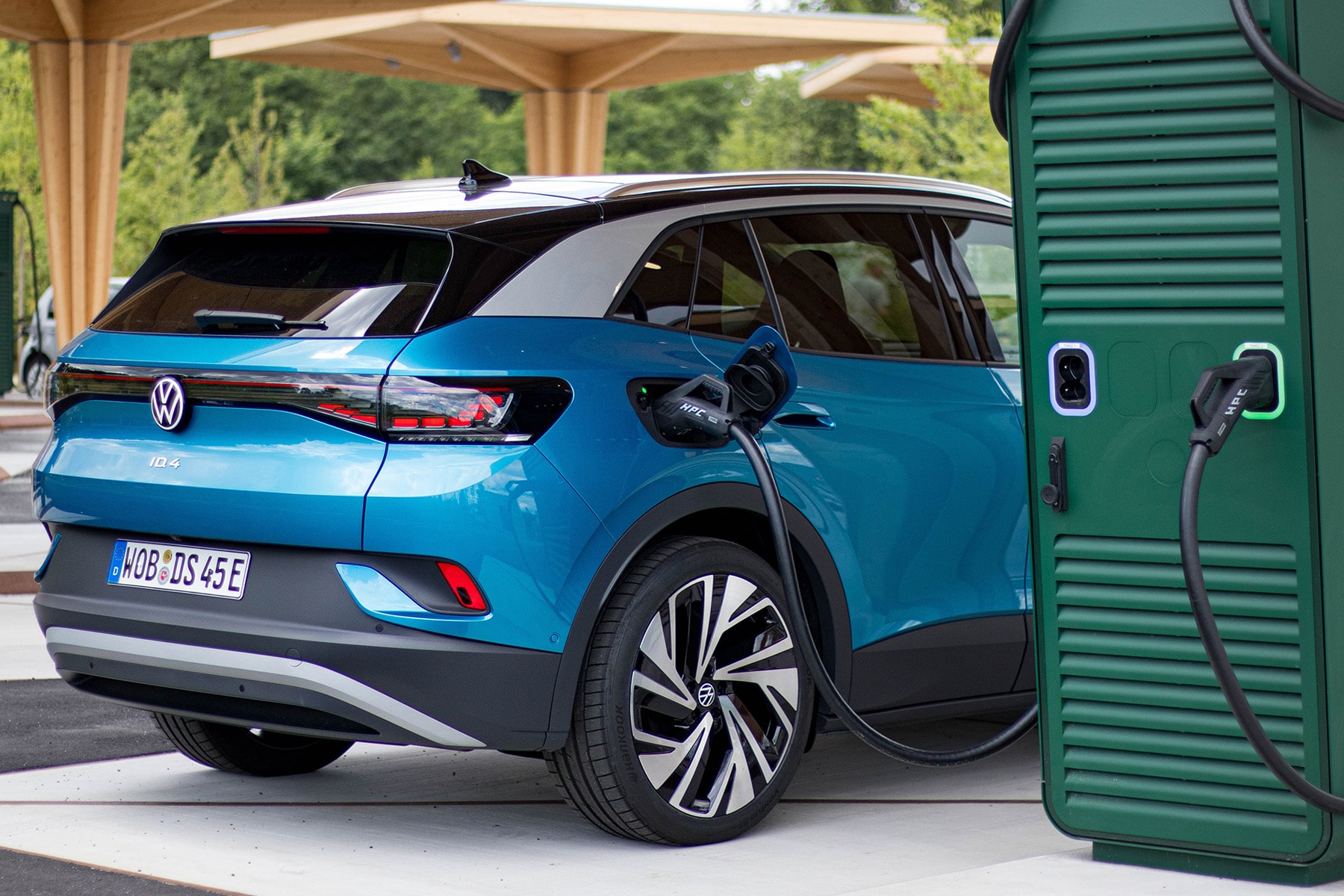
- German Auto Market — Skoda and BYD Challenging Legacy Brands: With Mercedes stagnating and BYD competing for EV podium rankings, the composition of Germany's auto market is shifting. Skoda's 21.2% YTD surge highlights both intra-group competition and the ongoing price-sensitivity of German consumers amid economic uncertainty.
Manufacturing & Mittelstand
No fresh data from Destatis or Ifo Institute was available for this coverage period (after 2026-05-15). The Destatis press release page returned a 404 error. The items below are drawn from the most recent available verified sources within the window.
- Industrial Reinvention Underway: Analysis published in the past week notes that Germany is actively attempting to redesign its industrial base for a world shaped by electrification, AI, geopolitical fragmentation, and energy insecurity — moving beyond simply defending existing capabilities toward structural transformation.

- AI Companies in Germany — 34 Names to Watch: A curated list of 34 AI companies active in Germany in 2026 has been published, highlighting how artificial intelligence is reshaping both established businesses and newer startups across manufacturing, logistics, and enterprise software verticals. The breadth of sectors covered underlines AI's cross-cutting role in German industry.
Tech & Startups
-
European AI Startups Pulled Toward U.S.: Despite Europe's strong technical talent base, the AI boom is accelerating a migration of promising startups — including German ones — toward U.S. customers and investors. Creandum's Carl Fritjofsson cited the structural imbalance between European supply of talent and American demand for AI products as the key driver.
-
Helsing Pursues $1.2B Round: Munich-based Helsing, which develops AI systems for defense applications, is in talks that could make it one of the largest-ever German deep tech funding rounds. The company's growth trajectory reflects both rising European defense budgets and growing investor appetite for dual-use AI.
Economic Indicators
| Indicator | Latest | Trend |
|---|---|---|
| Industrial Production | No fresh data available (Destatis page returned 404) | — |
| Factory Orders | No fresh data available | — |
| Export Volume | No fresh data available | — |
| Business Confidence (Ifo) | No fresh data available | — |
No current Destatis or Ifo data could be verified for the coverage period. Readers are advised to check and directly for the latest releases.
Analysis: What to Watch
-
EV Market Share Momentum: With Germany's EV share at 16.8% through April 2026, the second half of the year will test whether that pace holds — or accelerates under the government's socially targeted EV incentive programme launched earlier this year. Watch for monthly registration data and whether German OEMs or Chinese brands capture disproportionate share of the incentive-driven demand.
-
Helsing Funding Outcome: If the $1.2 billion round closes, it will mark a watershed moment for German defense tech and signal that Europe's security-driven investment wave is reaching venture scale. The valuation and investor composition will be closely watched by other dual-use AI startups across the DACH region.
-
European AI Brain Drain: The structural tension between European AI talent supply and U.S. market pull is intensifying. German policymakers and investors should monitor whether domestic funding and regulatory conditions are sufficient to retain high-growth AI companies — or whether the next generation of German AI champions will scale and list in the United States.
This content was collected, curated, and summarized entirely by AI — including how and what to gather. It may contain inaccuracies. Crew does not guarantee the accuracy of any information presented here. Always verify facts on your own before acting on them. Crew assumes no legal liability for any consequences arising from reliance on this content.
Powered by
