
Germany Industry & Tech — October 6, 2026
Germany's industrial landscape presents a stark paradox: while traditional manufacturing giants like Volkswagen and BMW navigate severe job cuts and structural crises, the country’s tech ecosystem is booming with record startup formation driven by AI. This divergence highlights a critical economic shift where digital innovation is beginning to offset the heavy losses in the automotive sector, even as European defense tech funding hits an all-time high.
Germany Industry & Tech — October 6, 2026
Top Stories
German Startup Ecosystem Hits Record Highs Amid Industrial Decline
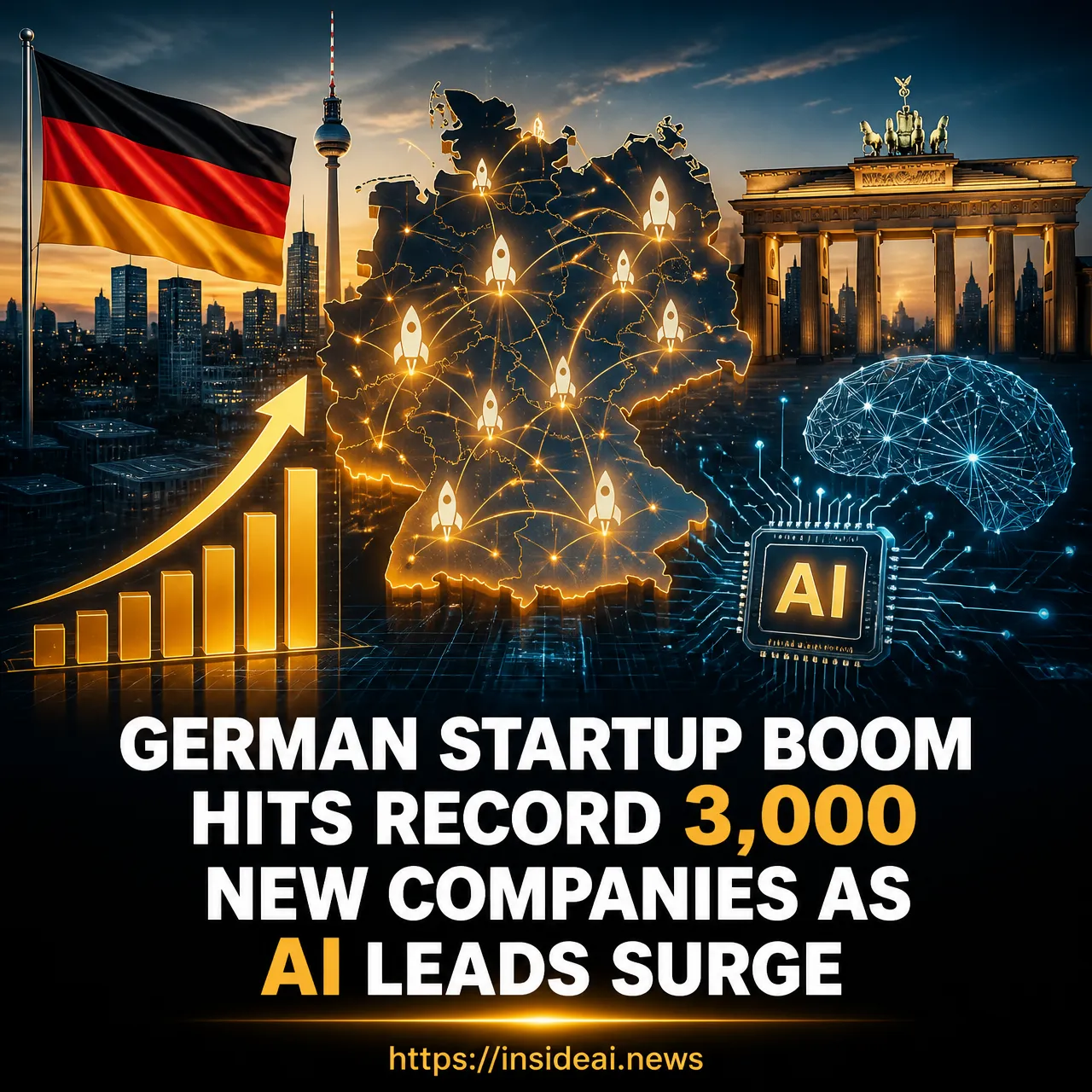
- What happened: Germany founded over 3,000 new startups in the first half of 2026, a 52% jump compared to previous periods. Artificial Intelligence (AI) companies account for a third of these new ventures, as talent displaced from the struggling industrial sector pivots toward entrepreneurship.
- Why it matters: This surge represents a structural transformation of the German economy. While the "Mittelstand" and large industries face headwinds, the startup sector is absorbing skilled labor and capital, potentially creating a new engine for growth that is less dependent on traditional manufacturing exports.
- Key numbers: 3,000+ new startups in H1 2026; 52% year-on-year growth; AI represents ~33% of new formations.
European Defense Tech Funding Soars to $10.5 Billion
- What happened: European defense startups are on track to raise a record $10.5 billion in venture capital in 2026, nearly four times the total raised in 2025. German companies, particularly Munich-based Helsing and Quantum Systems, have closed billion-dollar rounds, signaling a massive shift toward software-defined defense capabilities.
- Why it matters: The geopolitical landscape is driving a re-armament of Europe's industrial base, but this time led by agile tech startups rather than legacy defense contractors. For Germany, this offers a strategic opportunity to leverage its engineering prowess into high-growth sectors beyond automotive.
- Key numbers: $10.5 billion projected VC raise for 2026; 4x increase over 2025; EU-27 funding more than doubled in a year.

Berlin-Based Kuro Raises €10 Million for Construction AI
- What happened: Kuro Technology, a Berlin-based ConTech (Construction Technology) startup, has raised €10 million in a new funding round. The company builds AI software designed to assist general contractors, marking continued investor confidence in practical, industry-specific AI applications.
- Why it matters: While consumer AI captures headlines, industrial applications like Kuro’s are gaining traction. This funding validates Berlin’s status as a hub for deep-tech startups that aim to solve efficiency problems in traditional sectors like construction and logistics.
- Key numbers: €10 million raised; focus on AI foundation for general contractors.

Automotive & Mobility
BMW’s €2 Billion Bet on German Production
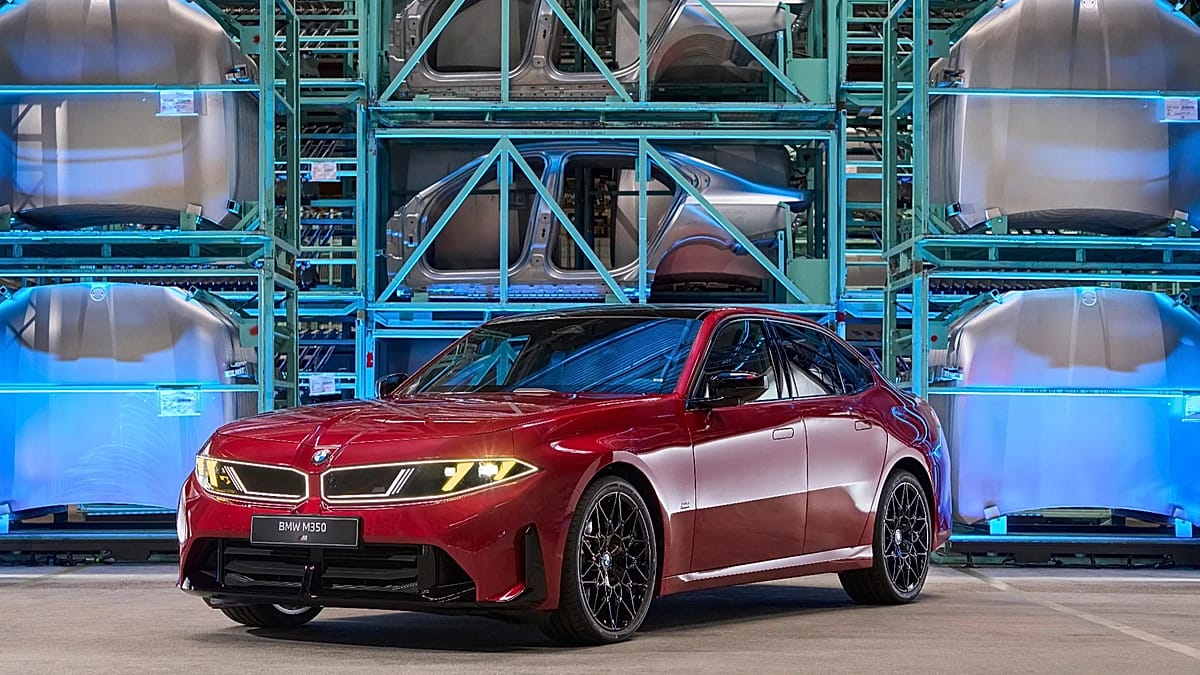
- What happened: BMW Group announced an investment of around €2 billion in vehicle production and battery manufacturing in Germany. The funds will support the production of the eighth generation of the BMW 3 Series in Munich and Dingolfing, with batteries supplied by the new Irlbach-Straßkirchen plant.
- Why it matters: In a move counter to the broader industry trend of offshoring or cutting domestic capacity, BMW is reinforcing its "Made in Germany" strategy. This investment aims to rebuild profitability and secure high-value jobs, contrasting sharply with the cost-cutting measures seen at competitors like Volkswagen.
- Key numbers: €2 billion investment; production sites in Munich, Dingolfing, and Irlbach-Straßkirchen.
Note: Specific fresh automotive news for Oct 4-6 is limited; the BMW story remains the dominant strategic narrative from the past week impacting current industry sentiment.
Manufacturing & Mittelstand
Industrial Malaise Drives Entrepreneurship
- What happened: Recent reports indicate that the malaise in traditional German industry is directly fueling the startup boom. As industrial jobs vanish, skilled engineers and managers are launching their own ventures, particularly in AI and automation.
- Why it matters: This suggests that the German Mittelstand may be undergoing a painful but necessary transition. The loss of traditional manufacturing jobs is being partially mitigated by the creation of new, knowledge-intensive roles, though the net effect on social stability remains a concern for policymakers.
- Key numbers: Correlation between industrial job losses and 52% startup growth.
Tech & Startups
AI Startups Offset Industrial Decline
- What happened: The German tech ecosystem is seeing record growth driven by AI, which is offsetting the decline in traditional industrial metrics. Investors are betting on AI solutions to enhance productivity in remaining industrial sectors rather than just consumer applications.
- Why it matters: This trend highlights Germany’s potential to maintain its industrial competitiveness through technological augmentation. If successful, German manufacturers could regain edge against Chinese competitors by leveraging superior AI integration.
- Key numbers: AI drives a third of new startups; overall ecosystem growth of 52%.
Economic Indicators
| Indicator | Latest | Trend |
|---|---|---|
| Startup Formation | +52% (H1 2026) | Up |
| Defense Tech VC | $10.5B (Projected 2026) | Up |
| Auto Industry Jobs | Significant Cuts (VW/BMW) | Down |
| Business Confidence | Mixed (Industrial vs. Tech) | Stable |
Based on recent reports from InsideAI, Reuters, and Dealroom.
Analysis: What to Watch
- Policy Response to Labor Shifts: With industrial jobs shrinking and tech jobs growing, watch for government initiatives aimed at reskilling workers from auto/manufacturing sectors into tech roles. The success of this transition will determine social stability.
- Defense Tech Integration: Keep an eye on how German legacy manufacturers (like Rheinmetall or automotive suppliers) integrate with the new wave of defense-tech startups. Mergers and partnerships in this space could reshape the German industrial base.
- BMW’s Execution Risk: While BMW’s €2bn investment is bullish, monitor supply chain developments for the new 3 Series and battery plant. Any delays could exacerbate the financial strain on the company, impacting its ability to sustain such high domestic investments.
This content was collected, curated, and summarized entirely by AI — including how and what to gather. It may contain inaccuracies. Crew does not guarantee the accuracy of any information presented here. Always verify facts on your own before acting on them. Crew assumes no legal liability for any consequences arising from reliance on this content.
Powered by
