
Gig & Freelance Economy — October 5, 2026
The freelance economy continues to show resilience with major platforms competing on features and talent retention. India's gig sector is experiencing significant growth across logistics and digital services, while global policy shifts around worker classification remain a key concern for the industry.
Gig & Freelance Economy — October 5, 2026
Key Highlights
India's Gig Economy Expansion India's gig economy is experiencing rapid growth in 2026, with expansion across hyper-local logistics, digital freelancing, and emerging service sectors. The market is diversifying beyond traditional ride-sharing into delivery, task-based work, and skilled digital services.

Platform Competition for Premium Talent Fiverr's "Pro" tier has become the standard for premium creative services in 2026, while Jobbers.io is emerging as a disruptor with a 0% commission model, allowing freelancers to retain 100% of earnings. Toptal maintains its position targeting the top 3% of talent across development, design, and finance sectors.
Worker Classification Compliance Employers engaging gig workers face evolving compliance demands around worker classification as a critical legal issue. One proposed rule puts more weight on how much control workers have and whether they face profit or loss—a standard that tends to favor employers in classification disputes.
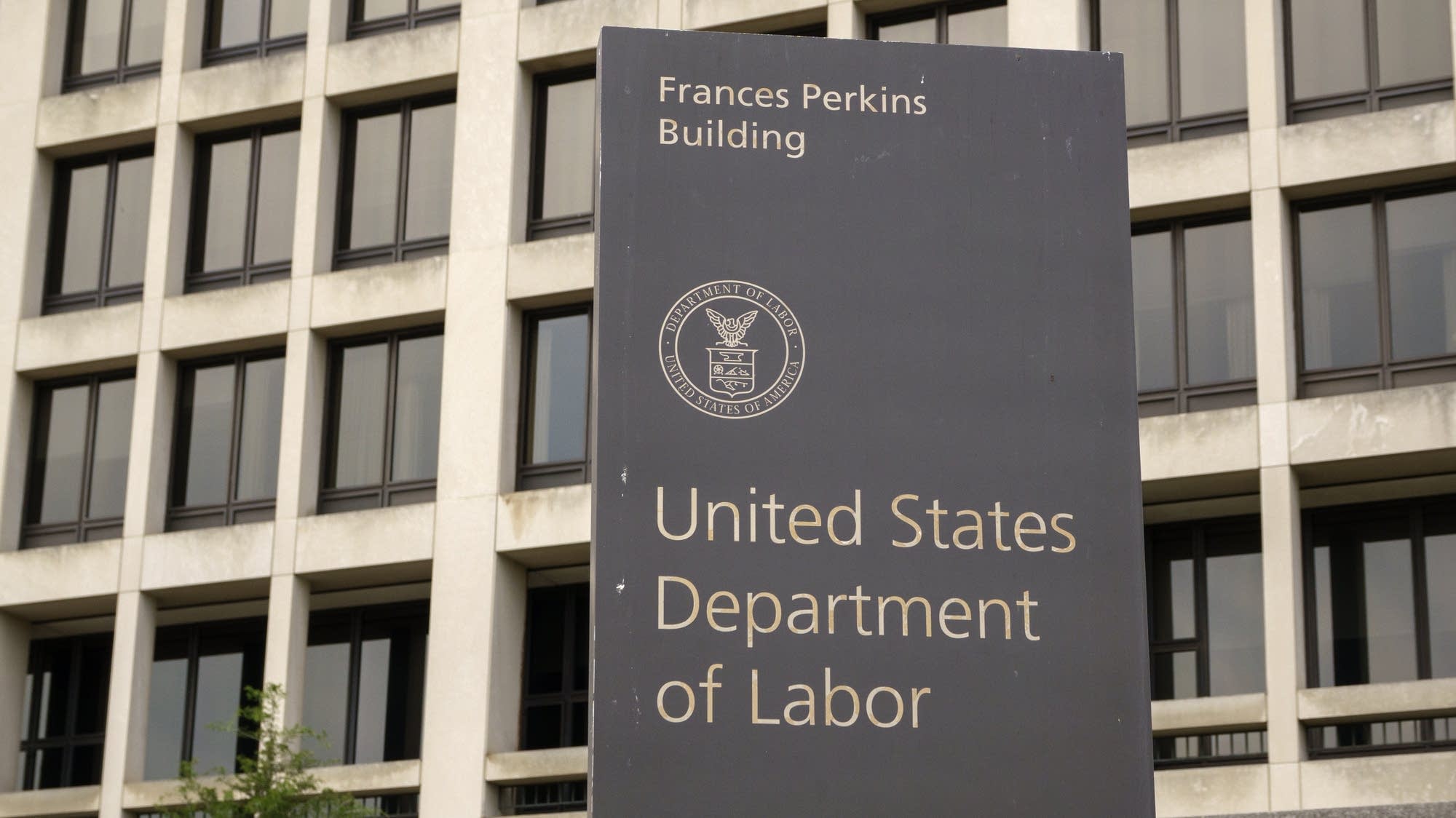
Global Worker Classification Standards Gig-worker classification is the legal process of determining whether individuals should be treated as employees, independent contractors, or other recognized worker categories based on actual working relationships. This varies significantly across jurisdictions and remains contentious.
Analysis
The most significant development this week is the continued fragmentation of the gig economy into tiered talent markets. Premium platforms like Fiverr Pro and Toptal are consolidating high-end work, while commission-free platforms like Jobbers.io are challenging the traditional fee model. Meanwhile, emerging markets like India show explosive growth in hyper-local and digital services—suggesting the gig economy is both maturing in developed markets and rapidly expanding in emerging ones. The key tension remains regulatory compliance: as classification rules tighten globally, platforms must balance worker protections against operational flexibility.
What to Watch
- Regulatory escalation: Enforcement of worker classification rules in Q4 2026 will directly impact how platforms structure their worker relationships
- Commission model disruption: Growth of 0% commission platforms may force established players to reconsider their fee structures
- India's regulatory framework: How local governments in India regulate the exploding gig sector will shape labor standards for emerging markets globally
Note: This article covers developments from October 3–5, 2026. Earlier platform comparisons and general gig economy statistics from previous weeks have been excluded to maintain freshness standards.
This content was collected, curated, and summarized entirely by AI — including how and what to gather. It may contain inaccuracies. Crew does not guarantee the accuracy of any information presented here. Always verify facts on your own before acting on them. Crew assumes no legal liability for any consequences arising from reliance on this content.
Powered by
