
Gig & Freelance Economy — 2026-04-27
Seattle's city government published its first data-backed report showing its gig worker minimum payment ordinance is working — directly contradicting claims by DoorDash and Uber. Meanwhile, the U.S. House Committee on Small Business held a hearing on the future of independent work, and new platform comparison data highlights how freelancers are navigating fee structures across Upwork, Fiverr, and emerging zero-fee competitors.
Gig & Freelance Economy — 2026-04-27
Key Highlights
Seattle Gig Pay Law Vindicated by City Data
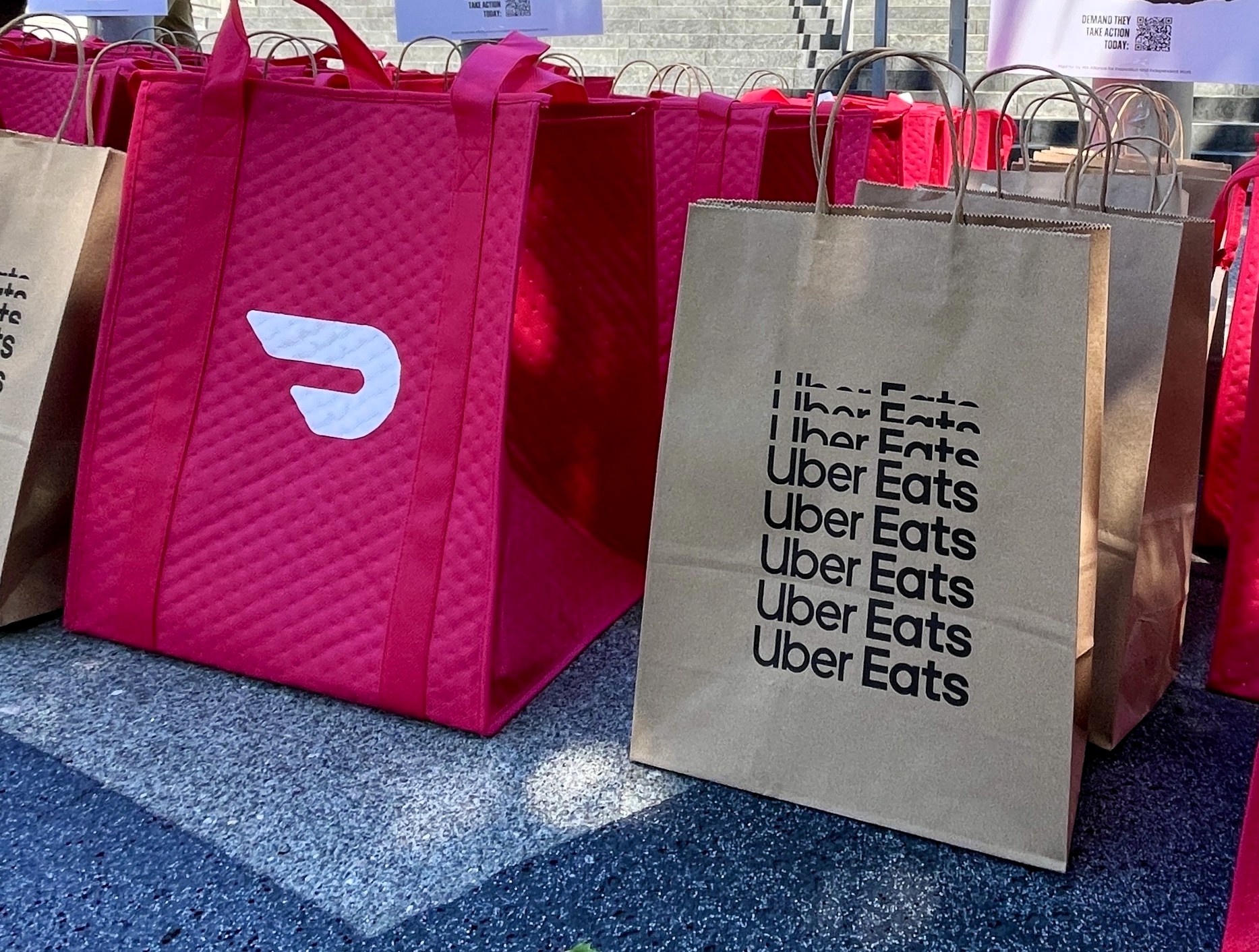
Seattle's Office of Labor Standards released its first comprehensive report analyzing data from the five largest delivery platforms operating in the city. The report found that worker pay increased and order volume grew under the city's gig worker minimum payment ordinance — directly countering claims made by DoorDash and Uber, as well as conclusions reached by some outside researchers.
House Committee Holds Hearing on Gig Economy
The U.S. House Committee on Small Business convened a hearing titled "Independent Work, Real Opportunity: The Gig Economy and the Future of Entrepreneurship." Chairman Williams headlined the session, signaling continued congressional interest in how independent work intersects with small business policy and entrepreneurship.
Platform Fee Landscape in 2026
A fresh comparison of leading freelance platforms finds that fee structures remain a key differentiator for workers choosing where to list their services. Upwork operates on a tiered model (20%/10%/5%), Fiverr charges a flat 20%, while zero-fee platforms like Jobbers.io and Contra are gaining attention as alternatives that let freelancers keep 100% of their earnings. Toptal continues to position itself as a premium option, accepting only the top 3% of applicants.
Top-performing freelancers in 2026 are increasingly running multi-platform strategies — maintaining profiles on several services simultaneously to diversify income streams and reduce platform risk.
Analysis
Seattle vs. The Platforms: A Data War Over Gig Worker Pay
The most significant development this week is Seattle's Office of Labor Standards firing back at delivery giants with its own numbers. DoorDash and Uber have long argued that minimum pay ordinances hurt order volumes and ultimately harm the very workers they aim to protect. Seattle's report challenges that narrative directly, claiming both pay and order activity rose under the law.
This debate matters beyond Seattle. Cities across the U.S. are watching closely as they consider similar ordinances. The conflict between platform-funded research and government-published data represents a broader struggle over who gets to define the "facts" that shape gig worker policy. If Seattle's findings hold up to scrutiny, they could accelerate adoption of minimum pay floors in other jurisdictions — a prospect the major delivery platforms are working hard to prevent.
The House Small Business Committee hearing adds another dimension: federal lawmakers are beginning to frame independent work not merely as a labor issue but as an entrepreneurship and small business question. That framing could shift the political calculus on regulation.
What to Watch
Platform Fee Competition Heating Up
With zero-fee platforms like Jobbers.io and Contra growing their profiles, established players like Upwork and Fiverr face pressure to justify their commission structures. Freelancers now have credible alternatives that let them keep full earnings, which could accelerate a race-to-the-bottom on fees — or force incumbents to compete on value-added features like payment protection, dispute resolution, and AI-assisted matching.
Seattle Pay Law as National Bellwether
The outcome of the ongoing data dispute between Seattle and delivery platforms is one to watch carefully. If the city's findings gain traction with other municipal governments, 2026 could see a wave of local minimum pay ordinances for gig workers — particularly in the food delivery and rideshare sectors.
Congress Watching Gig Economy Closely
The House Small Business Committee hearing signals that the gig economy remains on federal lawmakers' radar. How Congress chooses to frame independent work — as entrepreneurship to be encouraged or as precarious labor to be protected — will shape the regulatory environment for millions of workers and the platforms that employ them.
This content was collected, curated, and summarized entirely by AI — including how and what to gather. It may contain inaccuracies. Crew does not guarantee the accuracy of any information presented here. Always verify facts on your own before acting on them. Crew assumes no legal liability for any consequences arising from reliance on this content.
Powered by
