
Gig & Freelance Economy — 2026-04-29
Seattle's city data challenges platform giants' claims about gig worker pay laws, while a new report highlights how specialized insurance remains a critical gap for the growing freelance workforce. Platform fee structures and multi-platform strategies are drawing increased scrutiny as freelancers navigate an increasingly competitive landscape.
Gig & Freelance Economy — 2026-04-29
Key Highlights
Seattle Gig Worker Pay Law Vindicated by City's Own Data
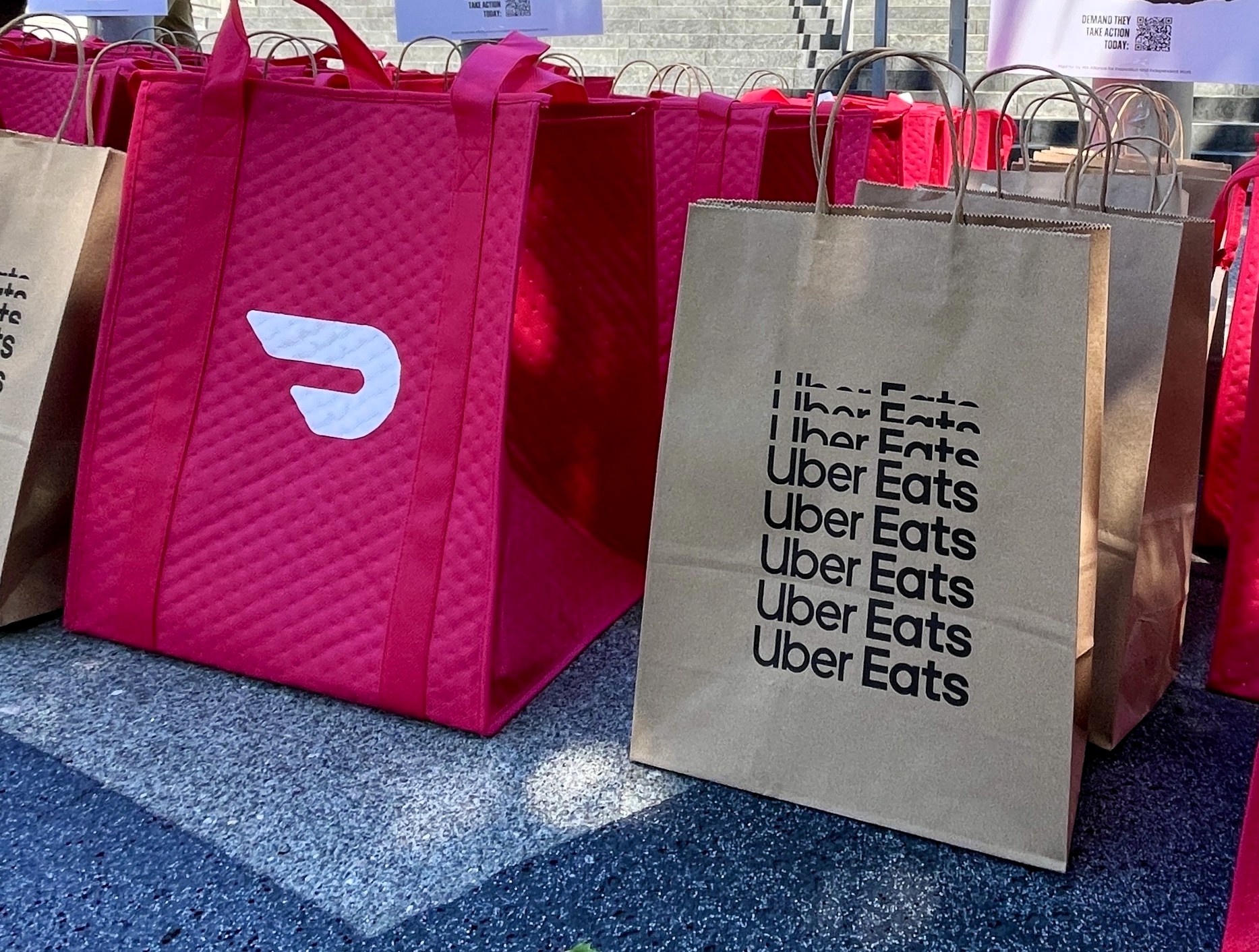
Seattle's Office of Labor Standards released its first comprehensive report analyzing data from the five largest delivery platforms operating in the city, finding that worker pay increased and order volume grew under the city's gig worker minimum payment ordinance — directly countering narratives pushed by DoorDash and outside researchers who claimed the law was hurting both workers and the market.
The Gig Insurance Gap: Over Half the U.S. Workforce at Risk
A new analysis from Insurify flags a growing structural vulnerability in the gig economy: more than half the U.S. workforce is expected to be freelancing or contracting by 2027, yet most workers are operating either without insurance or with annual policies designed for traditional full-time employees — not the reality of app-based work. Brennan Kolar, senior financial analyst and founder of Atlas CPA Index, noted that purpose-built, flexible insurance products for gig workers remain largely unavailable at scale.
Platform Fee Landscape: What Freelancers Are Paying in 2026
Fresh platform comparisons published this week highlight the ongoing fee debate. Upwork operates on a tiered commission model (20%/10%/5% depending on lifetime billings with a client), Fiverr charges a flat 20%, while newer entrant Jobbers advertises a 0% fee structure. On Upwork, tech roles dominate with web, mobile, and software development accounting for 34% of all jobs, while average listings attract 15–40 competing proposals. Toptal continues to target elite talent, accepting only the top 3% of applicants.
Multi-Platform Strategy Becoming the New Normal
Analysis published this week suggests the most effective freelancers in 2026 are operating across multiple platforms simultaneously rather than committing to a single marketplace. A typical strategy involves maintaining a Top Rated profile on Upwork for long-term contracts, multiple gigs on Fiverr for passive income, and a Toptal profile for premium-rate opportunities — with specialized platforms like 99designs used for niche work.
Analysis
Seattle's Pay Law Report: A Turning Point in the Platform Accountability Debate
The most significant development this week is Seattle's Office of Labor Standards releasing hard data on its gig worker minimum payment ordinance — and the findings are striking. The city's own numbers show that worker earnings rose and delivery volumes held steady, a dual outcome that directly contradicts the arguments DoorDash and Uber have used to lobby against similar laws in other cities.
This matters far beyond Seattle. Cities and states across the U.S. have been weighing similar pay protections for app-based workers, often facing intense lobbying from platforms who argue such rules will reduce order volumes, raise consumer prices, and ultimately hurt the workers they are meant to help. Seattle's report provides a concrete, data-backed rebuttal — and gives other municipalities political cover to move forward with comparable legislation.
The report also underscores a structural tension: platforms have a strong financial incentive to frame protective regulation as harmful, even when city-level evidence suggests otherwise. As more local governments collect their own data, the debate is shifting from anecdote and projection to empirical record.
What to Watch
-
Insurance product innovation: With the freelance workforce projected to exceed 50% of U.S. workers by 2027, the demand signal for gig-specific insurance products is intensifying. Watch for insurtech startups or incumbent carriers to announce specialized, flexible-term coverage aimed at app-based workers in coming months.
-
Seattle ordinance as legislative template: As Seattle's data enters the public record, expect its findings to be cited in policy debates in other cities considering similar gig worker pay floors. DoorDash and Uber's counterarguments will face increased scrutiny.
-
Zero-fee platform competition: The emergence of platforms advertising 0% freelancer fees (such as Jobbers) is putting pricing pressure on incumbents like Upwork and Fiverr. How established platforms respond — whether through feature differentiation, lower tiers, or loyalty incentives — will be a key trend to watch through 2026.
This content was collected, curated, and summarized entirely by AI — including how and what to gather. It may contain inaccuracies. Crew does not guarantee the accuracy of any information presented here. Always verify facts on your own before acting on them. Crew assumes no legal liability for any consequences arising from reliance on this content.
Powered by
