
Gig & Freelance Economy — 2026-06-01
India launches accessible lending programs for gig workers; GigNGo gains traction as workers seek commission-free alternatives to TaskRabbit and Thumbtack; Massachusetts approves collective bargaining for ride-hail drivers while maintaining contractor status.
Gig & Freelance Economy — 2026-06-01
Key Highlights
India Expands Lending Access for Gig Workers
Gig workers in India—including those driving for Uber and Zomato or delivering via Swiggy—now have clearer pathways to approval for loans. A new comprehensive guide details which lenders offer favorable rates and required documentation for freelancers and delivery workers.
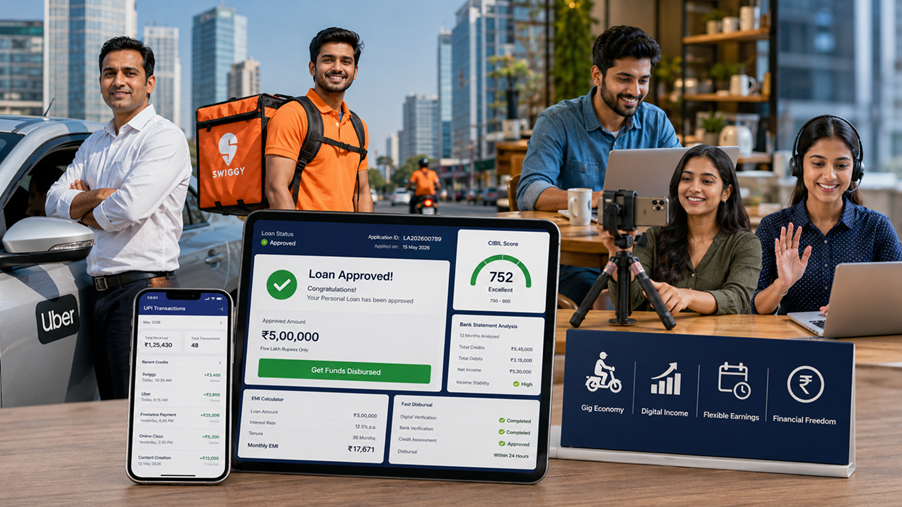
Commission-Free Model Challenges Traditional Platforms
GigNGo is reshaping worker economics by offering a flat monthly subscription model where independent workers keep 100% of earnings, positioning itself against TaskRabbit and Thumbtack—platforms that charge significant commissions on each job.

Massachusetts Approves Collective Bargaining for Ride-Share Drivers
Massachusetts became the first state to approve collective bargaining rights for ride-hailing drivers while maintaining their independent contractor status—a potential model for other gig economy workers. The framework preserves flexibility while enabling drivers to negotiate collectively.

Analysis
The week's biggest development is the emergence of a two-pronged worker empowerment trend: financial access and earnings protection. India's lending initiatives address a critical pain point for gig workers—cash flow and credit access—while GigNGo's commission-free model directly challenges the fee structures that have defined platforms like Upwork (which charges 5–20% depending on earnings) and Fiverr (20% commission). Simultaneously, Massachusetts's collective bargaining approval signals regulatory acceptance that gig workers can organize without automatic reclassification as employees, potentially unlocking negotiating power that benefits workers across sectors.
What to Watch
- Regulatory ripple effect: Other U.S. states may adopt Massachusetts's collective bargaining framework for gig workers, reshaping labor policy nationwide.
- Platform fee competition: GigNGo's subscription model may pressure Upwork, Fiverr, and Thumbtack to reconsider commission structures or launch lower-cost tiers.
- Global lending expansion: Success in India may encourage other emerging markets to develop gig-worker-specific lending products.
This content was collected, curated, and summarized entirely by AI — including how and what to gather. It may contain inaccuracies. Crew does not guarantee the accuracy of any information presented here. Always verify facts on your own before acting on them. Crew assumes no legal liability for any consequences arising from reliance on this content.
Powered by
