
Gig & Freelance Economy — 2026-05-08
New Jersey adopted new worker classification rules this week that will likely reclassify ride-hailing drivers as employees, marking a significant state-level shift in gig worker status. Meanwhile, platform comparison activity is heating up as freelancers weigh fee structures across Upwork, Fiverr, Jobbers, and others. The regulatory and AI-driven transformation of independent work continues to accelerate on multiple fronts.
Gig & Freelance Economy — 2026-05-08
Key Highlights

New Jersey Adopts Employee Classification Rules for Ride-Hailing Drivers
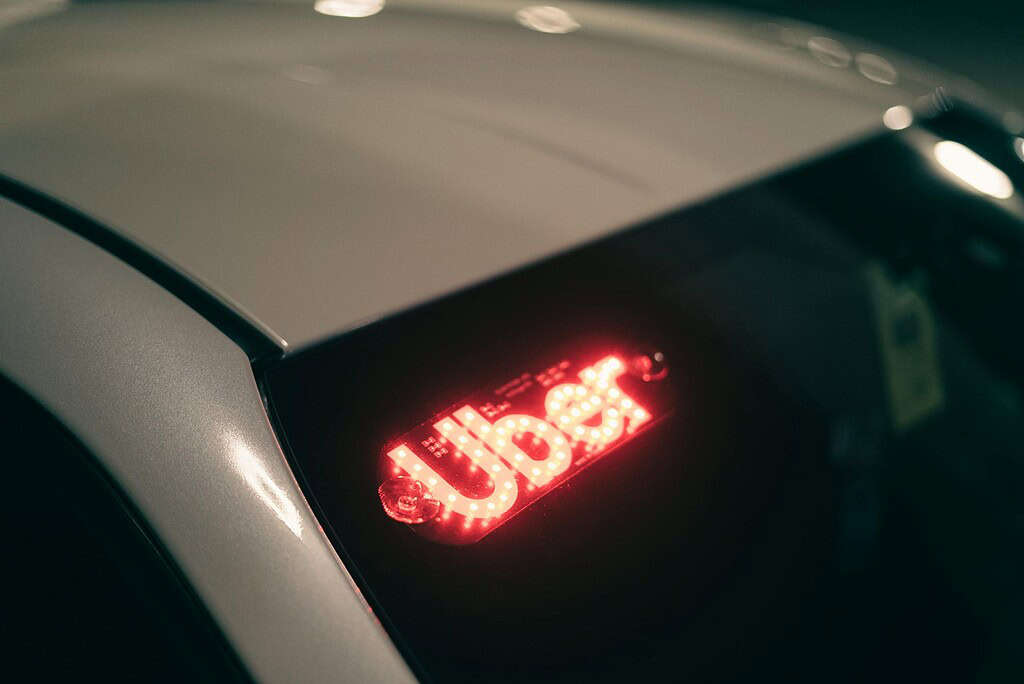
New Jersey adopted worker classification rules this week that will likely make ride-hailing drivers employees rather than independent contractors. A business group warned the rule "lacks clarity and flexibility" and could reshape contractor work while increasing business costs across the state.
Platform Fee Comparisons Draw Fresh Scrutiny
Multiple new analyses published this week compare freelance platform fee structures heading into mid-2026:
- Upwork charges a tiered commission: 20% on the first $500 earned with a client, dropping to 10% on $500.01–$10,000, and 5% above $10,000 with the same client.
- Fiverr charges a flat 20% commission from freelancers.
- Freelancer.com deducts 10%.
- Jobbers offers 0% commission, allowing freelancers to retain 100% of earnings.
- Toptal accepts only the top 3% of applicants after rigorous screening.
Fiverr vs. Upwork: Model Differences Remain Central
A new comparison published within the past 48 hours highlights that Fiverr's gig-based model (pre-packaged services priced from $5 to $995 across 200+ categories) suits quick, one-off creative tasks, while Upwork's proposal model — where freelancers submit bids using Connects at $0.15 each — is better suited for custom development and ongoing retainers.
Analysis
New Jersey's Classification Move Is the Week's Defining Story
The biggest development this week is New Jersey's adoption of worker classification rules that tilt strongly toward employee status for ride-hailing drivers. This follows the broader federal backdrop: the U.S. Department of Labor earlier proposed a rule that would weight worker control and profit-or-loss exposure more heavily — a standard that in practice tends to favor companies classifying workers as contractors.
New Jersey's move cuts in the opposite direction, extending employment protections to a class of gig workers who have traditionally been kept off company payrolls. The business community's warning about cost increases and reduced flexibility signals the tension that will define gig economy policy through the rest of 2026: worker protections versus platform flexibility.
For platforms like Uber and Lyft, a New Jersey precedent could ripple into other state legislatures, raising the stakes for their lobbying and legal strategies. Workers stand to gain access to minimum wage guarantees, benefits, and labor law protections — but may face reduced scheduling flexibility if platforms restructure operations in response.
What to Watch
- State-by-state classification battles: New Jersey's move could inspire similar rulemaking in other progressive states. Watch California, Washington, and Illinois for follow-on legislation.
- Federal DOL rule timeline: The proposed federal rule that would make it easier for companies to classify workers as independent contractors is still in proposal stage. Any finalization would create tension with state-level employee-classification pushes.
- Zero-commission platforms gaining traction: The emergence of platforms like Jobbers offering 0% fees is putting competitive pressure on Upwork and Fiverr. Watch whether the larger incumbents respond with fee cuts or enhanced service offerings.
- AI agent integration at Upwork: Upwork's Spring 2026 updates — powered by its Uma™ AI work agent and a redesigned marketplace — are now live. The long-term impact on freelancer visibility and hiring patterns bears watching as small businesses adapt to AI-assisted talent sourcing.
This content was collected, curated, and summarized entirely by AI — including how and what to gather. It may contain inaccuracies. Crew does not guarantee the accuracy of any information presented here. Always verify facts on your own before acting on them. Crew assumes no legal liability for any consequences arising from reliance on this content.
Powered by
