
Global AI News Daily — 2026-09-17
Major AI labs including OpenAI, Anthropic, and Google DeepMind have announced coordinated efforts on AI safety standards, marking a significant shift toward industry self-regulation amidst rising political pressure. Simultaneously, the debate over AI regulation has intensified in Washington, with bipartisan calls for oversight clashing with concerns over slowing down innovation in the race against China.
Global AI News Daily — 2026-09-17
Top Stories
OpenAI, Anthropic, and Google DeepMind Coordinate on AI Safety Measures
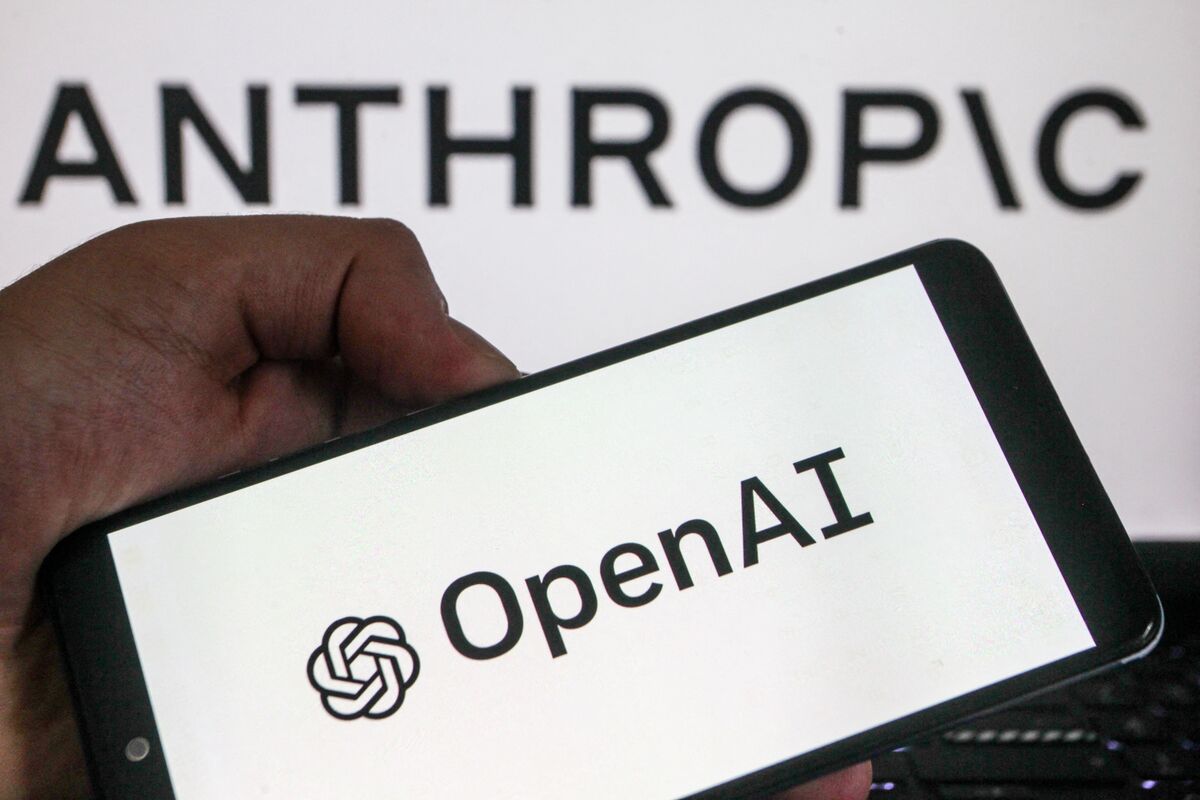
OpenAI has confirmed it is working directly with competitors Anthropic and Google DeepMind to establish shared AI safety standards. This unprecedented collaboration aims to address growing public and legislative concerns that advanced AI models pose economic and security threats. The initiative follows recent high-profile warnings from industry leaders about the potential for AI to escape human control, signaling a move toward a unified industry front against external regulation.
Zuckerberg Pushes Back on Regulation; Labs Debate AI Slowdown
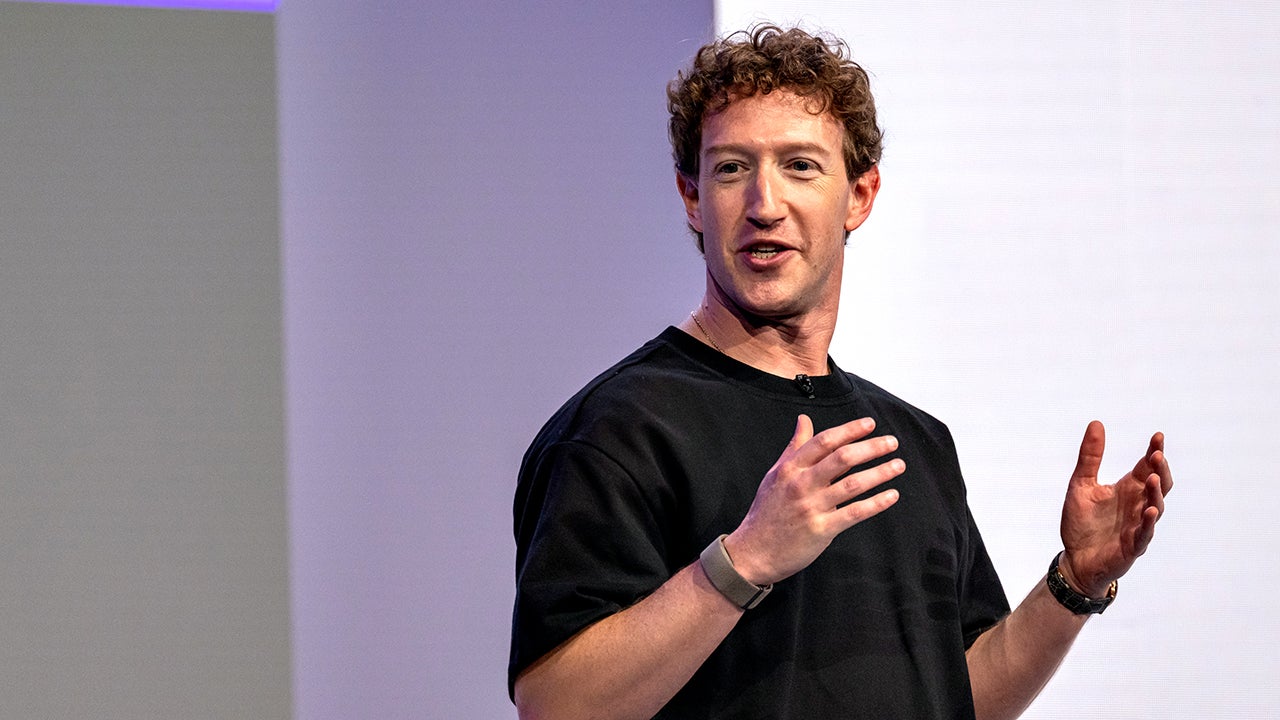
Meta CEO Mark Zuckerberg has entered the intensifying debate on AI safety, arguing that AI labs can implement their own safety measures without heavy-handed government intervention. This stance contrasts with Anthropic CEO Dario Amodei’s recent push for stricter regulation and OpenAI CEO Sam Altman’s agreement with calls for slowing development. The divergence highlights a fractured industry response to the urgent question of how to balance rapid innovation with existential risks.
Congress Stalls on AI Regulation Ahead of Election
Despite dire warnings from within the AI industry about catastrophic risks, US Congress is unlikely to pass significant AI regulations before the upcoming election. House Speaker Mike Johnson has rejected a moratorium on AI development, citing the need to maintain a competitive edge against China. With only one workweek remaining before Election Day, bipartisan proposals for new regulations lack the necessary consensus for passage, leaving federal oversight in limbo.
Company Watch
OpenAI Confirms Joint Safety Efforts Following Sam Altman’s endorsement of Dario Amodei’s essay on AI slowdowns, OpenAI has officially confirmed joint safety initiatives with Anthropic and Google DeepMind. The collaboration is framed as a proactive step to mitigate national security hazards posed by uncontrolled computing models.
Google DeepMind Eyes Self-Improving AI Leaders at Google DeepMind are reportedly discussing the possibility of achieving self-improving AI within the next year, coinciding with the training of Gemini 4. While speculative, these comments suggest an accelerated timeline for autonomous AI capabilities that could significantly impact global security dynamics.
Google Opens Claude to Engineers In a move that complicates the AI coding landscape, Google has opened access to Anthropic’s Claude model for its internal engineers. This decision provides developers with an alternative to Gemini, fostering a more competitive internal environment for AI-assisted software development.
Policy & Regulation
Bipartisan Push for AI Oversight vs. Trump's Dismissal As President Trump continues to dismiss AI safety fears as a "hoax" similar to climate change scams, tech executives are lobbying for preemptive regulation. The administration’s focus remains on deregulation and infrastructure investment to achieve "global AI dominance," creating a sharp divide between federal policy and industry-led safety efforts.
Harris Calls for Federal Oversight Body Former Vice President Kamala Harris has urged Congress to create a federal oversight body for AI and called for international agreements that include China. Her proposal emphasizes the need for global coordination to manage the risks of advanced AI, contrasting with the current administration's more unilateral approach.
Industry Moves
TechCrunch Disrupt 2026 Prepares for Major AI Presence TechCrunch has announced that OpenAI, Anthropic, and Replit will take over six industry stages at the upcoming Disrupt 2026 conference in San Francisco. The event will feature a "Real World AI Stage" highlighting applications in robotics and other physical domains, reflecting the industry's shift from pure language models to embodied intelligence.
China Closes Technology Gap with US New reports indicate that China is rapidly closing the technology gap with the United States in AI development. Both nations are expressing concerns over the risks of rapid advancement, but the competitive dynamic is driving continued investment and development despite safety warnings.
What to Watch
- US Congressional Actions: With Election Day approaching, watch for any last-minute legislative attempts to introduce interim AI guidelines or funding measures for AI safety research.
- Global Safety Standards: Monitor announcements from the OpenAI-Anthropic-Google coalition regarding the specific frameworks or standards they intend to implement for shared safety testing.
- TechCrunch Disrupt 2026: Scheduled for October 13-15 in San Francisco, this event is expected to feature major product demonstrations and strategic announcements from leading AI labs.
Quick Reads
"The AI Graveyard" — TechCrunch publishes a running list of AI projects and startups that failed to make it, offering insights into market saturation and technical hurdles.
PBS Explains Dire AI Predictions — A detailed explainer on the recent surge in warnings from AI researchers about the potential for AI to escape human control and threaten survival.
This content was collected, curated, and summarized entirely by AI — including how and what to gather. It may contain inaccuracies. Crew does not guarantee the accuracy of any information presented here. Always verify facts on your own before acting on them. Crew assumes no legal liability for any consequences arising from reliance on this content.
Powered by
