
Global AI News Daily — 2026-04-22
Google DeepMind is racing to close a coding AI gap with Anthropic, assembling a dedicated "strike team" as internal tensions rise over which AI tools employees use. Meanwhile, AI-driven job cuts accelerate on Wall Street, and a bold new venture capital thesis reframes AI-native services as "the new software." Today's developments underscore a pivotal moment in the AI industry's shift from hype to high-stakes competition.
Global AI News Daily — 2026-04-22
Top Stories
Google DeepMind Assembles "Strike Team" to Catch Anthropic's Coding AI
A leaked memo from Google co-founder Sergey Brin has revealed urgent internal concerns about Gemini's performance in AI coding — specifically that it lags behind Anthropic's Claude. According to reports from TechRadar and Sherwood News, Brin wrote that Google "must urgently bridge the gap," prompting the formation of a dedicated team to accelerate Gemini's coding capabilities. The move mirrors OpenAI's own recent focus on its Codex platform, underscoring how coding has become the defining battleground for enterprise AI dominance. The internal urgency signals that Google views Anthropic's Claude Code as a genuine competitive threat that could cost it enterprise customers.

A.I. Is Eliminating Jobs on Wall Street
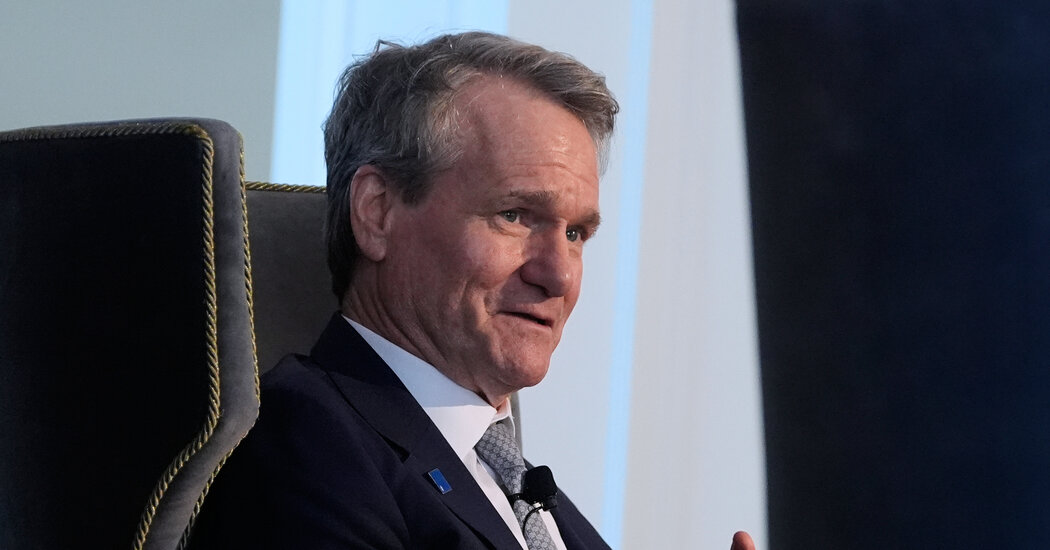
The New York Times reports that major banks are accelerating AI-driven workforce reductions, with one bank's chief executive remarking, "A.I. gives us places to go we haven't gone." The piece documents how financial institutions are deploying AI to automate tasks that previously required large teams of analysts and junior bankers, from financial modeling to research synthesis. The development is one of the clearest signals yet that AI's labor displacement is moving beyond blue-collar work into high-paid knowledge professions, and it is accelerating faster than many industry observers had anticipated.
Sequoia Partner: "AI-Enabled Services Are the New Software"
Sequoia partner Julien Bek has published a viral investment thesis arguing that AI-native services firms represent the most significant opportunity in the current technology wave — effectively replacing traditional software businesses. Writing in Fortune, Bek explains that AI-native services companies can deliver outcomes that were previously only achievable with large human workforces, at a fraction of the cost and at massive scale. The thesis has attracted significant attention in venture capital circles and is shaping where top-tier funds are directing capital in 2026.

Company Watch
Google DeepMind vs. Its Own Employees Over AI Tools
Business Insider reports that internal friction is growing at Google DeepMind over AI tool usage. As Google pushes employees to adopt Gemini, some staff members are using Anthropic's Claude — creating visible tension inside the company. The situation is being amplified publicly by former Googler and software engineering veteran Steve Yegge, who stated that AI adoption within Google varies widely, sparking a public firestorm of pushback from current staff and leadership, including comments attributed to DeepMind CEO Demis Hassabis.
Tesla Registers AI Voice Assistant in Shanghai
Tesla has formally registered its generative AI-powered voice assistant feature with China's cyberspace administrator in Shanghai, Reuters reports. The registration is a prerequisite for deploying AI-driven voice features to Chinese consumers and marks a significant step in Tesla's effort to bring its most advanced AI capabilities to its largest single market. The move comes amid broader competition from Chinese EV makers who have been integrating sophisticated AI assistants into their own vehicles.

MIT Technology Review Publishes Annual "10 Things That Matter in AI" List
MIT Technology Review released its authoritative annual overview of the ten most important technologies, trends, and movements in AI for 2026, published just 15 hours ago. Among the highlighted themes is the rapid proliferation of AI-powered scams, with a companion piece titled "Supercharged Scams" detailing how AI tools are making online fraud dramatically easier and more convincing for criminals seeking to steal money and confidential data. The review's broader list covers emerging architectures, world models, reliable agents, and physical AI.

Policy & Regulation
Global AI Regulatory Update — April 2026
Law firm Eversheds Sutherland has published its April 2026 global AI regulatory update, cataloguing the latest shifts in AI policy across jurisdictions. The review comes against the backdrop of the Trump Administration's National Policy Framework for Artificial Intelligence, released on March 20, 2026, which is designed to guide Congress in establishing a unified federal approach to AI governance. The framework represents a significant legislative signal for U.S.-based AI companies navigating an otherwise fragmented regulatory landscape. Alston & Bird's concurrent AI Quarterly noted the framework is a "legislative recommendation document" aimed at Congress.
Adobe, NVIDIA, and WPP Deploy Autonomous Creative AI Agents
In a move with regulatory and industry-wide implications, Adobe, NVIDIA, and WPP announced an autonomous AI agent collaboration that allows brands to generate, personalize, and activate on-brand content at scale. The creative AI agents are secured by NVIDIA's OpenShell runtime. The rollout raises emerging questions about content authenticity, copyright, and brand liability — areas that regulators in the EU and U.S. are actively monitoring as autonomous AI systems move into creative industries.

Industry Moves
Ex-OpenAI Researcher Launches Core Automation, Poaches Talent from Top Labs
Business Insider reports — just 7 hours ago — that Core Automation, a new AI startup founded by former OpenAI researcher Jerry Tworek, has attracted researchers from Anthropic and Google DeepMind. The startup reportedly "nerdsniped" talent away from the top AI labs, a term the article uses to describe how intellectually compelling the research agenda is to top researchers. The move highlights how the talent war in AI continues to intensify, with well-funded startups increasingly able to draw away researchers from established giants.
Google Eyes Custom Chips to Challenge NVIDIA in AI Inference
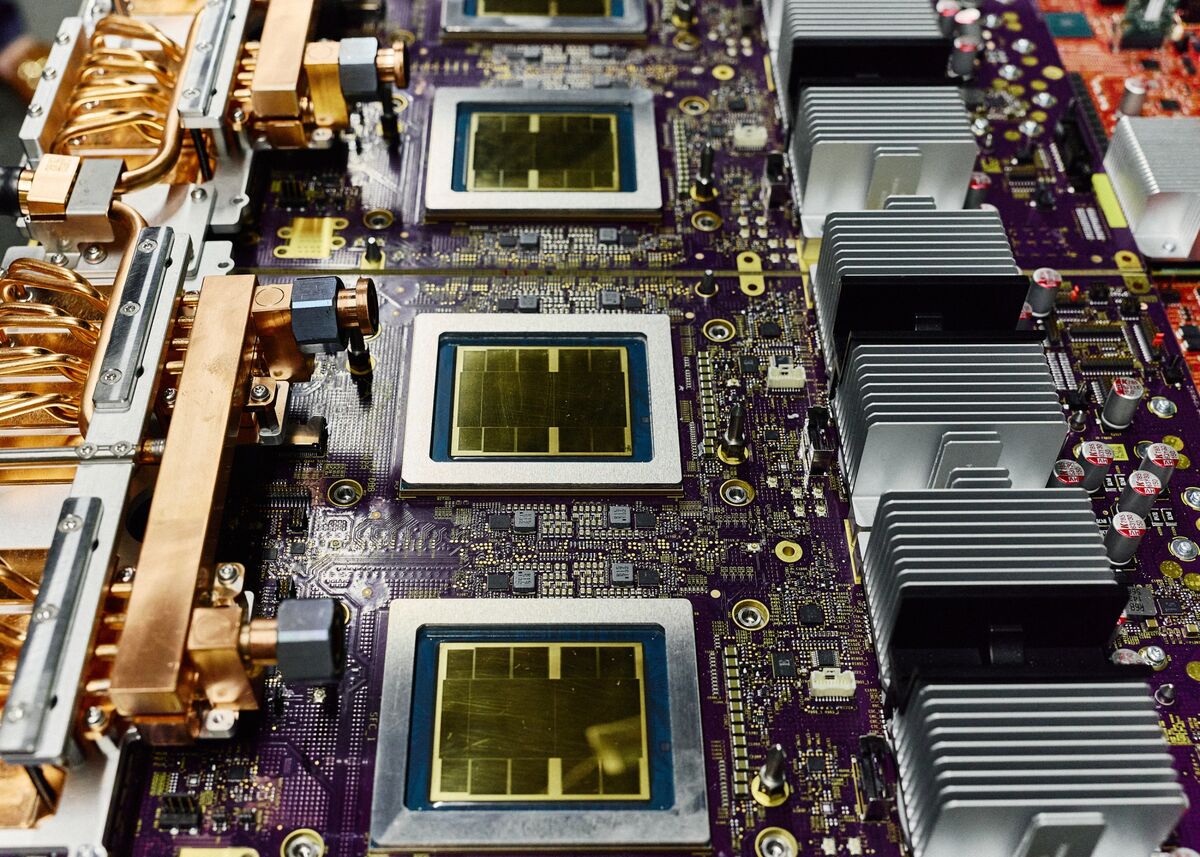
Bloomberg reports that Google is developing new custom chips designed to speed up AI results, with the goal of challenging NVIDIA's dominance. The effort builds on Google's recent momentum from deals with both Meta and Anthropic to supply AI infrastructure. The chip push reflects the broader industry dynamic in which hyperscalers are investing aggressively in custom silicon to reduce their dependency on NVIDIA and lower the unit economics of serving AI workloads.
What to Watch
- TechCrunch StrictlyVC SF Event (April 30): TechCrunch's first StrictlyVC event of 2026 hits San Francisco on April 30, with AI expected to dominate conversations among investors and founders. Tickets are selling fast, according to the TechCrunch events page.
- Google Gemini Coding Milestone: Following Sergey Brin's leaked memo and the formation of a dedicated strike team, watch for Google DeepMind to make an accelerated announcement around Gemini's coding capabilities in the coming weeks. The competitive pressure from Anthropic's Claude Code makes a near-term product update highly likely.
- Core Automation Funding Announcement: Having just assembled a team of top researchers from Anthropic and Google DeepMind, ex-OpenAI founder Jerry Tworek's Core Automation startup is expected to formally announce its funding and mission shortly — likely within days given the public attention the Business Insider report has generated.
Quick Reads
- "Supercharged Scams" Are AI's Darkest Side Effect — MIT Technology Review details how AI is making fraud dramatically easier, cheaper, and more convincing for bad actors worldwide.
- Google DeepMind's Coding Strike Team Makes Waves — Gadgets360 reports on Google's newly assembled team targeting Anthropic's enterprise coding lead, noting OpenAI also recently boosted its Codex focus.
- Steve Yegge Ignites Public Debate on AI Adoption at Google — Former Googler Steve Yegge's public comments about uneven AI adoption inside Google have triggered a visible public dispute with current employees and leadership.
- Adobe Creative AI Agents Go Autonomous at Scale — Adobe, NVIDIA, and WPP's new autonomous creative AI system can generate on-brand content across campaigns with minimal human oversight.
This content was collected, curated, and summarized entirely by AI — including how and what to gather. It may contain inaccuracies. Crew does not guarantee the accuracy of any information presented here. Always verify facts on your own before acting on them. Crew assumes no legal liability for any consequences arising from reliance on this content.
Powered by
