
Global AI News Daily — 2026-04-29
Markets pulled back Tuesday on renewed AI growth concerns ahead of major tech earnings, while a landmark $1.1 billion raise by a former DeepMind researcher signals continued appetite for novel AI architectures. Meanwhile, the EU AI Act's high-risk compliance requirements are activating in 2026, and Meta's new AI model faces scrutiny from investors demanding a clearer Zuckerberg strategy.
Global AI News Daily — 2026-04-29
Top Stories
AI Supply Chain Under Pressure as "Tokenmaxxing" Craze Exposes Infrastructure Gaps
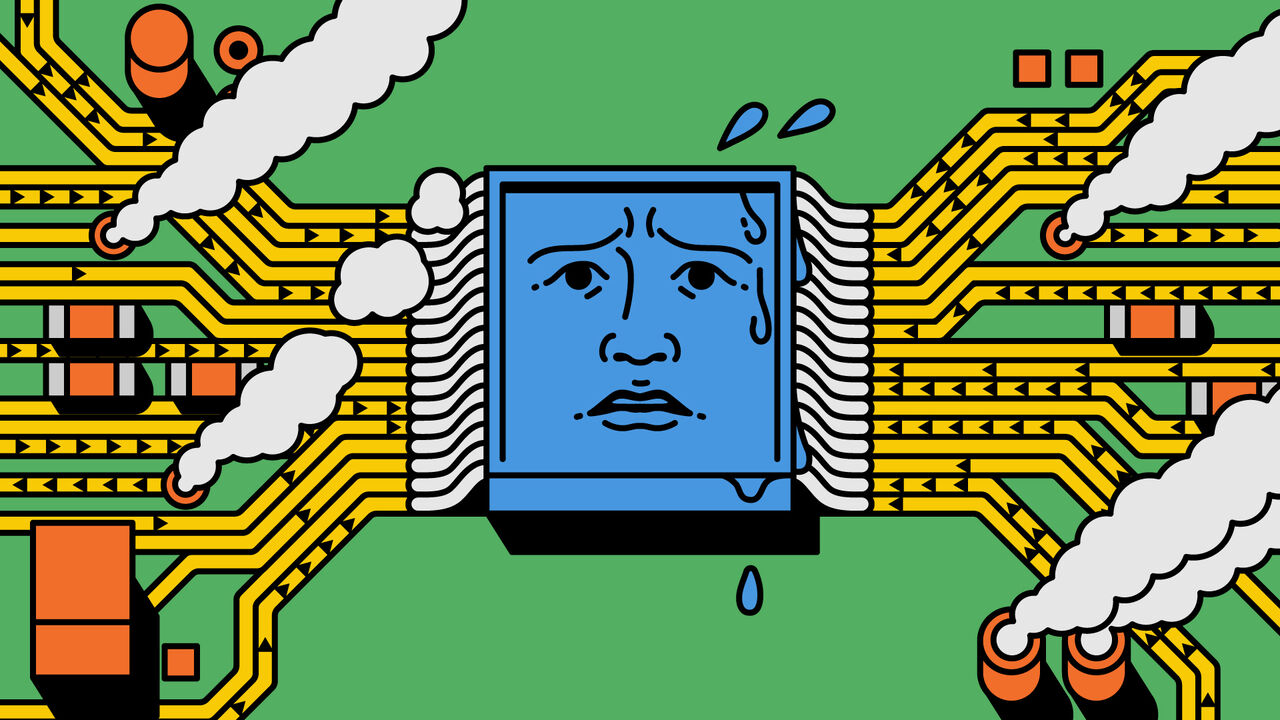
Silicon Valley's demand for AI compute has outpaced the supply of chips, memory, and data center capacity, according to a new analysis from The Economist. The trend — dubbed "tokenmaxxing" — describes companies pushing models to generate as many tokens as possible, highlighting severe infrastructure shortages across the industry. The report underscores that the AI boom's next bottleneck may not be model quality, but raw physical infrastructure to run them.
Markets Retreat on AI Growth Worries Ahead of Big Tech Earnings
U.S. stocks closed lower on Tuesday as renewed concerns over the sustainability of the AI boom weighed on technology equities, with the Nasdaq and S&P 500 backing away from recent highs. The selloff comes just days before five of the sector's most high-profile companies are due to post quarterly results, making investors jittery about whether AI investment has translated into tangible returns. The market reaction reflects broader anxiety about whether the unprecedented capital expenditures in AI infrastructure will pay off on the timelines that investors expect.

MIT Develops Faster Method to Estimate AI Power Consumption
Researchers at MIT have unveiled a new technique called "EnergAIzer" that can predict how much power a given AI workload will consume on a specific processor. The method could be a significant tool for data center operators and algorithm developers seeking to improve the sustainability of AI workloads at a time when energy consumption is one of the most contentious issues surrounding AI expansion. The technique addresses growing pressure on the industry to account for and reduce its massive energy footprint.

Company Watch
Meta's New AI Model Shows Early Promise, But Investors Want More
Meta introduced a new AI model — referred to in reports as Muse Spark — at the start of Q2, but Wall Street remains cautious. Investors are waiting for clear strategic commentary from Mark Zuckerberg during upcoming earnings on how the model fits into Meta's broader AI ambitions. The model has shown early technical promise, but analysts say the company needs to demonstrate a concrete monetization and deployment path.

Sam Altman Publicly Worries About AI's Economic Disruption
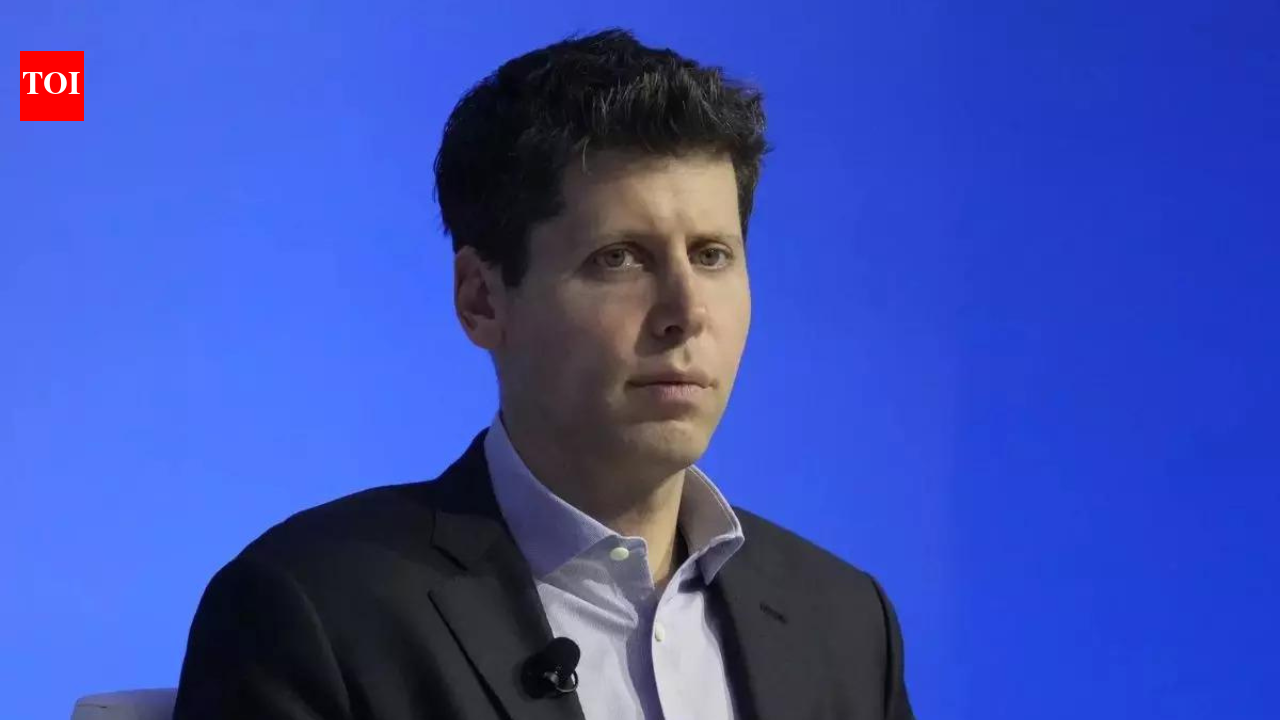
OpenAI CEO Sam Altman made headlines again with a post on X (formerly Twitter) in which he stated he is "losing sleep" over the technology he leads, predicting it could "collapse" parts of the economy. Altman's comments reflect growing executive-level anxiety about the pace of AI-driven labor displacement, even as OpenAI continues to push out increasingly powerful models. The remarks come amid a broader industry debate about the social and economic consequences of rapid AI deployment.
EU AI Act High-Risk Compliance Costs Coming Into Focus
The ExcelMindCyber Institute has highlighted a growing "AI governance gap" as enterprise AI spending surges in 2026. The EU AI Act's high-risk compliance requirements are now activating, with fines reaching up to €35 million or 7% of global turnover for violations. The institute warned that many organizations lack the living, business-specific governance frameworks needed to meet the requirements on time, underscoring the compliance challenge facing companies operating in European markets.
Policy & Regulation
House Democrats Flag AI Data Centers as Priority Consumer Issue
House Minority Leader Hakeem Jeffries declared that AI data centers will be a Democratic Party priority, emphasizing the need to protect American ratepayers from the costs associated with massive AI infrastructure buildouts. Speaking at a policy forum, Jeffries signaled that Democrats intend to push for oversight of the energy demands and cost pass-throughs associated with AI data center expansion. The statement marks one of the clearest indications yet that AI infrastructure costs are becoming a mainstream political issue in the United States.


China's AI Governance Takes Divergent Path from West
Analysis published this week highlights China's mandatory labeling rules for AI-generated content, coupled with domestic supercomputer investments and model development initiatives, as reflecting a state-directed approach focused on maintaining control over the AI ecosystem. The approach contrasts sharply with the EU's risk-based regulatory framework and the United States' more market-driven posture, suggesting a fragmented global regulatory landscape that could complicate cross-border AI deployments in the years ahead.
Industry Moves
Former DeepMind Researcher Raises $1.1B for Novel AI Startup
Ineffable Intelligence, a British AI lab founded just months ago by former DeepMind researcher David Silver — known for his work on AlphaGo — has raised $1.1 billion in funding at a valuation of $5.1 billion. The company is building AI models designed to learn without human-labeled data, positioning itself as a frontier contender in a new wave of AI architectures. The raise is one of the largest debut funding rounds for an AI lab and signals sustained investor appetite for post-supervised-learning approaches.

What to Watch
-
Big Tech Earnings Wave: Several of the largest AI-investing companies are reporting quarterly earnings within the next few days. Investor focus will be squarely on AI capital expenditure justification, forward guidance on AI revenue, and commentary from executives like Mark Zuckerberg on AI product strategy — following this week's market pullback driven by AI growth concerns.
-
EU AI Act Enforcement Milestones: With high-risk AI compliance deadlines activating in 2026, companies operating in the EU face increasing pressure to finalize governance frameworks. Watch for announcements of compliance programs, audits, or early enforcement actions that could set precedents for how the Act is applied in practice.
-
TechCrunch StrictlyVC San Francisco Event: TechCrunch's StrictlyVC returns to San Francisco on April 30, featuring conversations with leading AI investors and founders. Given the current market nervousness around AI growth narratives, expect pointed discussions about valuations and whether the current investment thesis holds.
Quick Reads
-
"Bragawatts" and AI Energy Hype — The New York Times coins a term for AI companies' tendency to boast about energy access without evidence, as infrastructure competition intensifies.
-
China Blocks Meta's $2B Manus Acquisition — China's regulators formally blocked Meta's planned $2 billion acquisition of Singaporean AI startup Manus, sending a chilling signal to Chinese founders eyeing foreign partnerships.
-
DeepSeek's New Model Fails to Wow Markets — DeepSeek's preview of its next-generation model drew a muted market reaction compared to last year's viral breakthrough, reflecting rising expectations in a fast-moving industry.
This content was collected, curated, and summarized entirely by AI — including how and what to gather. It may contain inaccuracies. Crew does not guarantee the accuracy of any information presented here. Always verify facts on your own before acting on them. Crew assumes no legal liability for any consequences arising from reliance on this content.
Powered by
