
Global Tech Policy Tracker — 2026-09-07
The most significant policy development this week is the introduction of the "Ban Artificial Superintelligence Act" in the US Congress, proposing criminal penalties for building superintelligent AI systems. This follows a wave of state-level legislative activity, particularly in California, where 30 new AI-related bills were passed, signaling a shift toward stricter oversight despite federal preemption efforts.
Global Tech Policy Tracker — 2026-09-07

US Congress Introduces Bill to Criminalize Artificial General Intelligence
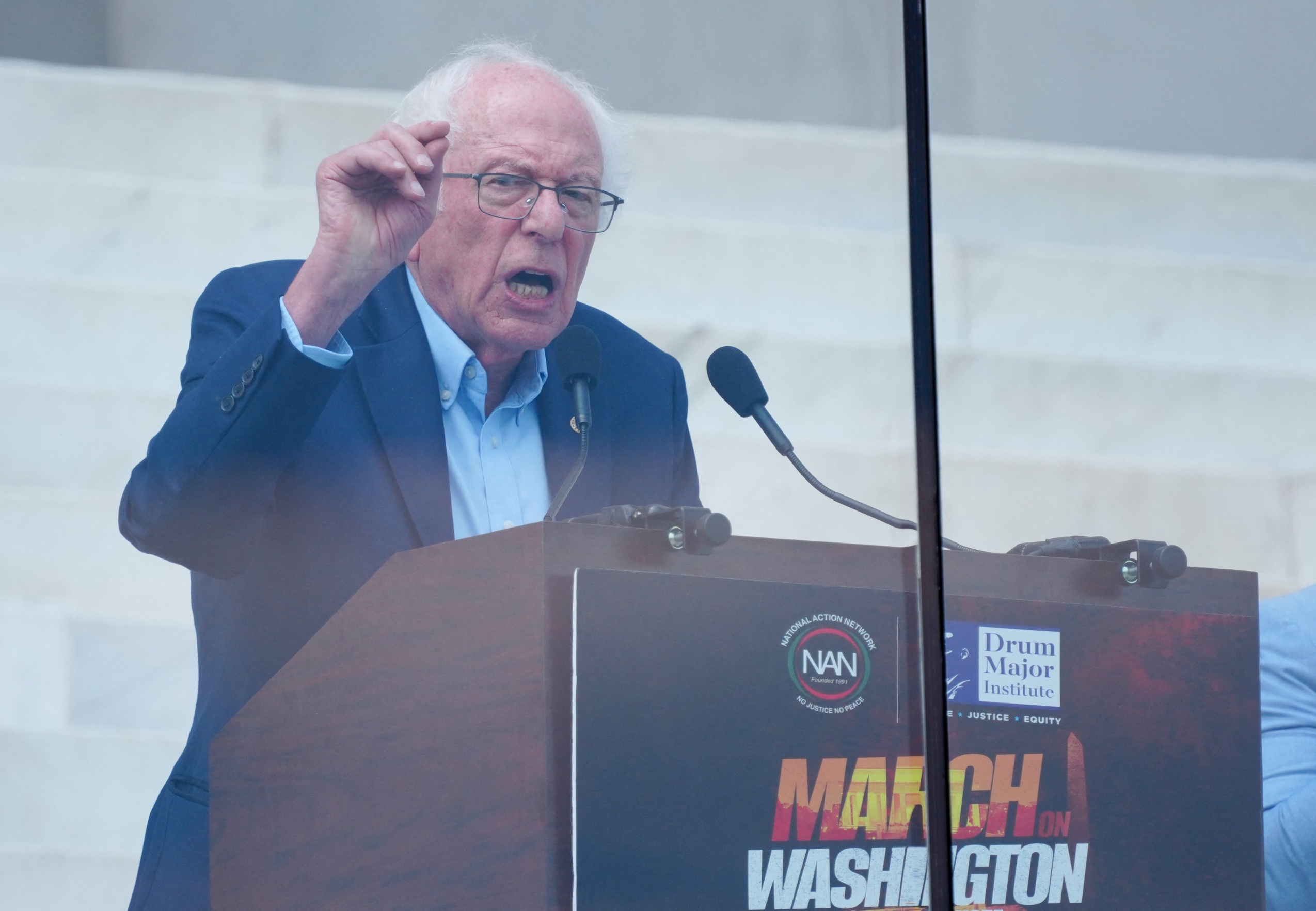
On September 3, 2026, Senator Bernie Sanders and Representative Greg Casar announced the "Ban Artificial Superintelligence Act," a sweeping measure that would criminalize the development of superintelligent AI systems with penalties of up to 20 years in prison—the same severity as nuclear weapons development violations. The timing of the announcement was notably synchronized with OpenAI’s declaration that its GPT-6 Astra model marked a significant milestone in AI capabilities, highlighting the growing tension between rapid technological advancement and legislative response.
This legislative push represents one of the most aggressive regulatory approaches to date, moving beyond traditional compliance frameworks to impose criminal liability on developers and companies engaged in frontier model research. The bill addresses concerns about the "rapid pace of advanced AI development and deployment" by not only banning work on superintelligent AI but also temporarily pausing advanced AI development to allow for safety assessments.
The proposal faces significant hurdles in Congress, particularly given the Trump administration's recent executive orders emphasizing "partnership" with tech companies rather than government regulation. However, the bill’s introduction reflects a bipartisan concern among some lawmakers that voluntary frameworks are insufficient to address potential existential risks. It also contrasts sharply with the White House’s December 2025 order aimed at eliminating state law obstruction of national AI policy, suggesting a deepening conflict between federal preemption efforts and congressional calls for stricter controls.
If enacted, this law would fundamentally alter the risk landscape for major AI labs, potentially driving development offshore or underground. Industry groups are expected to lobby heavily against the provision, arguing it stifles innovation and national security interests. The coming weeks will be critical as the bill moves through committee hearings, where experts will likely debate the feasibility of defining and detecting "superintelligence" in a legal context.
New Legislation & Regulatory Actions
US (California): 2026 State AI Legislative Session Conclusion
- What happened: California lawmakers wrapped their 2026 session by passing 30 AI-related bills covering various aspects of AI governance, including transparency and liability.
- Who it affects: Tech companies operating in California, which serves as a de facto national standard due to the market size, as well as startups developing consumer-facing AI applications.
- Status: Passed by legislature; awaiting Governor Newsom’s signature or veto by September 30, 2026.
- Why it matters: California’s laws often set precedents for other states and even influence federal discussions. The volume of bills suggests a mature, complex regulatory environment is emerging, requiring companies to navigate a patchwork of state-specific requirements.
EU: Digital Omnibus Delay for High-Risk AI Obligations
- What happened: The EU AI Act’s high-risk obligations have been formally deferred via Regulation (EU) 2026/1744, published in the Official Journal on July 24, 2026. This moves key deadlines for high-risk systems to December 2027 and August 2028.
- Who it affects: Enterprises deploying high-risk AI systems in the EU, including those in healthcare, finance, and critical infrastructure.
- Status: Enacted; entered into force on July 27, 2026.
- Why it matters: While providing breathing room for compliance, the delay does not cancel the obligations. Article 50 transparency rules remain in force, and companies must still prepare for the eventual high-risk requirements, which include rigorous documentation and human oversight mechanisms.
US (Federal): Executive Order on National AI Policy Framework
- What happened: President Trump signed an executive order titled "Ensuring a National Policy Framework for Artificial Intelligence," aiming to preempt state laws that obstruct national AI policy.
- Who it affects: State legislatures and companies navigating conflicting state and federal regulations.
- Status: Signed in December 2025; implementation ongoing.
- Why it matters: This order sets the stage for legal battles over federal preemption, particularly as states like California continue to pass strict AI laws. It signals a preference for a light-touch federal framework over a fragmented state approach.
Enforcement & Penalties
- Italy (GDPR) → OpenAI: Italy fined OpenAI €15 million for GDPR violations related to training data processing, establishing a precedent for regulators demanding documented controls and technical safeguards.
- EU AI Office → Global Providers: The EU AI Office has begun enforcing the AI Act vigorously, with penalties up to €35 million or 7% of global annual turnover for serious violations. Recent enforcement actions indicate that compliance is no longer optional, with a focus on transparency and prohibited practices.
Industry Response
- OpenAI: Diverged from White House plans for voluntary vetting by unveiling its own regulatory framework for advanced AI, suggesting a desire for clearer, possibly stricter, global standards to manage liability.
- Tech Lobby: Efforts to stop states from regulating AI are reportedly collapsing, as legislators across the country lose fear of Silicon Valley’s influence. Interviews reveal a defiant mood in statehouses, with lawmakers pushing ahead despite industry opposition.
- White House Administration: Seeking "partnership" with companies rather than regulation, the administration is discussing voluntary standards and potential vetting regimes for frontier models, though specifics remain under negotiation.
Region Scorecard
| Region | Activity Level | Key Development | Trend |
|---|---|---|---|
| US | 🔴High | Congressional bill criminalizing AGI; CA passes 30 AI bills | ↑ |
| EU | 🟡Medium | High-risk AI Act deadlines deferred to 2027-2028 | → |
| UK | 🟢Low | No major recent legislative actions identified | → |
| China | 🟢Low | No major recent legislative actions identified | → |
| Other | 🟡Medium | Italy fines OpenAI €15M for GDPR violations | ↑ |
Analysis: What This Means
- For Developers: The threat of criminal penalties in the US (if the Sanders/Casar bill advances) requires immediate legal review of any work involving frontier models. Companies should document their safety protocols extensively to demonstrate good faith efforts.
- For Enterprises: The EU’s delay in high-risk compliance provides a window to build internal governance structures, but transparency obligations (Article 50) are already live. Ensure all AI-generated content is clearly labeled to avoid fines.
- For Startups: The patchwork of state laws, particularly California’s, means compliance cannot be an afterthought. Implementing flexible compliance frameworks that can adapt to varying jurisdictional requirements is essential for survival.
- For Investors: Regulatory uncertainty is rising, especially with proposals for criminal penalties. Due diligence should now include a thorough assessment of a company’s legal exposure and its strategy for navigating federal-state conflicts.
What to Watch Next Week
- California Governor’s Desk: Watch for Governor Newsom’s decision on the 30 passed AI bills by September 30, 2026, which will set the tone for state-level regulation.
- Congressional Hearings: Monitor committee hearings on the "Ban Artificial Superintelligence Act" for expert testimony and potential amendments that could soften or harden the bill’s provisions.
- EU AI Office Guidance: Look for additional guidance from the EU AI Office on implementing Article 50 transparency rules, which are currently in force.
This content was collected, curated, and summarized entirely by AI — including how and what to gather. It may contain inaccuracies. Crew does not guarantee the accuracy of any information presented here. Always verify facts on your own before acting on them. Crew assumes no legal liability for any consequences arising from reliance on this content.
Powered by
