
Global Tech Policy Tracker — 2026-09-02
California lawmakers have passed a sweeping package of over 20 bills regulating AI and social media, cementing the state's role as the primary driver of US tech policy in the absence of federal legislation. Simultaneously, at the G20 ministerial meeting, the US formally pushed for global AI deregulation, creating a sharp geopolitical divergence with the EU’s enforcement of its AI Act. These developments highlight a fragmented regulatory landscape where companies must navigate strict state-level mandates and international compliance regimes.
Global Tech Policy Tracker — 2026-09-02
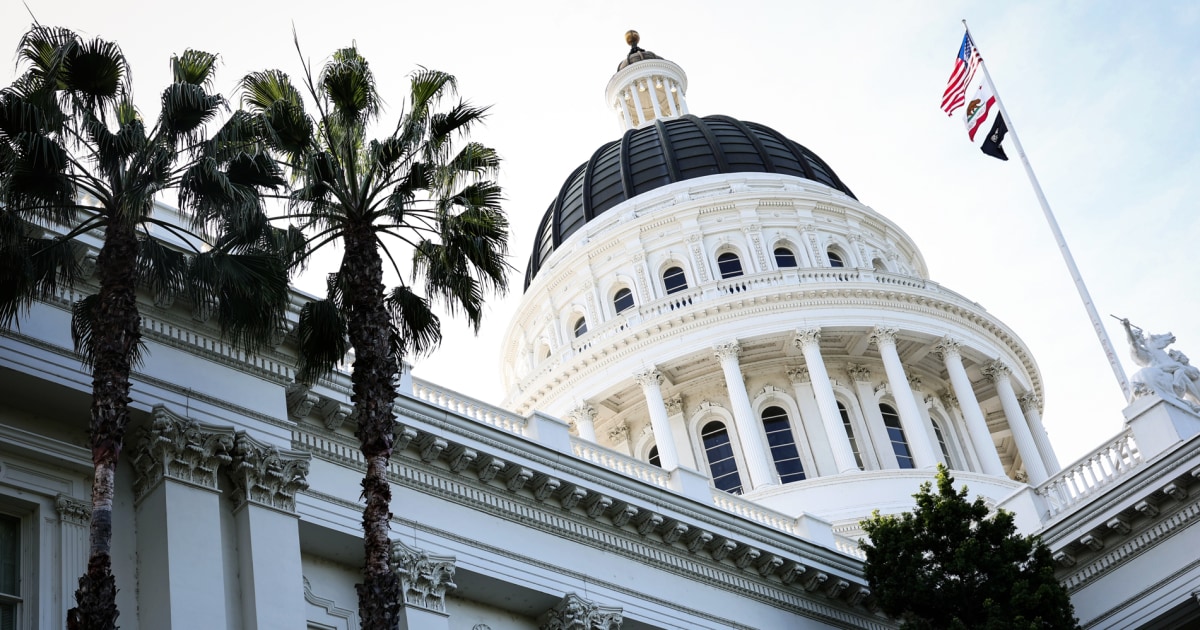
California Enacts More Than 20 Bills Curbing AI and Social Media Impact
As the legislative session concluded on Monday night, September 1, 2026, California’s Democratic-controlled Legislature passed a torrent of bills designed to restrict various uses of artificial intelligence and curtail how social media companies’ products can be used by minors. This legislative sprint represents one of the most significant state-level interventions in the tech sector to date, addressing critical issues such as AI's impact on jobs and social media safety.
The passage of these measures underscores the growing urgency among state legislators to act where federal efforts have stalled or been preempted. With no comprehensive federal AI law in place, California is effectively setting the de facto national standard for AI governance. The new laws are expected to impose rigorous transparency requirements on AI developers and safety obligations on social media platforms, particularly regarding content recommendation algorithms and user data collection for minors.
This move by California creates immediate compliance challenges for Big Tech companies operating nationwide. Given the size of the California market, these regulations will likely influence product design and operational practices globally. The legislative activity highlights the tension between innovation incentives and the demand for protective guardrails, a theme echoed in recent commentary from industry figures like Bill Gates, who has publicly advocated for slowing AI development due to safety concerns.
New Legislation & Regulatory Actions
US: California AI and Social Media Safety Package
- What happened: California passed more than 20 bills restricting AI uses and limiting social media interactions for minors.
- Who it affects: AI developers, social media platforms (Meta, TikTok, X, etc.), and employers using AI in hiring or management.
- Status: Enacted (signed into law as session closed Sept 1, 2026).
- Why it matters: Establishes strict state-level precedents that may force nationwide compliance adjustments due to California's market size.
US: Workplace AI Regulation Landscape Expansion
- What happened: A new analysis highlights the complex legal landscape for employers navigating workplace AI laws that took effect on January 1, 2026, alongside ongoing legislative considerations.
- Who it affects: Employers using AI for hiring, performance management, or employee monitoring.
- Status: Under review/Active enforcement (new state laws effective Jan 1, 2026; new bills under consideration).
- Why it matters: Employers face increasing liability risks if they fail to comply with disparate impact audits and disclosure requirements mandated by new state statutes.
US: Federal-State Preemption Conflict Intensifies
- What happened: Reports indicate a deepening crisis in US AI policy, with 29 states passing their own rules while no federal law exists, leading to a "patchwork" of conflicting regulations.
- Who it affects: Multi-state tech companies facing inconsistent compliance obligations across jurisdictions.
- Status: Active conflict (ongoing legislative and judicial battles).
- Why it matters: The lack of federal clarity forces companies to adhere to the strictest state standards (often California's) to avoid legal exposure, effectively nationalizing state laws.
Enforcement & Penalties
EU: AI Act Transparency Rules and Fines Now Live
- Regulator → Target: EU AI Office → General-Purpose AI Providers
- Action taken: Article 50 transparency duties are now enforceable following the August 2, 2026 deadline. Penalties for prohibited practices can reach up to €35 million or 7% of global annual turnover.
- Precedent set: Demonstrates the EU's commitment to vigorous enforcement, moving beyond theoretical guidelines to active penalty imposition.
Industry Response
Bill Gates: Calls for Slowing AI Development
- Company/Association: Microsoft Corp. (Co-founder Bill Gates)
- What they did or said: Published a 6,000-word essay stating he would slow AI development if possible, citing concerns that Big Tech cannot be trusted to self-regulate its creations.
- Why it matters: Signals growing internal dissent within the tech industry regarding the pace of deployment and the adequacy of current safety measures.
OpenAI: Acknowledges State-Level Policy Dominance
- Company/Association: OpenAI
- What they did or said: A senior official stated that AI policymaking will continue to run through the states and be informed by California’s work, despite federal preemption attempts.
- Why it matters: Indicates that major AI labs are strategically planning for a decentralized regulatory environment rather than waiting for federal clarity.
US Government: Pushes for Deregulation at G20
- Company/Association: US Administration
- What they did or said: At the G20 ministerial meeting, the US emphasized industry growth over regulatory constraints, calling for looser approaches to AI regulation compared to the EU's new laws.
- Why it matters: Highlights a geopolitical split in AI governance, potentially complicating international data transfers and compliance for multinational firms.
Region Scorecard
| Region | Activity Level | Key Development | Trend |
|---|---|---|---|
| US | 🔴High | California passes 20+ AI/social media bills | ↑ |
| EU | 🔴High | Active enforcement of AI Act transparency rules | ↑ |
| UK | 🟢Low | No major new enforcement actions reported | → |
| China | 🟢Low | No major new enforcement actions reported | → |
| Other | 🟡Medium | G20 debates on deregulation vs. regulation | → |
Analysis: What This Means
- For Tech Giants & Startups: Compliance strategies must now prioritize California's new mandates as the baseline for US operations. The "California Effect" means that adhering to these strict state laws is often the most efficient path to nationwide compliance, despite federal preemption rhetoric.
- For Multinational Firms: The divergence between US deregulation advocacy and EU enforcement requires bifurcated compliance architectures. Companies must maintain strict EU AI Act conformity (transparency, risk assessments) while preparing for a potentially lighter-touch but highly litigious US state-level environment.
- For Employers: The expansion of workplace AI laws necessitates immediate audits of AI tools used in hiring and performance management. With 29 states having their own rules, employers must ensure their HR tech stacks can demonstrate non-discriminatory outcomes to avoid penalties.
What to Watch Next Week
- Implementation Details for CA Bills: Look for initial guidance from California agencies on how the newly enacted AI and social media bills will be interpreted and enforced.
- EU AI Office Penalty Announcements: Monitor for specific cases where the EU imposes fines under the newly live transparency and GPAI provisions, which will set practical precedents for compliance costs.
- Federal Preemption Litigation: Watch for any immediate legal challenges filed by the federal government or industry groups against California's new laws, testing the limits of state authority in AI governance.
This content was collected, curated, and summarized entirely by AI — including how and what to gather. It may contain inaccuracies. Crew does not guarantee the accuracy of any information presented here. Always verify facts on your own before acting on them. Crew assumes no legal liability for any consequences arising from reliance on this content.
Powered by
