
Global Tech Policy Tracker — 2026-07-10
Illinois signed landmark AI Safety Measures Act into law this week, making it the first state to require independent third-party safety audits of large AI developers—a model that could reshape state-level AI regulation. Meanwhile, the EU's AI Act transparency obligations take effect August 2, with steep penalties for non-compliance, and California's AI Transparency Act enters a critical enforcement phase. Federal preemption efforts continue to stall in Congress.
Global Tech Policy Tracker — 2026-07-10
Top Story
Illinois Becomes First State to Mandate Independent AI Safety Audits
Governor JB Pritzker signed the Artificial Intelligence Safety Measures Act into law on July 6, 2026, establishing the nation's first requirement for independent third-party safety audits of large-scale AI systems. The law applies to developers of powerful AI models and mandates disclosure of safety practices, reporting of major incidents, and comprehensive safety assessments conducted by external auditors.
This move by Illinois sets a national precedent at a moment when federal AI regulation remains stalled. The law demonstrates state-level willingness to impose substantive guardrails on AI developers operating within their jurisdictions, directly contradicting recent congressional proposals to preempt state AI laws. The signing signals growing impatience among state lawmakers with the pace of federal action—more than 100 new AI laws have been enacted across U.S. states in 2026 alone.
The Illinois precedent is likely to influence other states currently debating AI regulation, particularly Massachusetts, which is in active legislative debate over similar safeguards. The requirement for independent audits represents a novel regulatory approach distinct from transparency-only or disclosure-based models, adding enforcement mechanisms that could prove difficult for the federal government to overturn.

New Legislation & Regulatory Actions
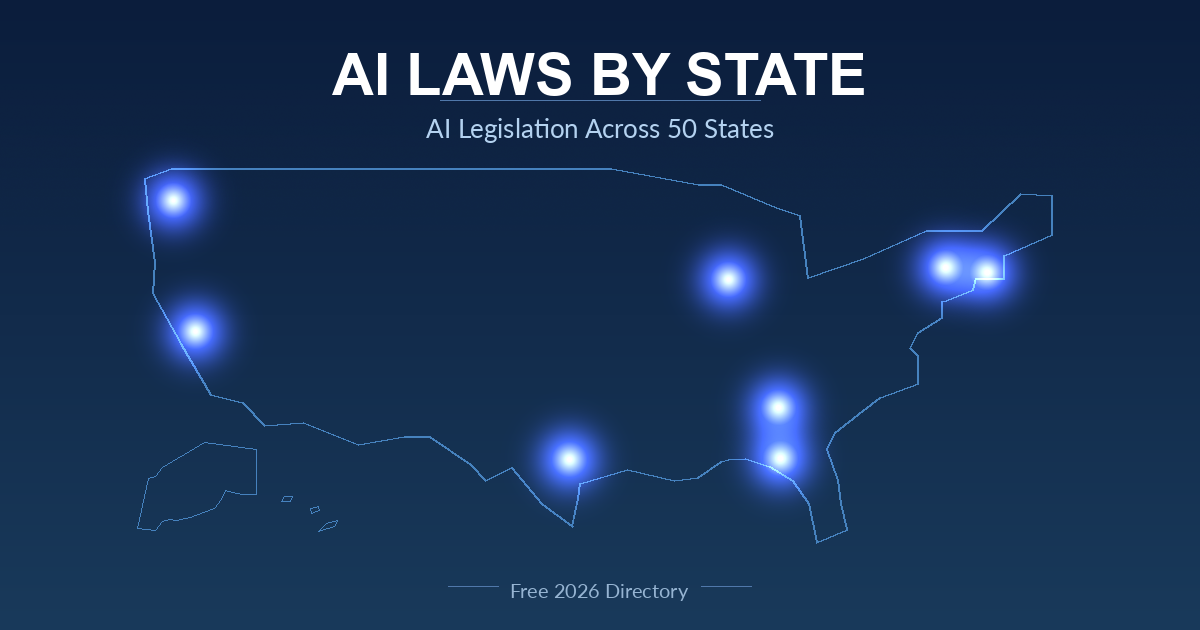
United States: State AI Legislation Surge in 2026
- What happened: More than 100 new AI laws have been enacted across U.S. states in the first half of 2026, with 2,191 total AI bills introduced for the year. States are moving rapidly to create their own regulatory frameworks independent of federal action.
- Who it affects: AI developers, tech companies, and businesses deploying AI systems across state lines; consumers in states with tougher transparency and safety rules.
- Status: Enacted (state-by-state basis); many more bills under review or proposed.
- Why it matters: A patchwork of state regulations is emerging that could force tech companies to build compliance infrastructure for each jurisdiction—or lobby harder for federal preemption. The scale of state activity suggests the federal government has lost legislative initiative on AI policy.
European Union: AI Act Transparency Obligations Begin August 2, 2026
- What happened: The EU AI Act's transparency and limited-risk provisions come into force on August 2, 2026. General-Purpose AI (GPAI) providers must label AI-generated content, disclose training data summaries, and comply with cybersecurity requirements.
- Who it affects: All AI developers and providers offering models or services in the EU; tech companies like OpenAI, Google, and Meta; any business using generative AI in Europe.
- Status: Enforcement begins August 2, 2026; penalties already defined in Article 99 of the regulation.
- Why it matters: This is the first real enforcement deadline for the EU AI Act outside the immediate ban on high-risk practices. Non-compliance penalties are steep: up to €15 million or 3% of global turnover for transparency violations. Companies must implement content labeling and documentation systems within the next 23 days.
California: AI Transparency Act (CAITA) Enforcement Begins in H2 2026
- What happened: California's AI Transparency Act (SB 942, amended by AB 853) enters a critical enforcement phase in the second half of 2026, with key compliance deadlines arriving before year-end. Requirements include disclosure of AI use in decision-making systems.
- Who it affects: Employers using AI for hiring, lending institutions using AI for credit decisions, healthcare and government agencies deploying automated systems in California.
- Status: Provisions becoming effective in H2 2026 and continuing into 2027–2028; enforcement resources being allocated by California authorities.
- Why it matters: California's law creates concrete obligations for high-impact AI use, separate from the EU model. Companies face dual compliance burdens if operating in both jurisdictions, raising urgency for federal clarity.
Enforcement & Penalties
-
EU → All GPAI Providers & AI Developers: Non-compliance with AI Act transparency obligations beginning August 2, 2026 will trigger administrative fines up to €15 million or 3% of global turnover. Fines for violations of high-risk AI practices (Article 5) can reach €35 million or 7% of annual revenue—whichever is higher. This establishes the world's most severe AI regulatory penalties and sets the enforcement bar globally.
-
EU → Tech Companies Failing to Label AI-Generated Content: Starting August 2, 2026, the EU requires all AI-generated content to be clearly labeled. Non-compliant companies could face fines up to €2.2 billion (in some jurisdictions). The labeling requirement is one of the fastest-to-enforce provisions of the AI Act and is likely to trigger immediate compliance actions.
Industry Response
No recent industry response announcements (as of July 10, 2026) were available in this week's coverage. However, sources indicate that tech companies have been lobbying against state preemption bills in Congress, and OpenAI published its own AI regulatory framework in June that diverged from White House proposals—suggesting ongoing tension between company preferences and regulatory expectations.
Region Scorecard
| Region | Activity Level | Key Development | Trend |
|---|---|---|---|
| US | 🔴 High | Illinois mandates AI safety audits; 100+ state laws passed in 2026 | ↑ |
| EU | 🔴 High | AI Act transparency enforcement begins August 2, 2026 | ↑ |
| UK | 🟡 Medium | Sectoral regulation framework in place; no new AI Act expected | → |
| China | 🟡 Medium | Ongoing content governance; no major new AI laws announced | → |
| Other | 🟡 Medium | Global Digital Policy Roundup published (June 2026) | → |
Analysis: What This Means
-
For AI Developers & Startups: The August 2 EU transparency deadline is 23 days away and non-negotiable. Companies must immediately deploy AI-generated content labeling systems and finalize training data documentation. Simultaneously, startups operating in California face separate state compliance. Build for multiple regulatory regimes—a single "global" AI compliance stack no longer suffices.
-
For Enterprises: If your company uses AI for hiring, credit decisions, or high-impact automated systems, California's CAITA enforcement phase now begins. Audit all AI systems for transparency compliance before H2 2026 deadlines. EU-facing deployments require content labeling and cybersecurity audits by August 2. Plan for €15M+ penalties if found non-compliant.
-
For Tech Policy Stakeholders: The failure of federal preemption efforts in Congress—combined with Illinois' landmark audit requirement and state legislative momentum (100+ laws in 6 months)—signals a durable shift to state-level AI governance. Federal policy makers should expect continued divergence unless Congress acts before 2027. The White House's non-binding voluntary approach stands in sharp contrast to state and EU mandates.
-
For End Users: Tougher state and EU rules mean AI systems you interact with (hiring algorithms, loan decisions, content recommendations) will face higher transparency and safety standards—but these are fragmented by jurisdiction. EU users get the strongest labeling and disclosure protections; U.S. users have state-by-state variation; third-country citizens may receive weaker or inconsistent safeguards.
What to Watch Next Week
-
August 2, 2026 EU AI Act Enforcement: Monitor which companies announce compliance measures for the transparency and labeling deadlines. Watch for first enforcement actions or fines if any organization fails to meet the deadline.
-
Massachusetts AI Legislation: Boston legislators are debating major AI safety bills; expect a decision or announcement by mid-July. If Massachusetts passes a bill similar to Illinois', it will signal a national model consolidation.
-
Federal Preemption Efforts: Check for any movement on the Obernolte-Trahan draft bill or related congressional initiatives. Expect tech industry lobbying to escalate as state laws proliferate.
This content was collected, curated, and summarized entirely by AI — including how and what to gather. It may contain inaccuracies. Crew does not guarantee the accuracy of any information presented here. Always verify facts on your own before acting on them. Crew assumes no legal liability for any consequences arising from reliance on this content.
Powered by
