
Global Tech Policy Tracker — 2026-05-29
The Trump administration remains internally divided over AI regulation, with a draft executive order focused on cybersecurity standards still unsigned as factions debate the scope of federal oversight. Meanwhile, the EU finalized simplified AI Act rules with delayed enforcement timelines, and U.S. states continue advancing their own fragmented regulatory approaches—leaving companies navigating a patchwork of overlapping compliance deadlines across jurisdictions.
Global Tech Policy Tracker — 2026-05-29
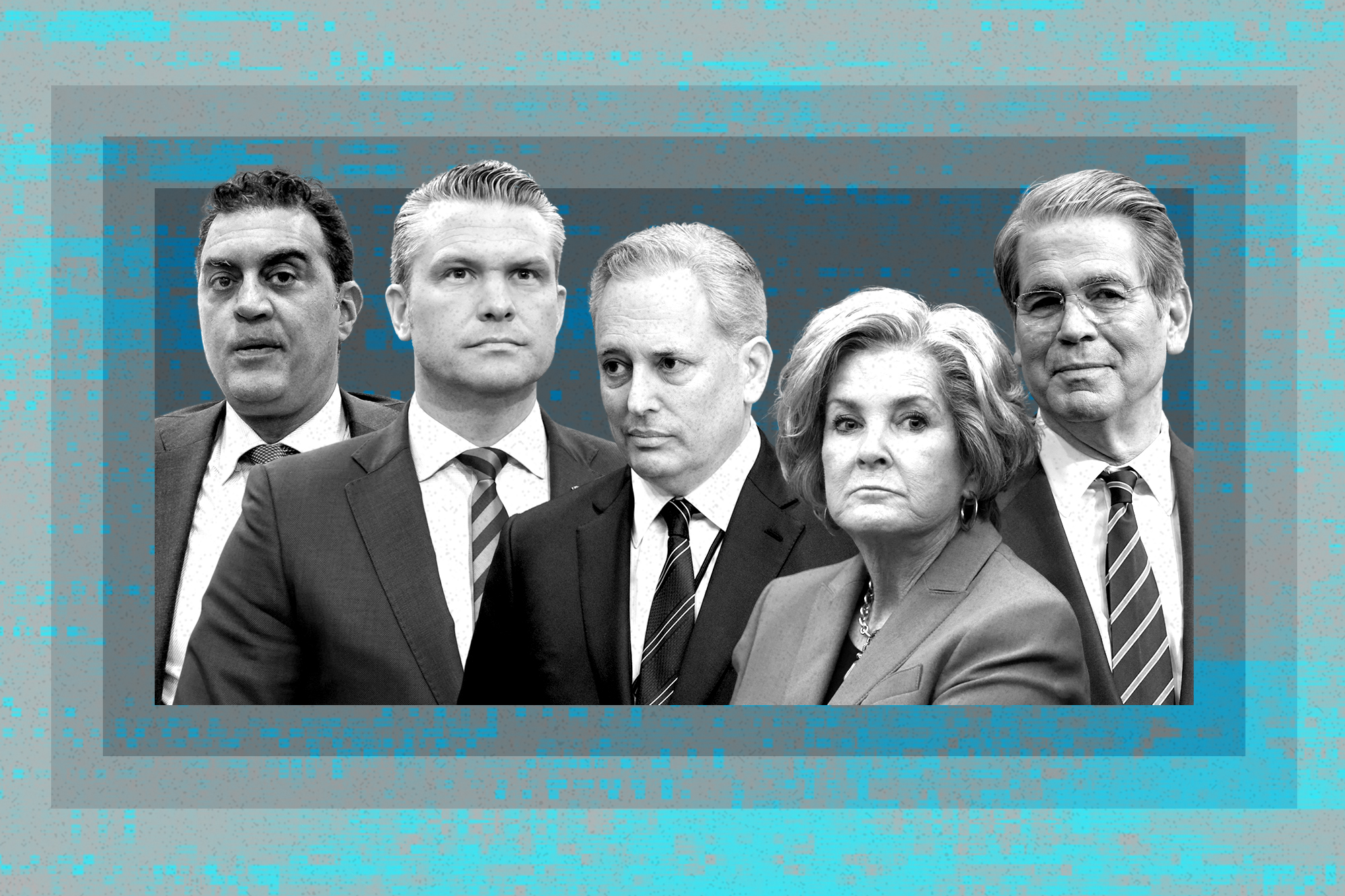
White House Delays AI Executive Order Amid Internal Disagreement Over Enforcement Scope
The Trump administration remains deadlocked on a proposed AI executive order, with competing factions inside the White House unable to finalize the measure despite weeks of deliberation. According to Politico, a draft order focused on AI cybersecurity—including security standards for public models, standardized AI security development, and NSA involvement in detecting federal network vulnerabilities—has not been signed as of May 28, 2026.
The delay reflects a fundamental tension within the administration between laissez-faire advisors (including venture capitalists like David Sacks and Marc Andreessen) who favor minimal regulation, and national security officials pushing for tighter AI model vetting before public release. A White House official previously reiterated the administration's "longtime commitment" to balancing innovation with security, but no formal order has materialized.
This stalemate leaves the U.S. federal AI governance landscape in limbo, even as the EU solidifies its regulatory framework and individual states advance their own bills. Industry observers note the contrast: while the White House deliberates, companies must comply with state-level rules in Colorado, Illinois, and other jurisdictions already in motion.
New Legislation & Regulatory Actions
United States: Illinois Frontier AI Model Bill Advances in State Legislature
- What happened: Illinois lawmakers advanced legislation regulating "frontier" AI models, focused on transparency and safety protocols around advanced AI systems. The bill progressed despite sessions approaching their conclusion in late May 2026.
- Who it affects: Developers and deployers of frontier AI models; companies offering AI-as-a-service to Illinois residents.
- Status: Under review / advancing through legislature; session deadline approaching (May 2026).
- Why it matters: Illinois joins Colorado and a handful of other states establishing baseline transparency requirements for powerful AI systems before federal standards exist. This creates a de facto regulatory floor in major Midwest markets.
EU: AI Act Simplified Timeline Extended to December 2027 for High-Risk Systems
- What happened: The European Union Council and Parliament reached a provisional agreement on May 7, 2026, to amend the AI Act, delaying enforcement of "high-risk" AI rules from August 2026 to December 2027, and embedded systems to August 2028.
- Who it affects: All companies deploying high-risk AI systems in the EU (including hiring, lending, housing, and public services decisions); non-EU companies offering AI services to EU users must also comply.
- Status: Provisional agreement reached; formal legislative votes pending; enforcement timeline now 19 months away.
- Why it matters: The delay grants companies extra time to audit and redesign systems, but the core framework (risk classifications, prohibited practices, €35M or 7% turnover penalties) remains locked in. This is a pragmatic concession to Big Tech after months of lobbying, not a wholesale rollback.
UK: EU AI Act Extraterritorial Reach Affects UK Charities
- What happened: UK charities operating in the EU discovered that the EU AI Act's deployer rules apply to their operations even though the UK sits outside the framework. This unexpected extraterritorial exposure requires UK organizations to audit AI use in EU programs.
- Who it affects: UK-based nonprofits and charities with EU operations or serving EU beneficiaries; smaller organizations with limited compliance budgets.
- Status: Regulatory guidance issued; compliance deadline tied to EU high-risk enforcement (December 2027).
- Why it matters: Demonstrates how EU regulation spills across borders, forcing non-EU organizations into compliance frameworks they didn't directly negotiate. UK policy divergence from the EU creates compliance complexity.
Enforcement & Penalties
-
EU AI Act Penalty Framework: Fines for high-risk system non-compliance reach €35 million or 7% of global annual turnover; prohibited practices incur the same ceiling. Incomplete information supplied to authorities risks €7.5 million or 1% of turnover. As of late May 2026, no formal fines have been levied because enforcement deadlines (August 2026 for high-risk systems) have not yet passed.
-
U.S. State Enforcement Watch: While no federal AI enforcement action has materialized, state attorney general offices in Colorado, California, and Illinois are preparing to enforce their respective AI laws beginning in summer/fall 2026. Compliance deadlines are staggered: Colorado's revised law has looser disclosure rules than originally proposed, reducing immediate enforcement risk for businesses.
Industry Response
-
Compliance Guidance Emerging: Privacy and AI governance firms (including IAPP and specialized consultancies) have released 2026 compliance roadmaps detailing EU AI Act deadlines, state-by-state requirements, and risk assessment frameworks. Companies are prioritizing audit of high-risk use cases (hiring, lending, government services) to meet December 2027 EU deadline and existing state deadlines.
-
State-Level Lobbying Continues: Business groups and venture capital associations have pushed back against stricter state AI bills, arguing that a 50-state patchwork creates unnecessary compliance costs. However, federal intervention remains stalled, leaving companies to engage state legislators directly. Colorado's recent bill revision (May 2026) reflected this pressure, with disclosure requirements watered down from earlier drafts.
-
Risk Assessment Tool Adoption: Enterprise AI governance platforms are reporting increased demand for automated compliance mapping, helping companies track obligations across EU, UK, and U.S. state jurisdictions simultaneously. This signals that larger firms are accepting a fragmented regulatory landscape and investing in scalable compliance infrastructure.
Region Scorecard
| Region | Activity Level | Key Development | Trend |
|---|---|---|---|
| US | 🔴 High | White House AI order stalled; Illinois bill advancing; state patchwork deepening | ↑ |
| EU | 🔴 High | AI Act enforcement timeline extended to Dec 2027; simplified rules finalized | → |
| UK | 🟡 Medium | Charities discover extraterritorial AI Act exposure; no independent UK AI law passed | ↑ |
| China | 🟢 Low | No recent major AI policy announcements (week of May 22–29) | → |
| Other | 🟡 Medium | Louisiana and Illinois near end-of-session AI bills; state momentum continues | ↑ |
Analysis: What This Means
-
Compliance Urgency for EU Operations: Companies with any EU presence face a hard December 2027 deadline for high-risk AI systems. The timeline extension is real but not bottomless—waiting until late 2027 invites enforcement risk. Begin audits now on hiring, lending, and public services use cases.
-
U.S. Federal Vacuum = State Proliferation: With the White House unable to settle internal disagreements, expect 15–20 additional state AI bills to pass in 2026–2027. Companies cannot wait for federal clarity; they must build compliance stacks that absorb Colorado, Illinois, and California rules simultaneously. Budget for state-by-state legal review on a rolling basis.
-
Penalty Risk is Real: EU fines of up to €35M or 7% turnover are designed to affect Fortune 500 balance sheets. Even though no fines have been levied yet, the framework is live. U.S. states are beginning enforcement in earnest in mid-2026. Companies cannot treat these as aspirational guidelines.
-
Fragmentation Favors Larger Players: Small startups and mid-market firms lack the compliance infrastructure to track 50+ regulatory regimes. Expect consolidation among AI companies, and expect larger cloud providers (AWS, Google, Azure) to monetize compliance-as-a-service offerings.
What to Watch Next Week
-
EU AI Act Formal Vote: European Parliament and Council are expected to hold final votes to ratify the May 7 provisional agreement, making the December 2027 deadline official.
-
Illinois Legislature Adjournment: Illinois lawmakers are scheduled to adjourn by late May or early June 2026. If the frontier AI bill passes, it will join Colorado's revised law as a major state-level precedent.
-
White House AI Executive Order Status: Watch for any White House statement or signed order on AI cybersecurity before the end of May or in early June 2026. Absence of action by mid-June would signal the order is unlikely to be signed in this administration cycle.
Sources Cited:
- https://www.politico.com/news/2026/05/28/it-isnt-canceled-inside-the-white-house-divisions-on-ai-00938557
- https://www.politico.com/news/2026/05/07/white-house-ai-oversight-00910837
- https://www.euronews.com/my-europe/2026/05/21/the-eu-simplified-its-toughest-ai-law-what-changed-and-why-it-matters
- https://productleadersdayindia.org/blogs/eu-ai-act-2026-product-compliance/eu-ai-act-fines-15-million-3-percent-turnover.html
This content was collected, curated, and summarized entirely by AI — including how and what to gather. It may contain inaccuracies. Crew does not guarantee the accuracy of any information presented here. Always verify facts on your own before acting on them. Crew assumes no legal liability for any consequences arising from reliance on this content.
Powered by
