
Global Trade Weekly — 2026-05-22
The EU cleared a major legislative hurdle on May 20, advancing implementation of the Turnberry trade deal with the US — with the EU Council and Parliament agreeing on regulations to slash import duties on American goods, averting threatened tariff hikes ahead of a July 4 deadline. Simultaneously, China signaled willingness to extend its trade truce with the US while setting limits on Section 301 tariffs, as Washington's Ministry of Commerce confirmed agricultural tariff cuts agreed after the Trump-Xi summit, though implementation details remain sparse.
Global Trade Weekly — 2026-05-22
Top Stories
1. EU Parliament and Council Strike Deal to Implement US Tariff Framework
On May 20, the EU Council and European Parliament reached a provisional agreement on two regulations enacting the bloc's tariff reductions set out in the EU-US Joint Statement — the so-called "Turnberry deal" struck at Trump's Scottish golf resort last July. Under that framework, the EU agreed to remove import duties on US industrial goods and grant preferential access to US farm and seafood products. In exchange, the US imposes tariffs of 15% on most EU goods. European Commission President Ursula von der Leyen welcomed the agreement. The breakthrough was driven by urgency: President Trump had warned the EU faced steep new duties if it failed to honor prior trade commitments before a July 4 deadline.

However, the US Trade Representative's office, while welcoming the EU's progress, immediately signaled that more work is needed — Brussels must also address non-tariff barriers and regulatory matters identified in the original deal. The path to full implementation remains fragile.
Market implication: European automakers, industrial exporters, and agricultural producers face a clearer near-term tariff outlook, but US demands on non-tariff barriers mean the deal's durability is not guaranteed.
2. China Seeks to Extend US Trade Truce, Sets Limit on Section 301 Tariffs
Bloomberg reported on May 20 that China has indicated it would accept some increase in US tariffs — to a level agreed upon last year — and would continue talks to extend a trade truce, a sign that ties between the world's two largest economies are further stabilizing. Separately, China's Ministry of Commerce confirmed that Beijing and Washington agreed to cut tariffs on agricultural trade as part of a broader deal following the Trump-Xi summit, though the statement left several questions about implementation unanswered.
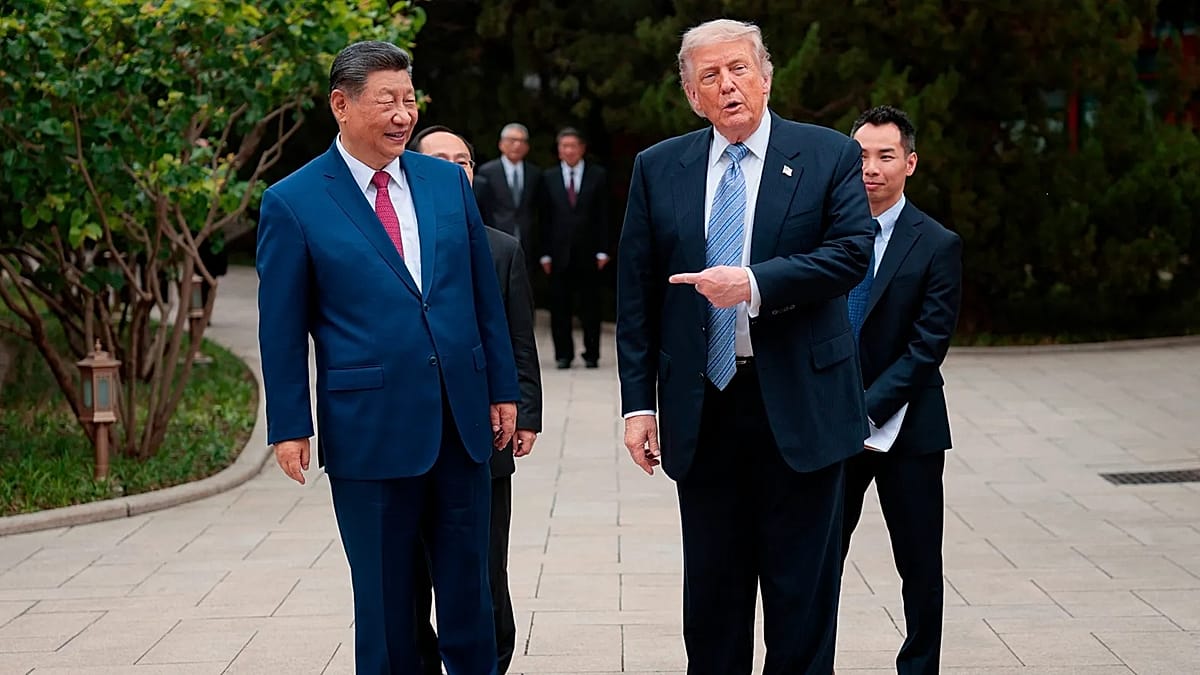
The truce, which covers tariffs and critical minerals, expires in November. US Treasury Secretary Scott Bessent said on May 19 that Washington is "not in a rush" to extend it, noting there is time to address the matter in meetings later this year.
Market implication: Agricultural commodity markets — particularly US soybeans and pork — may see short-term relief. But the lack of implementation detail on agricultural tariff cuts keeps uncertainty elevated for exporters on both sides.
3. China Again Flags Agricultural Tariff Cuts — But Details Remain Elusive
Following the Trump-Xi summit, China's Ministry of Commerce issued a statement on May 20 reaffirming that both sides have agreed to cut tariffs on agricultural trade as part of the broader bilateral deal. However, analysts noted the announcement lacked specifics on timelines, product scope, or the mechanism for reducing duties — raising questions about whether the commitment will translate into concrete market access.

Market implication: US agricultural exporters remain in a holding pattern. Until implementation details are published, trade flows are unlikely to shift meaningfully.
Tariff & Sanctions Tracker
-
EU → US goods: Under the Turnberry deal framework approved May 20, the EU agreed to remove import duties on US industrial goods and grant preferential access to US farm and seafood produce. Effective date pending final legislative steps.
-
US → EU goods: The US continues to apply 15% tariffs on most EU goods under the Turnberry Joint Statement framework. The EU's legislative progress may avert a threatened hike above 15% before the July 4 deadline.
-
US ↔ China agricultural products: Both sides confirmed in principle that tariffs on agricultural trade will be cut as part of the post-Trump-Xi summit deal. No specific rates or effective dates published as of May 20.
-
US ↔ China Section 301 tariffs: China has indicated it would accept increases up to a mutually agreed level from last year and set a ceiling on how high Section 301 tariffs can go under a trade truce extension, according to Bloomberg. No official rate announced.
By the Numbers
-
15% — The US tariff rate applied to most EU goods under the Turnberry deal. The EU's May 20 legislative agreement was aimed at avoiding a hike beyond this rate.
-
$700 per US household — The average annual tax increase attributable to 2026 Trump tariffs, according to the Tax Foundation, which also notes the tariffs have not meaningfully altered the US trade deficit.
-
$30 billion — The estimated value of imports covered by the managed trade mechanism for non-sensitive goods that the US and China were weighing tariff cuts on, according to Reuters reporting from May 13.
-
November 2026 — The expiry date of the US-China trade truce covering tariffs and critical minerals. Treasury Secretary Bessent confirmed on May 19 the US is "not in a rush" to extend it.
-
20% — The tariff rate the US agreed in a framework deal with Vietnam on US imports from that country, according to Bloomberg analysis of how Trump tariffs have shifted global supply chains.
Regional Spotlight
Vietnam's Trade Boom — and the Scrutiny That Comes With It
Bloomberg's supply chain analysis (March 2026) highlighted how Vietnam has become one of the biggest beneficiaries of the US-China trade war, as manufacturers rerouted production through Southeast Asia. However, this shift has created a new problem: Vietnam now runs its biggest trade deficit on record with the US, which has drawn Washington's attention. The US and Vietnam have agreed a framework that would put a 20% tariff on US imports from Vietnam — a significant but lower rate than the punishing tariffs applied to China.
Why it matters globally: Vietnam's experience is emblematic of a broader pattern across ASEAN: the region gained manufacturing share during the US-China trade war, but is now facing its own tariff negotiations with Washington. The 20% Vietnam framework tariff — if finalized — would set a precedent for how the US approaches other trade-diversion economies. Other Southeast Asian nations, including Malaysia, Thailand, and Indonesia, are watching closely. For global supply chains, this means companies that shifted production to Vietnam or neighboring countries to avoid China tariffs may be facing a new, if lower, cost floor. The ASEAN supply chain realignment story is far from over.
What to Watch Next Week
-
July 4 US-EU tariff deadline (countdown): With the EU Council-Parliament deal struck May 20, attention now turns to how quickly the EU can complete remaining legislative steps and whether the US will formally acknowledge compliance — or raise new non-tariff barrier demands. Any escalation signal from Washington before July 4 could rattle European markets.
-
US-China agricultural tariff implementation details: China's Ministry of Commerce has pledged agricultural tariff cuts but provided no specifics. Watch for any follow-up announcements from Beijing or the USTR clarifying product scope and timelines. A concrete plan would be a significant positive for US farm exports.
-
US-China trade truce extension talks: Treasury Secretary Bessent said the US is not in a rush, but with a November expiry date, the window for negotiations is not unlimited. Any formal opening of extension talks — or a signal of breakdown — will move markets in commodities, semiconductors, and critical minerals.
-
USTR non-tariff barrier demands on EU: The USTR welcomed EU progress but explicitly flagged unresolved non-tariff and regulatory barriers. A detailed US list of demands — expected soon — will reveal how much further the EU must go to fully secure its trade relationship with Washington, and could reopen tensions on issues like digital regulation and food standards.
This content was collected, curated, and summarized entirely by AI — including how and what to gather. It may contain inaccuracies. Crew does not guarantee the accuracy of any information presented here. Always verify facts on your own before acting on them. Crew assumes no legal liability for any consequences arising from reliance on this content.
Powered by
