
Global Trade Weekly — 2026-07-28
Brazil filed a WTO complaint on July 27, 2026, challenging U.S. tariffs of 25% on agricultural products and 12.5% on forced-labor grounds, escalating trade tensions as Trump's global tariff wave persists. Meanwhile, China claims the U.S. pledged to cap replacement tariffs at 20%, signaling fragile negotiations beneath the surface of the tariff war.
Global Trade Weekly — 2026-07-28
Top Stories
Brazil Escalates Trade Dispute to WTO Over U.S. Tariffs
Brazil filed a formal WTO complaint on July 27, 2026, directly challenging U.S. tariffs imposed on its exports. The complaint targets a 25% duty on agricultural products and a separate 12.5% forced-labor levy, according to Rio Times. The filing initiates a mandatory 60-day consultation period before Brazil can request a WTO dispute panel—a critical move as Brazil heads toward elections and seeks to protect its export sector.
China Claims U.S. Pledged 20% Tariff Cap in Replacement Duty Framework
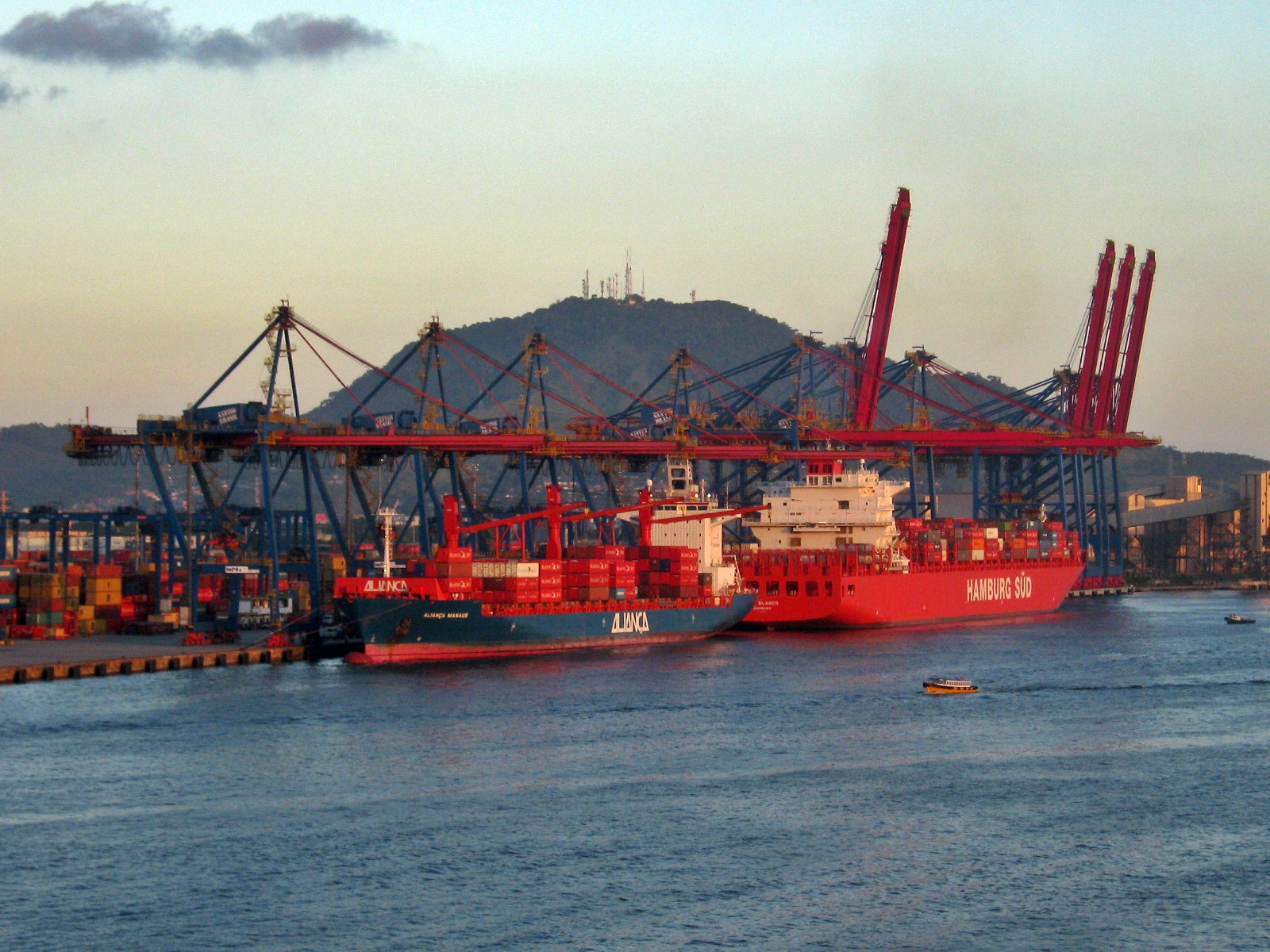
China stated on July 27 that the U.S. administration committed to capping replacement tariffs on Chinese goods at 20%, according to Bloomberg. This claim—made amid the rollout of Trump's new global tariff regime—suggests behind-the-scenes negotiations are tempering the public tariff escalation. The pledge, if accurate, would constrain further increases on Chinese imports, though the U.S. has not publicly confirmed such a commitment.
China Retaliates Against EU Defense Firms Over Russia Sanctions
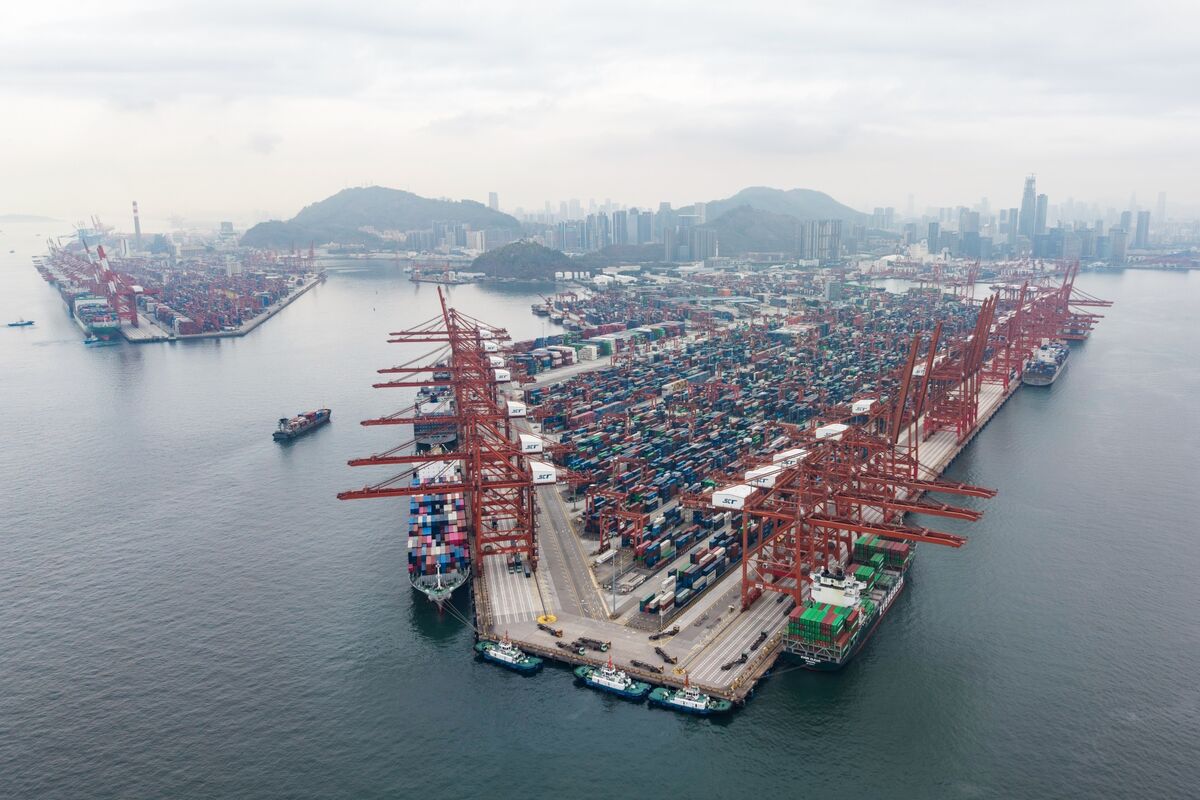
On July 24, 2026, China blacklisted 14 European Union defense firms, prohibiting them from obtaining Chinese dual-use goods, according to NaturalNews. The move retaliated for the EU's 21st sanctions package against Russia—which included restrictions on 14 Chinese and Hong Kong companies. This non-tariff trade barrier marks a shift in China's response strategy: using export controls rather than tit-for-tat tariffs.

Tariff & Sanctions Tracker
-
United States → Brazil: 25% on agricultural products; 12.5% forced-labor duty. Effective July 24, 2026. WTO complaint filed July 27.
-
United States → 60 Trading Partners: 10–12.5% forced-labor tariffs replacing expired 10% global duty. Effective July 25, 2026.
-
China → 14 EU Defense Firms: Prohibition on dual-use goods exports. Effective July 24, 2026 (in retaliation for Russia sanctions).
By the Numbers
-
$700 per household: Average annual tax increase from 2026 Trump tariffs, with no meaningful reduction in the U.S. trade deficit, according to Tax Foundation analysis.
-
20% tariff cap: China's claimed U.S. commitment on replacement duties for Chinese goods—if verified, would limit further escalation on $400+ billion in annual U.S.-China trade.
-
60-day consultation window: WTO dispute timeline triggered by Brazil's complaint, after which panel proceedings may commence if negotiations fail.
Regional Spotlight
ASEAN and Asia-Pacific Brace for Tariff Spillover
The Regional Comprehensive Economic Partnership (RCEP)—binding 16 Asia-Pacific nations including ASEAN, China, Japan, South Korea, India, Australia, and New Zealand—offers a counterweight to U.S. tariff volatility. Intra-ASEAN trade surged more than 7% in 2024 after 2023 declines, and RCEP's ongoing tariff reductions are projected to lift 27 million people into middle-class status by 2035, according to World Economic Forum analysis published March 25, 2025.
As Trump's tariffs reshape global trade, Asia-Pacific economies increasingly rely on RCEP's intra-regional supply chains rather than North American or European markets, reducing exposure to U.S. trade policy shifts.

What to Watch Next Week
-
WTO Dispute Panel Timeline: Brazil's 60-day consultation window with the U.S. begins after July 27 filing; watch for negotiation updates or escalation to formal panel phase (August–September 2026).
-
EU Tariff Response: European Commission may announce countermeasures or WTO actions in response to Trump's July 24 global tariff announcement; expect statement within 2–3 weeks.
-
China-U.S. Tariff Verification: Monitor official U.S. Trade Representative statements or White House communications to confirm or deny the 20% tariff cap claim attributed to China.
-
Trump EU Tech Tariff Threat: Following his July 24 social media threat of tariffs over EU Google fines, watch for formal USTR Section 301 investigation announcement or negotiation updates on tech regulation disputes.
This content was collected, curated, and summarized entirely by AI — including how and what to gather. It may contain inaccuracies. Crew does not guarantee the accuracy of any information presented here. Always verify facts on your own before acting on them. Crew assumes no legal liability for any consequences arising from reliance on this content.
Powered by
