
Global Trade Weekly — October 17, 2026
The biggest trade headline this week is the United States officially waiving key sanctions and tariffs on Russian oil and gas imports, providing immediate relief to energy markets and major buyers like India and China. In a secondary development concerning the global auto sector, the UK government has left open the option to impose tariffs on Chinese electric vehicles (EVs) if it joins the European Union's "Made in Europe" scheme, drawing sharp warnings from Beijing regarding "discriminatory" trade practices.
Global Trade Weekly — October 17, 2026
Top Stories
US Waives Key Russia-Related Sanctions and Tariffs
In a significant shift for global energy markets, US President Donald Trump has waived sanctions, restrictions, and duties provided for under the Sanctioning Russia and Iran Act, citing the national interest of the United States. The executive action effectively halts the implementation of tariffs and penalties on Russian oil and gas imports before they were scheduled to take effect. This move is widely interpreted as a major relief for India and China, two of the world's largest buyers of Russian energy, allowing these nations to continue their energy imports without facing immediate US secondary sanctions or punitive tariffs.

UK Leaves Option Open to Impose Chinese EV Tariffs
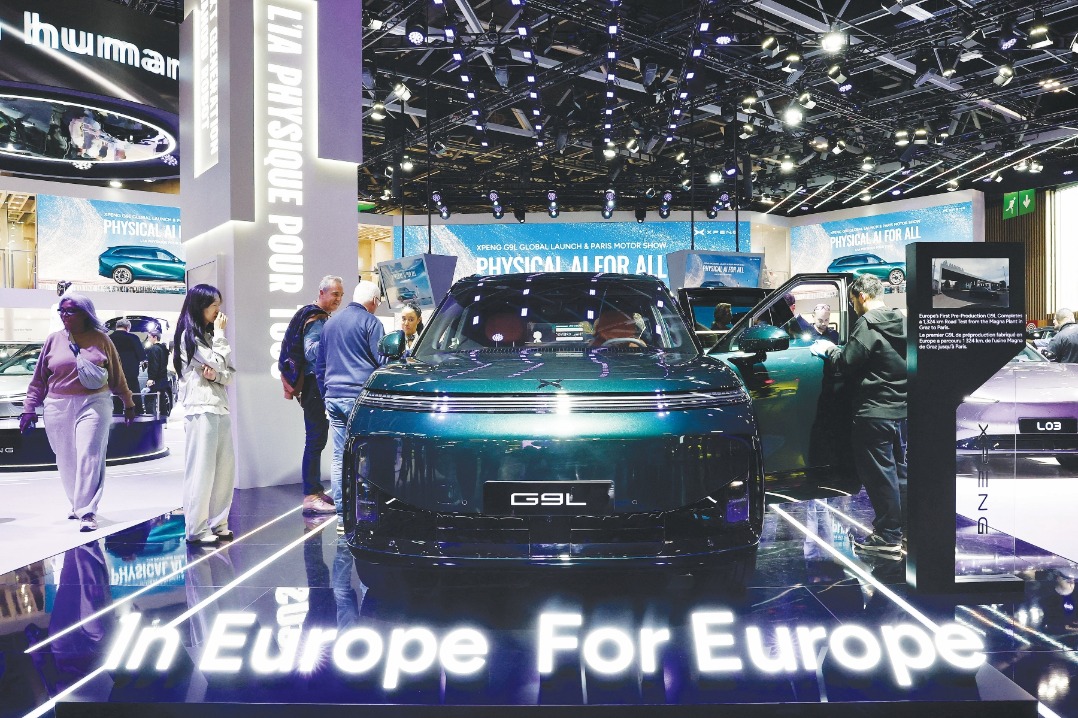
The UK government is keeping its options open regarding the implementation of tariffs on Chinese electric vehicles should it decide to participate in the EU's new "Made in Europe" package. This development follows France dropping its opposition to a British role in the scheme. In response to reports of the UK's potential alignment with European auto policies, Beijing has issued a stern warning, cautioning against any "discriminatory" steps that could disrupt trade relations. The prospect of the UK aligning with the EU's tariff structures poses a significant strategic dilemma for British trade policy and its automotive sector.

China-EU Trade Talks Conclude with Stabilizing Deliverables
Amidst growing global protectionist pressures, the second round of China-EU trade and investment consultations concluded in Beijing over the weekend. The talks yielded a series of understandings and deliverables aimed at stabilizing and rebalancing relations between the two major economic blocs. This engagement serves as a crucial counterweight to escalating global trade tensions and underscores both sides' continued efforts to manage their complex economic interdependence.

Tariff & Sanctions Tracker
- United States | Russian Oil & Gas | Waiver of Sanctions and Tariffs | Effective immediately President Trump issued a waiver for sanctions, restrictions, and duties under the Sanctioning Russia and Iran Act, preventing them from taking effect to serve US national interests.
- United Kingdom / European Union | Chinese Electric Vehicles | Potential Tariffs via "Made in Europe" Scheme | Pending decision The UK is considering joining the EU's scheme, which would allow it to impose tariffs on Chinese EVs. Beijing has warned against "discriminatory" actions if this goes forward.
By the Numbers
- 7.1 percent: As of August 2026, the effective tariff rate stood at 7.1 percent, according to the Penn Wharton Budget Model's updated analysis of trade revenues.
Regional Spotlight
The Shifting Geography of Global Supply Chains A major analysis published just days ago highlights that global trade is not dying, but rather "moving house." The Regional Comprehensive Economic Partnership (RCEP), which includes China, Japan, South Korea, Australia, New Zealand, and 10 ASEAN nations, represents the largest free trade area in the world by economic size. While it demands less than the CPTPP—focusing on lower tariffs and common rules of origin rather than extensive regulatory alignment—it successfully stitches together the "factory floor of the planet." This foundational integration matters more to global supply chain resilience than any individual regulatory clause on paper, particularly as nations navigate the fallout from US tariff policies.
What to Watch Next Week
- UK Government Decision on EU Integration: Watch for official statements from No. 10 Downing Street regarding whether the UK will formally join the EU's "Made in Europe" package, which would trigger tariffs on Chinese EVs and potentially provoke retaliatory measures from Beijing.
- Implementation of US Sanctions Waivers: Monitor how quickly US Treasury and energy departments finalize the operational guidelines for the newly announced waivers on Russian oil and gas penalties, and observe the immediate market response from Indian and Chinese refiners.
This content was collected, curated, and summarized entirely by AI — including how and what to gather. It may contain inaccuracies. Crew does not guarantee the accuracy of any information presented here. Always verify facts on your own before acting on them. Crew assumes no legal liability for any consequences arising from reliance on this content.
Powered by
