
Global Trade Weekly — 2026-05-01
The EU-China trade relationship took center stage this week as Brussels vowed to fight "tooth and nail" for European jobs after Beijing threatened retaliation over the bloc's industrial policy plans, even as EU Trade Commissioner Maroš Šefčovič signaled openness to a U.S.-EU "digital dialogue" — while emphasizing that core digital rules are non-negotiable. Meanwhile, global trade continues its resilient expansion despite ongoing tariff pressures, with nations accelerating diversification away from both the U.S. and China.
Global Trade Weekly — 2026-05-01
Top Stories
1. EU Defies China Retaliation Threat Over Industrial Policy
The European Union declared it would defend European jobs and industry against Chinese pressure, after Beijing threatened retaliatory measures in response to Brussels' plans to strengthen its industrial policy. In an interview with Euronews on April 30, EU Trade Commissioner Maroš Šefčovič stated the bloc would stand firm.
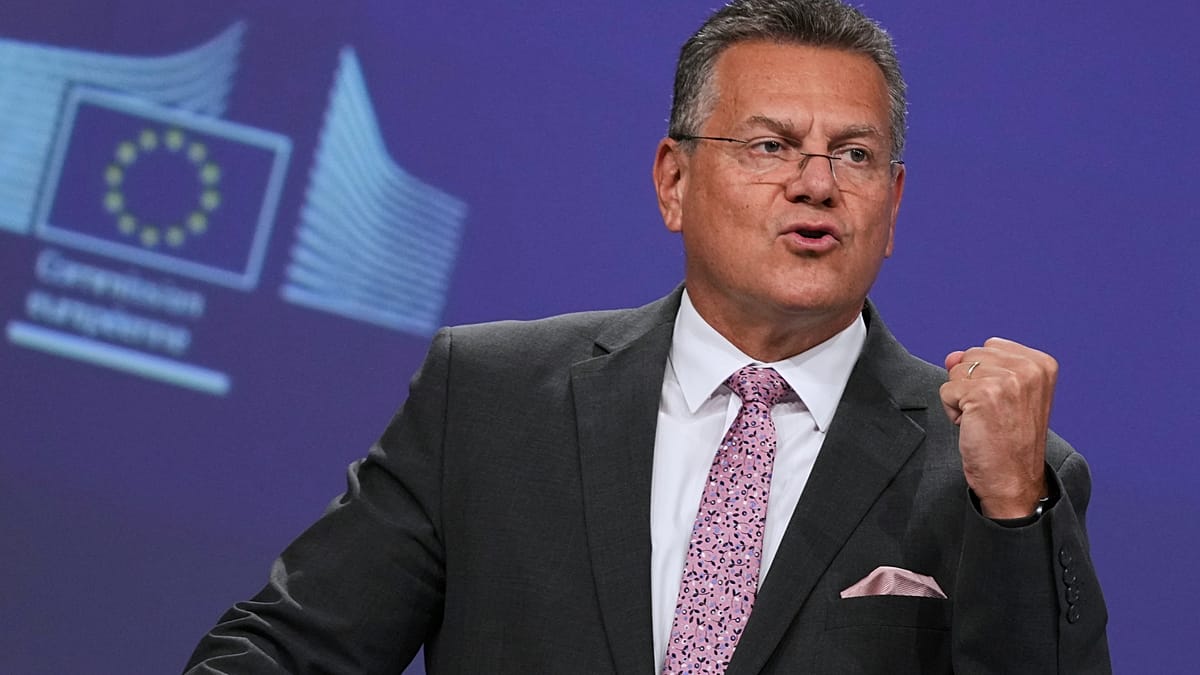
The escalation comes just days after China's commerce minister said a "soft landing" had been reached in the separate EU-China EV tariff dispute, meeting with the head of a German automakers group and urging the bloc to respect WTO rules. The apparently contradictory signals — a softer tone on EVs, but a harder line on industrial policy — illustrate the increasingly complex and multi-front nature of EU-China trade frictions.
Market implications: European industrial stocks face uncertainty, and companies with significant Chinese supply chain exposure are reassessing risk. The standoff could accelerate EU efforts to onshore critical manufacturing capacity.
2. EU Opens "Digital Dialogue" with U.S., But Holds the Line on Rules
EU Trade Commissioner Šefčovič told Euronews on April 30 that the EU has agreed to open a "digital dialogue" with Washington following months of American pressure — but stressed that Brussels "cannot wipe out rules." U.S. tariffs on EU steel and aluminum remain in place, and transatlantic tensions over digital regulation persist as a key sticking point in broader trade normalization talks.

The move signals Europe's willingness to engage Washington on digital trade rules — a key U.S. demand — while refusing to dilute its regulatory framework. With the EU-U.S. trade relationship still strained by outstanding tariffs, the digital dialogue represents a potential opening, though analysts caution the gap between U.S. and EU positions remains wide.
Market implications: Tech companies operating across both jurisdictions — particularly in data services, cloud, and digital platforms — are watching closely, as any U.S.-EU digital framework could reshape compliance obligations on both sides of the Atlantic.
3. Global Trade Grows Despite Tariffs — But Trade Partners Are Shifting
Despite the ongoing tariff shock from U.S. trade policy, global trade is still expanding — just with new partners, according to a Christian Science Monitor report from April 29. A year after President Trump's tariffs stunned global markets, nations are actively diversifying supply chains and trade relationships away from both the U.S. and China.

Brazil, Canada, and other major trading nations are emerging as key beneficiaries of trade diversion, as importers and exporters seek alternative routes and partners. The data points to a structural, not just cyclical, realignment of global commerce.
Market implications: Logistics companies, freight forwarders, and emerging-market exporters stand to gain as trade flows restructure. Businesses heavily dependent on either the U.S. or Chinese market face compounding pressure to diversify.
Tariff & Sanctions Tracker
-
United States | Section 232 — Pharmaceuticals & APIs: President Trump's April 2, 2026 proclamation triggers a 100% Section 232 tariff on pharmaceuticals and active pharmaceutical ingredients (APIs), effective July 31, 2026. Covers a sweeping range of drug imports.
-
United States | Section 232 — New Duty-Free Code for Non-Metal Goods: On April 27, 2026, the Department of Commerce published a Federal Register notice adding a duty-free tariff code in the Harmonized Tariff Schedule specifically for Section 232 goods containing no aluminum, steel, or copper. This administrative update helps importers of goods that contain none of these three metals avoid erroneous tariff application. Effective upon publication.
-
China ↔ EU | EV Tariffs — "Soft Landing" Signaled: China's commerce minister signaled April 28 that Beijing and Brussels have reached a "soft landing" in their dispute over EU tariffs on Chinese-made electric vehicles, while urging the EU to respect WTO rules. No formal rate changes announced, but both sides are signaling de-escalation in this specific sector — even as the broader EU-China industrial policy row heats up.
By the Numbers
-
$700: Average increase in U.S. household tax burden attributable to 2026 Trump tariffs, according to the Tax Foundation — with the tariffs having "not meaningfully altered the trade deficit."
-
>25%: Drop in EU exports to the United States in February 2026 — the second consecutive month of such steep declines. Some analysts note the figure may partly reflect base effects from a prior period of front-loading activity.
-
60%: Shrinkage in the EU's trade surplus with the U.S., as American tariffs continue to bite into European export volumes.
-
100%: Proposed Section 232 tariff rate on pharmaceuticals and APIs, set to take effect July 31, 2026 — one of the steepest sectoral tariffs announced under the Trump 2.0 agenda.
Regional Spotlight
India's Trade Deal Ambitions Face Geopolitical Crosswinds
India's ambitious free trade agreement push — with bilateral deals signed or in progress with the UK, Oman, and New Zealand — is entering a critical execution phase just as geopolitical turbulence complicates the outlook. The Economic Times reported April 29 that while some sectors anticipate early gains from these agreements, larger firms are expected to benefit first, and complex ratification processes alongside escalating global tensions could slow implementation.
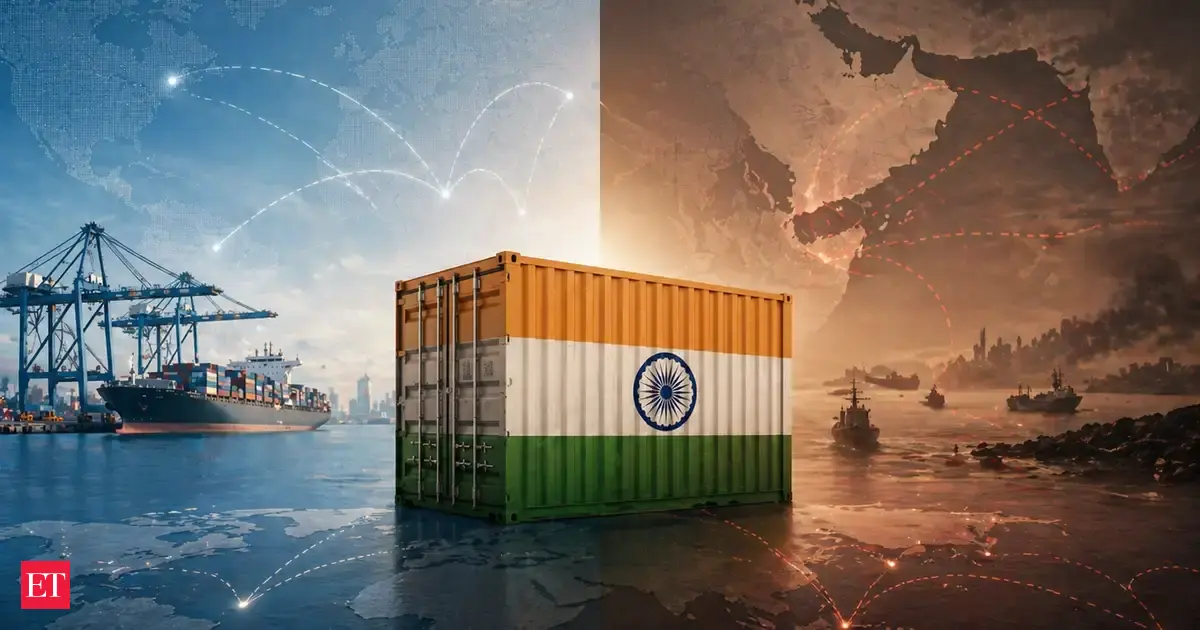
Why it matters globally: India is one of the world's fastest-growing major economies and represents a significant alternative trade partner at a moment when U.S. and Chinese supply chains are under stress. New Delhi's FTA strategy — particularly the UK deal, which cuts fruit tariffs and expands visa provisions — could accelerate India's integration into global value chains. The New Zealand-India pact, which reduces agricultural tariffs and offers expanded visa access, is also being watched as a model for linking South and Southeast Asian economies to Pacific markets.
However, analysts caution that execution challenges remain significant: legal harmonization, domestic political resistance in partner countries, and geopolitical shocks (including ongoing regional conflicts) all threaten to delay the economic benefits these deals promise. If India successfully navigates this phase, it stands to become a major beneficiary of the global trade diversification trend.
What to Watch Next Week
-
July 31, 2026 Pharmaceutical Tariff Countdown: With the 100% Section 232 tariff on drugs and APIs now formally announced (April 2 proclamation), watch for congressional pushback, pharma industry lobbying, and potential executive modifications in the coming weeks. The next major milestone will be any formal WTO dispute filings by trading partners, likely in May.
-
EU-China Industrial Policy Standoff: After Beijing's retaliation threat and Brussels' defiant response (April 30), the next step is whether either side moves from rhetoric to formal trade actions — such as additional EU anti-subsidy investigations or Chinese countermeasures targeting European luxury goods, agricultural products, or services. Watch for announcements in the week of May 4–8.
-
EU-U.S. Digital Dialogue Launch: Commissioner Šefčovič's April 30 announcement of an EU-U.S. digital dialogue framework opens a new negotiating track. Watch for details on the scope and timeline of talks, as well as U.S. Trade Representative responses. Initial technical consultations are expected before the end of May.
-
India FTA Ratification Progress: Parliamentary timelines in both the UK and India for the bilateral trade agreement ratification will be closely watched. Any scheduling of formal ratification votes — or delays — will signal how quickly the post-tariff-war trade diversification agenda can be operationalized in one of the world's largest economies.
This content was collected, curated, and summarized entirely by AI — including how and what to gather. It may contain inaccuracies. Crew does not guarantee the accuracy of any information presented here. Always verify facts on your own before acting on them. Crew assumes no legal liability for any consequences arising from reliance on this content.
Powered by
