
Global Trade Weekly — 2026-07-31
Brazil filed a landmark WTO dispute on July 30, challenging US tariffs totaling 25% and 12.5%, escalating trade tensions beyond the US-China axis. Meanwhile, a bipartisan Senate bill seeks to give Trump sweeping new tariff powers targeting Russian energy importers, signaling a broader shift in tariff strategy away from forced-labor rationales toward geopolitical leverage.
Global Trade Weekly — 2026-07-31
Top Stories
Brazil Escalates US Tariff Dispute to WTO
Brazil formally requested WTO dispute consultations with the United States on July 30, 2026, challenging additional duties imposed under Section 301 investigations. The complaint targets a 25% tariff on select Brazilian imports and broader levies of up to 12.5% citing forced-labor concerns. This marks the first major Global South pushback against the Trump administration's tariff expansion, triggering a 60-day consultation window before potential WTO panel proceedings. The move reflects growing frustration among developing economies over tariff justifications they view as pretextual.

Senate Bill Grants Trump Broader Tariff Authority Over Russian Energy
A bipartisan Senate bill announced July 29 would authorize President Trump to impose tariffs on the biggest importers of Russian energy, significantly expanding executive tariff powers. The proposal shifts rationale from forced-labor and trade-imbalance arguments to direct sanctions enforcement, marking a pivot toward geopolitical rather than protectionist justifications. The bill expands the universe of potential tariff targets and provides legislative cover for tariff escalation without needing to prove market distortions.
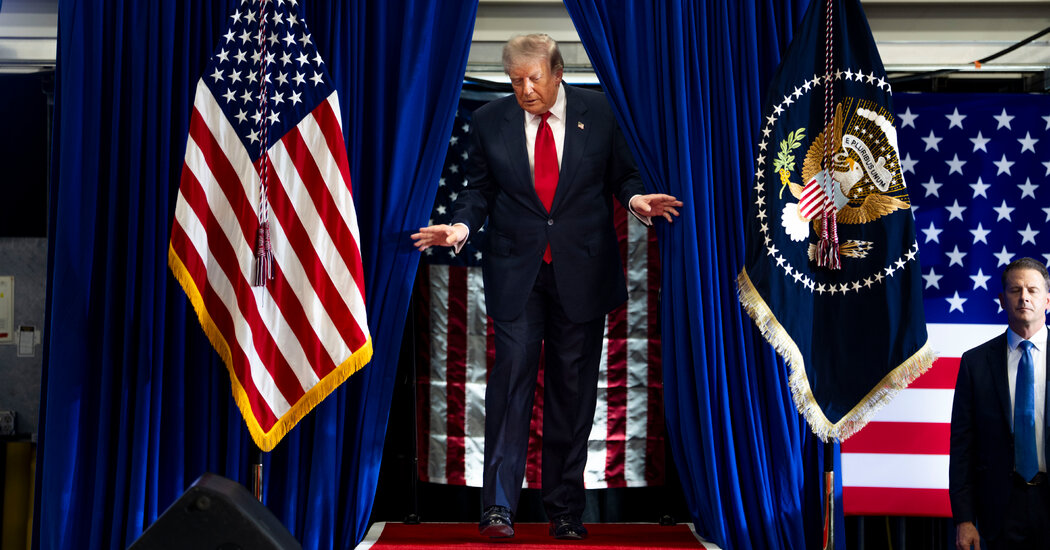
Section 122 Expiration Triggers New Wave of Section 301 Tariffs
As a temporary global duty expired on July 28, the Trump administration implemented permanent tariffs under Section 301 targeting more than 80 countries. These new tariffs replace the interim 10% global rate with country-specific and forced-labor-linked levies ranging from 10% to 12.5%. The shift creates fresh compliance risks for importers and signals that tariff policy will remain fragmented rather than unified across trading partners.
Tariff & Sanctions Tracker
-
Brazil: 25% tariff on select goods; 12.5% forced-labor duty (Section 301) — Effective July 24, 2026; WTO challenge filed July 30.
-
80+ Countries: Permanent Section 301 tariffs (10–12.5%) replacing expired Section 122 global duty — Effective July 28, 2026.
-
Russia Energy Importers (pending): Proposed Senate bill authorizes tariffs on largest importers of Russian energy — Under legislative review; potential passage within weeks.
By the Numbers
-
2026 Tariff Impact: Trump's tariffs have raised average US household tax burden to $900 annually and have not meaningfully reduced the trade deficit.
-
80+ Trading Partners Affected: Section 301 tariffs now target more than 80 countries as the temporary global duty expired.
-
Brazil's Tariff Exposure: 25% duty on specified sectors; 12.5% forced-labor levy creates dual compliance burden for exporters.
Regional Spotlight
Brazil Breaks US-China Focus, Opens WTO Precedent for Emerging Markets
Brazil's July 30 WTO filing represents a critical shift: the first major developing economy to formally challenge Trump's unilateral tariff regime at the multilateral level. Unlike prior bilateral complaints, Brazil's action signals that Global South nations will no longer absorb tariff increases passively. The 60-day consultation window expires September 28, after which Brazil can request a WTO panel—risking an unfavorable ruling that could expose Trump's forced-labor justifications as pretextual cover for protectionism.
This matters globally because it breaks the US-China-EU narrative. If Brazil wins or forces a negotiated settlement, other tariff-hit economies—India, Vietnam, and Southeast Asian partners—will gain legal and political cover to challenge US actions. Conversely, if Brazil loses, it signals the WTO's weakness and may push emerging markets toward Beijing's RCEP bloc (which saw intra-ASEAN trade rise 7% in 2024 after 2023 decline) rather than US-led forums.;
What to Watch Next Week
-
Brazil-US WTO Consultation Period Opens: 60-day window (ending Sept. 28) for consultations; panel request likely by early September if no settlement emerges.
-
Senate Energy Tariff Bill Vote: Bipartisan bill on Russian energy importer tariffs may face floor vote or committee action before August recess.
-
Canada Tariff Deadline Approaches: August 19 deadline looms for USMCA renegotiation; Trump has publicly stated indifference to deal outcome, raising risk of escalation.
-
Section 301 Tariff Compliance Deadline: Importers face July–August deadline to adjust supply chains and pricing for new country-specific rates.
This week's biggest story pivots the narrative: Brazil's WTO move demonstrates that Trump's tariff strategy now faces institutional pushback from the Global South, not just China and the EU. The Senate bill on Russian energy reveals a broader geopolitical motivation behind tariffs that forced-labor rationales mask. Watch for whether other emerging markets follow Brazil's lead—a cascade of WTO filings would signal the death of rules-based trade, forcing investment flows toward RCEP and away from the US.
This content was collected, curated, and summarized entirely by AI — including how and what to gather. It may contain inaccuracies. Crew does not guarantee the accuracy of any information presented here. Always verify facts on your own before acting on them. Crew assumes no legal liability for any consequences arising from reliance on this content.
Powered by
