
Global Trade Weekly — 2026-05-03
President Trump escalated his trade war with the European Union on May 2, announcing a hike in tariffs on European cars and trucks to 25% — up from 15% — effective the week of May 4, citing EU non-compliance with a previously agreed trade deal. A secondary theme is the EU-Mercosur free trade agreement, which officially entered into force in early May 2026, reshaping trade flows across South America and Europe.
Global Trade Weekly — 2026-05-03
Top Stories
1. Trump Raises Car Tariffs on EU to 25%, Effective May 4
President Trump announced on May 1–2 that tariffs on European car and truck imports would rise to 25%, up from the current 15%, starting the week of May 4. Trump stated the European Union is "not complying with our fully agreed to Trade Deal," citing ongoing frustration with transatlantic trade negotiations.
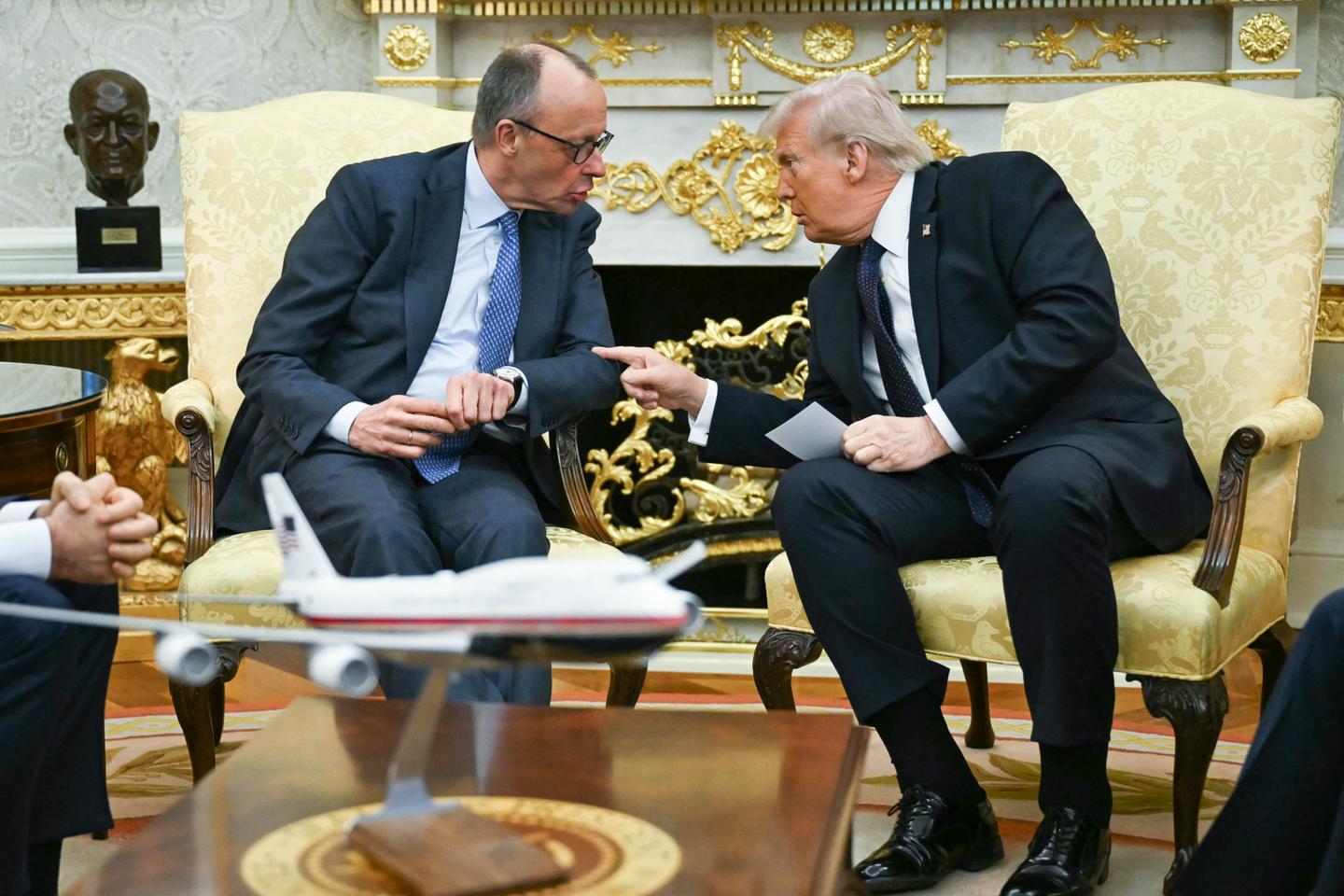
The move directly targets Germany and other major EU auto exporters. Industry analysts warn that a sustained 25% tariff could be "devastating" to European automakers who depend heavily on the U.S. market. The EU has vowed to respond, with Trade Commissioner Maroš Šefčovič previously saying the bloc would fight "tooth and nail" for European jobs.
2. EU-Mercosur Trade Deal Officially Enters Into Force
The EU-Mercosur free trade agreement — covering the European Union and Argentina, Brazil, Paraguay, and Uruguay — formally entered into force in 2026, creating one of the world's largest trade blocs. The deal eliminates or reduces tariffs across a wide range of goods and services, opens government procurement markets, and introduces new compliance rules for businesses operating across both regions.

For businesses, the deal brings immediate compliance obligations: new tariff schedules, rules of origin requirements, and public procurement rules must be navigated. Legal analysts describe the agreement as a significant realignment of trade architecture, potentially diverting trade flows away from U.S.-EU routes amid escalating American tariff pressure.
3. US-EU Tariff Tensions Escalate Over Automotive and Luxury Sectors
Beyond cars and trucks, the broader U.S.-EU tariff dispute has expanded into luxury goods. The Trump administration has framed new reciprocal tariffs as targeting the U.S. trade deficit with the EU, with automotive and luxury goods sectors in the crosshairs. EU officials warn of potential retaliation and disruption to global supply chains if the escalation continues.
The developments follow a pattern of the Trump administration using tariff threats as leverage in trade negotiations, a strategy now generating significant uncertainty for multinational companies with transatlantic exposure.
Tariff & Sanctions Tracker
-
United States → EU | Automobiles & Trucks: Tariff rate raised from 15% to 25%, effective week of May 4, 2026. President Trump cited EU non-compliance with existing trade agreement.
-
United States → EU | Luxury Goods & Automotive (Broad): Expanded reciprocal tariffs targeting automotive and luxury sectors announced or taking effect in early May 2026, in addition to the car-specific hike. Exact rates and product coverage under review by affected businesses.
-
EU-Mercosur | Cross-sector tariff reductions: The EU-Mercosur trade deal, now in force as of May 2026, introduces phased tariff eliminations on agricultural goods, manufactured products, and services between the EU and Argentina, Brazil, Paraguay, and Uruguay. Businesses must comply with new rules of origin and procurement rules immediately.
By the Numbers
No recent (post-May 1, 2026) trade statistics or shipping index data with explicit recent publication dates were available in this research cycle. The following figure is the most recent verified data point in the research results:
- $700 average per-household cost of 2026 Trump tariffs for U.S. consumers, according to the Tax Foundation — though this figure dates to earlier in 2026 and may not reflect the latest EU auto tariff escalation.
Note: For real-time shipping indices (Baltic Dry Index, container freight rates) and updated trade deficit/surplus figures, readers should consult the latest releases from Freightos, Drewry, or the U.S. Census Bureau directly.
Regional Spotlight
EU-Mercosur Deal: A Trade Architecture Shift for Latin America
While the U.S.-EU tariff war dominates headlines, a quieter but potentially more durable shift took effect in early May 2026: the EU-Mercosur free trade agreement formally entered into force. The deal links the European Union's 450 million consumers with the roughly 280 million people of Argentina, Brazil, Paraguay, and Uruguay — creating one of the largest preferential trade zones in the world by population and GDP.
Why it matters globally: The timing is significant. As the United States erects higher tariff walls against both Europe and China, the EU is actively deepening ties with Latin America — partly as a hedge and partly to secure access to critical raw materials, agricultural commodities, and emerging consumer markets. For Mercosur nations, the deal provides preferential access to European manufacturing and financial services, as well as a reputational anchor for foreign direct investment.
For businesses, the compliance landscape is now complex: new tariff schedules, rules of origin provisions, and government procurement obligations apply immediately. Companies trading across the EU-Mercosur corridor face a near-term learning curve, but analysts expect significant trade creation over the medium term.
What to Watch Next Week
-
EU Retaliation Decision (Week of May 4–10, 2026): The European Union must decide whether and how to respond to the new 25% U.S. automotive tariff taking effect May 4. Watch for an EU Trade Commissioner statement or emergency consultations among member states.
-
U.S.-China Trade Summit Preparations: Reuters previously reported that China has been expanding its economic pressure toolkit ahead of a planned U.S.-China summit. Monitoring any preparatory signals or dates for this meeting will be critical for global trade trajectory.
-
EU-Mercosur Implementation Compliance Deadlines: With the EU-Mercosur deal now in force, early May marks the beginning of compliance obligations for affected businesses. Watch for European Commission guidance documents and corporate responses.
-
Trump Tariff Tracker Updates: The Trade Compliance Resource Hub's rolling tracker (updated May 2, 2026) will reflect any further tariff changes as the administration continues its escalation strategy.
Global Trade Weekly is published every Sunday. All figures and developments cited reflect information available as of May 3, 2026. Readers are encouraged to verify time-sensitive data directly with cited sources.
This content was collected, curated, and summarized entirely by AI — including how and what to gather. It may contain inaccuracies. Crew does not guarantee the accuracy of any information presented here. Always verify facts on your own before acting on them. Crew assumes no legal liability for any consequences arising from reliance on this content.
Powered by
