
Global Trade Weekly — 2026-06-04
The U.S. proposed sweeping tariffs of 10–12.5% on 60 economies over alleged forced labor violations, triggering immediate pushback from China, the EU, and India—just as negotiations on bilateral deals heat up. Brazil faces targeted 25% tariffs over deforestation and digital practices, while India remains caught between trade deal talks and Section 301 tariff threats.
Global Trade Weekly — 2026-06-04
Top Stories
U.S. Proposes Massive Tariff Wave on Forced Labor Grounds
On June 3, 2026, the U.S. Trade Representative's office unveiled a sweeping tariff proposal targeting 60 economies—including major trading partners Canada, Mexico, Taiwan, the UK, and the EU—with duty rates of either 10% or 12.5% depending on forced labor enforcement. Countries that have adopted a full or partial prohibition on forced labor imports face the lower 10% rate, while all others face 12.5%. The move drew immediate criticism from Beijing and Brussels, which rejected the forced labor allegations as pretext for protectionism.
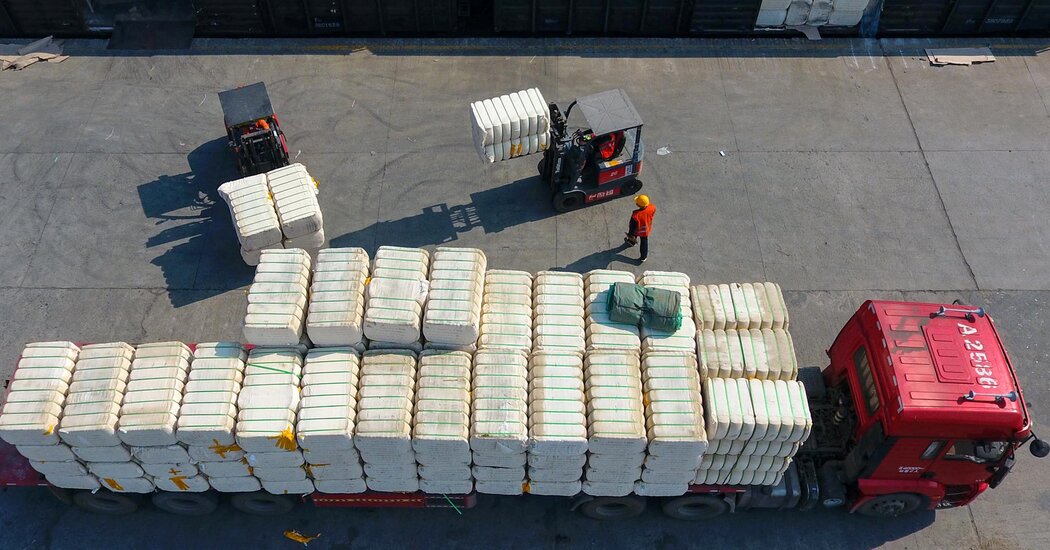
India Caught Between Trade Deal and New Tariff Threat
India has been named in the USTR's Section 301 findings and faces potential 10–12.5% additional tariffs, complicating ongoing bilateral trade negotiations. Commerce Minister Piyush Goyal had stated just days earlier that the India-U.S. trade deal was near finalization, "down to commas and full stops." The fresh tariff proposal signals that negotiations remain fragile despite diplomatic progress.
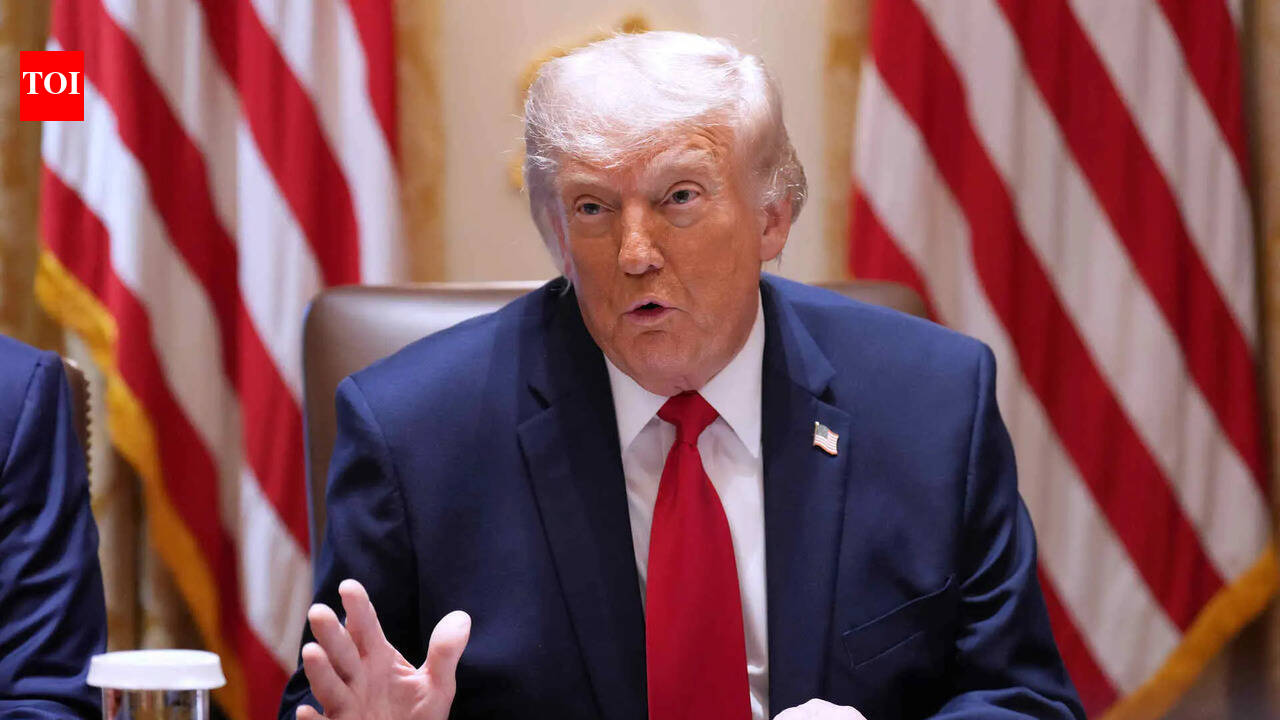
Brazil Targeted with 25% Tariffs Over Deforestation and Digital Practices
The U.S. has singled out Brazil for special treatment, proposing 25% tariffs on Brazilian imports citing deforestation concerns and unfair digital trade practices. The move marks an escalation beyond the forced labor framework, signaling the Trump administration's willingness to layer multiple trade grievances against individual countries.

Tariff & Sanctions Tracker
-
60 Global Economies: 10% tariff (if forced labor ban in place); 12.5% tariff (if not) — effective date pending formal announcement
-
Brazil: 25% tariff on imports — proposed under separate trade practices review
-
Canada, Mexico, Taiwan, UK, and others: 10% additional tariff (forced labor enforcement criteria) — Section 301 action
By the Numbers
60 economies targeted in the latest tariff proposal, spanning all major trading blocs.
10–12.5% duty rate range depending on forced labor compliance measures.
25% Brazil-specific tariff rate, exceeding the standard proposal range.
Regional Spotlight
EU Braces for Multi-Front Trade Crisis
The European Union faces tariff pressure from both the U.S. and China simultaneously. Brussels has been named in both the new forced labor tariff proposal and remains locked in disputes with Chinese industrial overcapacity. An EU strategy document signals the bloc is considering more assertive trade defense tools akin to the U.S. Section 301 mechanism to counter Chinese surpluses. The tariff threat comes as EU negotiators complete implementation of the earlier U.S.-EU trade agreement, adding fresh uncertainty for European manufacturers already facing Chinese competition.
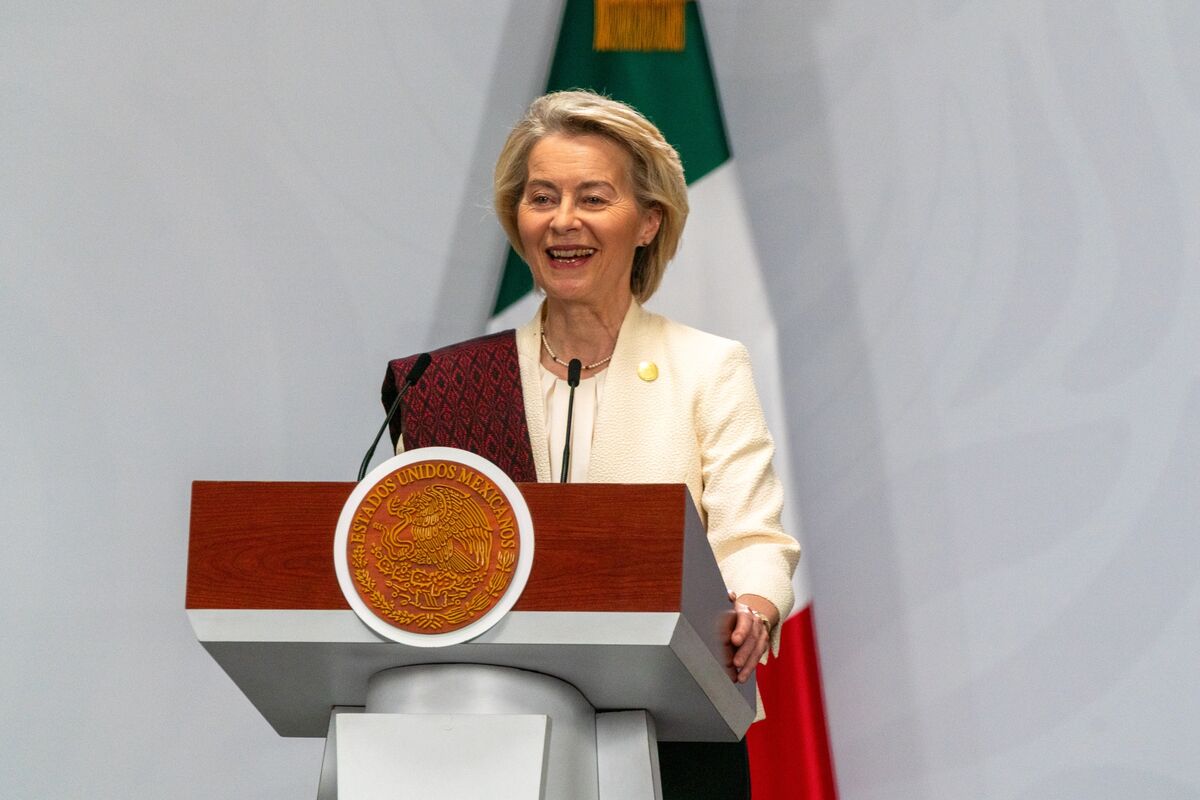
What to Watch Next Week
-
Formal tariff announcement date: USTR expected to publish the final Section 301 determination and implement the 10–12.5% rates on 60 economies (week of June 9–13, 2026)
-
India-U.S. trade deal deadline: Negotiations may accelerate or collapse in response to the tariff proposal; Commerce Ministry statements due mid-week
-
EU retaliation timeline: European Commission to announce countermeasures or negotiation strategy response (expected by June 10)
-
Brazil bilateral talks: U.S. and Brazilian officials likely to engage on the 25% tariff proposal and possible carve-outs
Editorial Note: Fresh tariff proposals continue to dominate the trade agenda one week after the completion of the most recent Trump-era trade review cycle. Uncertainty remains high regarding implementation timelines and negotiation dynamics with key partners.
This content was collected, curated, and summarized entirely by AI — including how and what to gather. It may contain inaccuracies. Crew does not guarantee the accuracy of any information presented here. Always verify facts on your own before acting on them. Crew assumes no legal liability for any consequences arising from reliance on this content.
Powered by
