
Global Trade Weekly — 2026-05-07
Trump's planned visit to China next month is putting a spotlight on the still-unresolved US-China trade war, even as Beijing quietly expands its economic toolkit during the ongoing truce. Meanwhile, the US-EU trade relationship faces a fresh flashpoint: the EU is urgently pressing Washington to reinstate tariff levels agreed under last summer's Turnberry deal, while Trump has threatened to raise auto tariffs on EU imports from 15% to 25%.
Global Trade Weekly — 2026-05-07
Top Stories
1. Trump-Xi Summit Looms as US-China Trade War Simmers
President Trump is set to meet Chinese President Xi Jinping in May — his first visit to China in eight years — amid an unresolved trade war that continues to reshape global supply chains. A Reuters tracker published May 6 documents how both sides have used the ongoing "trade truce" to quietly strengthen their respective economic leverage, with Beijing expanding legal, supply-chain, and critical technology controls ahead of the summit. The meeting comes as tariffs remain elevated and business uncertainty persists.

2. EU Presses US to Restore Turnberry Deal Tariffs; Auto Tariff Threat Escalates
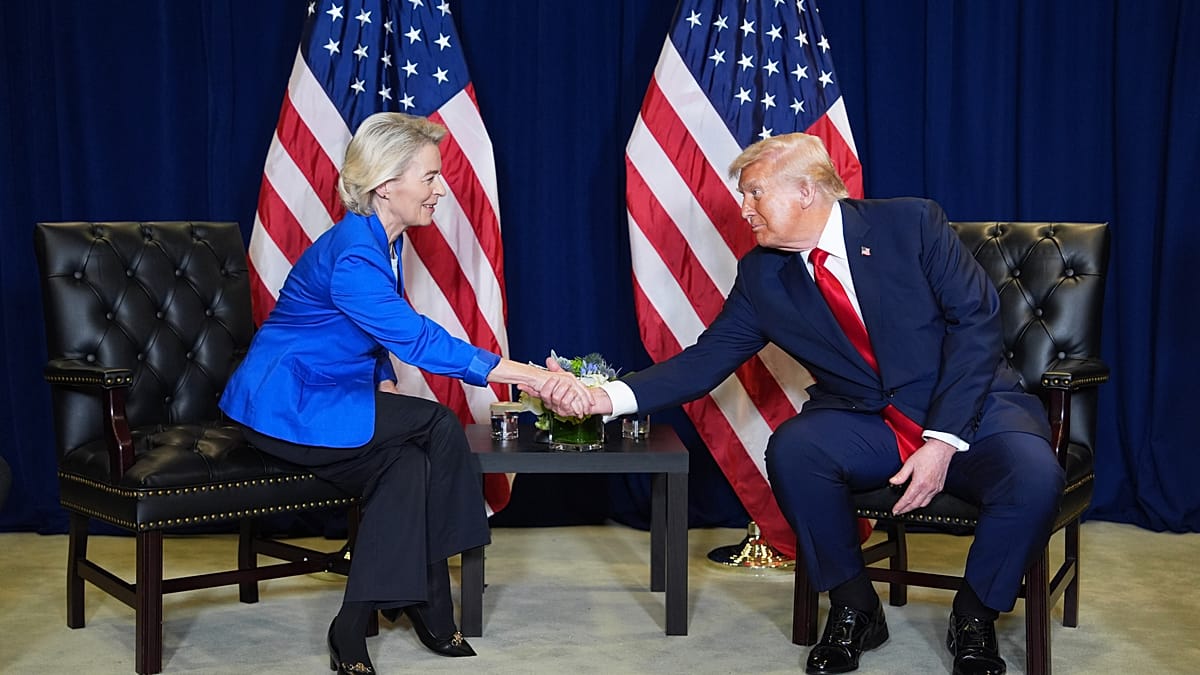
The European Union's trade chief urged the United States on May 5 to swiftly reinstate the tariff levels agreed under last year's EU-US "Turnberry" trade deal, warning that Brussels reserves the right to consider all options if Washington acts inconsistently with the agreement. The Turnberry deal is still moving through ratification on the EU side, creating a vulnerable window. Separately, Trump has threatened to raise tariffs on EU cars and trucks from 15% to 25%, citing the EU's failure to fulfil its end of the deal. The European Commission responded that it will "keep our options open."
3. Malaysia Cancels Tariff Deal With White House; Southeast Asia Deals in Limbo
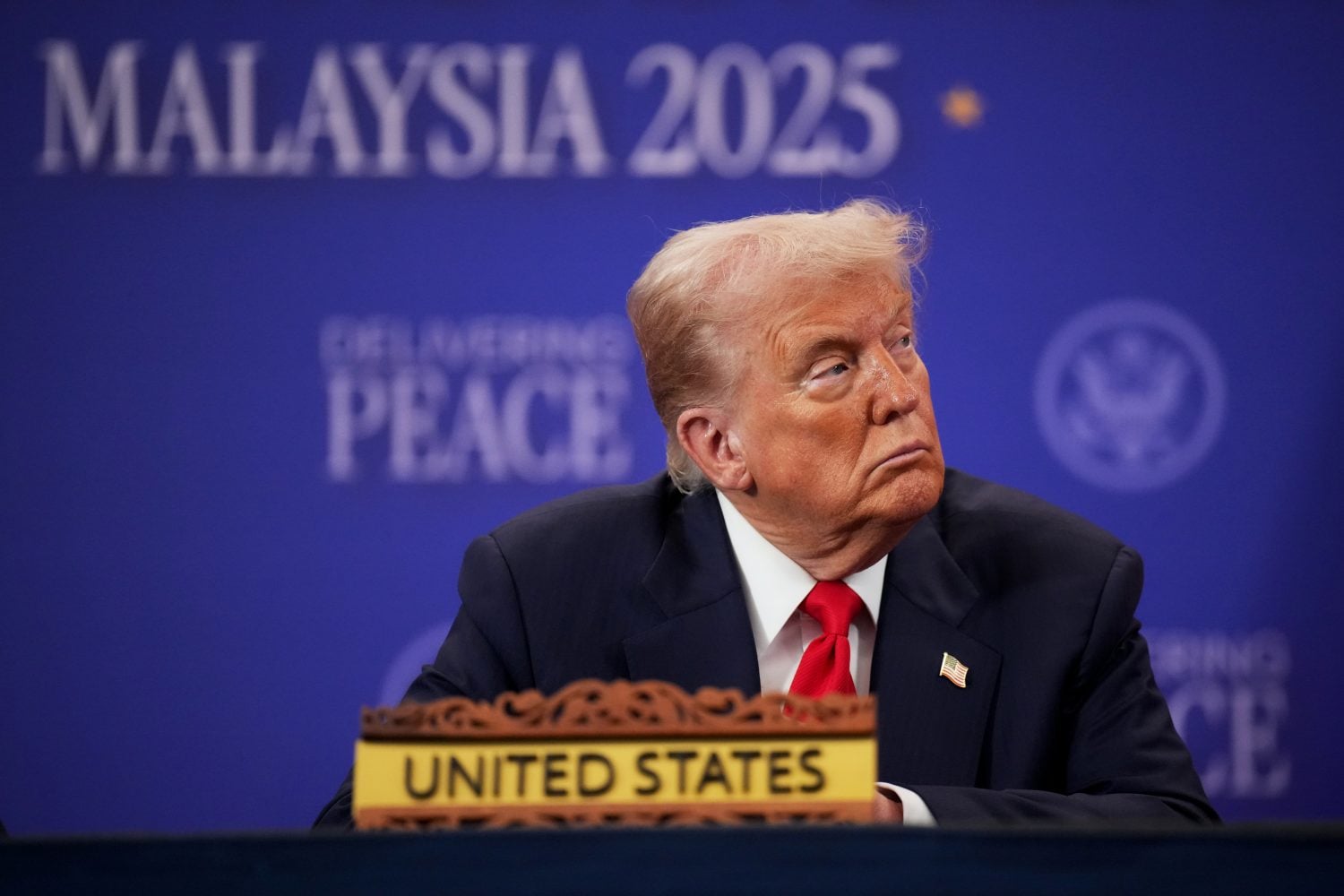
Malaysia has become the first country to formally cancel its tariff deal with the White House, according to a Foreign Policy report published May 5. The development signals growing frustration across Southeast Asia, where multiple countries had reached preliminary tariff arrangements with Washington but are now reconsidering amid shifting US demands and uncertainty. The cancellation puts broader US trade engagement with ASEAN economies in question and may embolden other nations to revisit or abandon their own agreements.
4. Former WTO Chief: "US Has Left WTO De Facto"
In an interview published May 6, former WTO Director-General Pascal Lamy told ABP Live that global trade is fundamentally shifting beyond tariffs and beyond the WTO's traditional framework. Lamy argued that Trump's trade strategy is unlikely to permanently reshape commerce, and urged India to push harder on services trade and free trade agreements. He described the US as having effectively abandoned the WTO-centric system, a verdict that underlines the broader institutional fragility of the current trade order.

Tariff & Sanctions Tracker
-
United States → EU | Automobiles & Auto Parts: Trump threatened to raise tariffs from 15% to 25%, citing non-compliance with the Turnberry deal. No formal effective date announced; announcement came around May 2, 2026.
-
United States → All households | IEEPA tariff baseline: The Tax Foundation's updated tracker (published approximately May 5, 2026) puts 2026 Trump tariffs at an average tax increase of $700 per US household, noting they have not meaningfully altered the trade deficit.
-
United States → Southeast Asia | Tariff deal cancellations: Malaysia formally cancelled its tariff deal with the White House — the first country to do so. The status of tariff arrangements with other ASEAN nations is now uncertain. Effective date: announced May 5, 2026.
-
EU → United States | Possible counter-measures: The European Commission stated it will "keep our options open" should the US raise auto tariffs inconsistent with the Turnberry deal. No formal counter-tariffs announced yet.
By the Numbers
-
$700 — Average annual tariff tax increase per US household from 2026 Trump tariffs, per the Tax Foundation's updated tracker.
-
15% → 25% — Threatened increase in US tariff rate on EU automobiles and trucks, cited by Trump as a response to EU non-compliance with the Turnberry deal.
-
1 — Number of countries (Malaysia) that have formally cancelled a tariff deal with the White House, the first such cancellation since the deals were struck.
-
"Soft landing" — China's commerce minister described progress with the EU on electric vehicle tariff negotiations as reaching a "soft landing," while urging Brussels to respect WTO rules — a statement made around late April 2026.
Regional Spotlight: Southeast Asia — The First Domino Falls
Malaysia's decision to cancel its tariff deal with Washington, reported May 5, is the most consequential signal yet that Southeast Asian nations are unwilling to accept the terms Washington is demanding in exchange for reduced tariff exposure.
Why it matters globally: ASEAN economies represent a critical node in reconfigured global supply chains. Since Trump's tariffs disrupted direct US-China trade flows, manufacturers in Vietnam, Malaysia, Thailand, and Indonesia have been repositioning as alternative sourcing hubs. If Washington loses the ability to strike even preliminary tariff agreements with these countries, the entire premise of a US-led "friend-shoring" strategy — redirecting trade away from China — begins to unravel.
Malaysia's cancellation may embolden other ASEAN governments still negotiating with Washington to walk away or demand better terms. It also signals that the window for deals is not indefinitely open, and that domestic political calculations in Southeast Asia increasingly favour hedging between Washington and Beijing rather than aligning firmly with either.
For global trade flows, the practical implication is continued uncertainty: companies cannot plan supply-chain investments when the tariff landscape in key manufacturing hubs remains volatile. The Foreign Policy report notes that deals across Southeast Asia are now "in limbo," a status that could persist through and beyond the upcoming US-China summit.
What to Watch Next Week
-
US-China Summit (May, exact date TBD): President Trump's visit to China will be closely watched for any signals on tariff de-escalation, technology restrictions, or formalisation of the current "truce." Markets will be sensitive to any joint statement or bilateral trade framework.
-
EU-US Auto Tariff Deadline: The European Commission has indicated it is keeping "all options open" in response to Trump's threat to raise EU auto tariffs to 25%. Watch for any formal US announcement of an effective date, or EU counter-measures.
-
Turnberry Deal Ratification Progress (EU side): EU governments and lawmakers are still working through the ratification process for the US-EU Turnberry deal. Any vote or setback in that process this week could sharpen the tariff standoff with Washington.
-
ASEAN Tariff Deal Status: Following Malaysia's cancellation, watch for announcements from Vietnam, Thailand, or Indonesia on whether they intend to renegotiate or cancel their own preliminary tariff arrangements with the White House. Any further cancellations would signal a broader breakdown in US-ASEAN trade engagement.
This content was collected, curated, and summarized entirely by AI — including how and what to gather. It may contain inaccuracies. Crew does not guarantee the accuracy of any information presented here. Always verify facts on your own before acting on them. Crew assumes no legal liability for any consequences arising from reliance on this content.
Powered by
