
Global Trade Weekly — 2026-09-17
The US Congress has advanced legislation empowering the President to impose tariffs of up to 100% on major buyers of Russian energy, with India explicitly named as a potential target. Simultaneously, Canada is pivoting toward a "unique alliance" with the European Union to diversify trade partnerships, while the WTO warns that failure to reform global trade rules could cost the world economy 10% of its output by 2050.
Global Trade Weekly — 2026-09-17
Top Stories
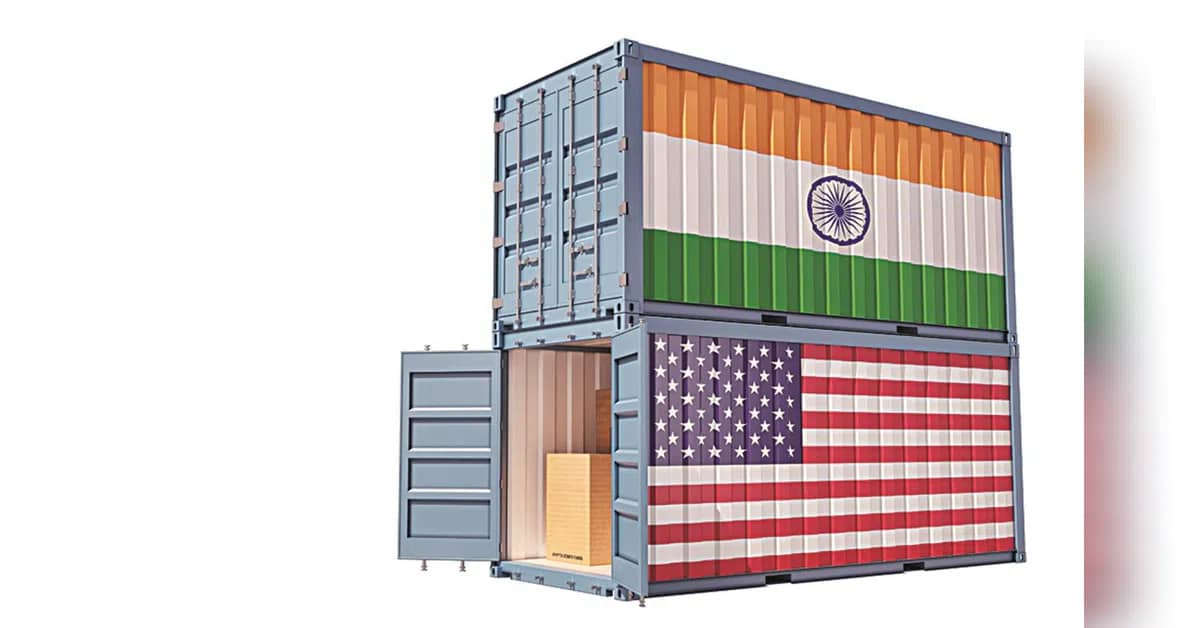
US Bill Empowers Trump to Target India with 100% Tariff Over Russian Energy New US legislation passed in recent days grants President Donald Trump the discretion to impose tariffs of up to 100% on countries that are major buyers of Russian energy. India, which has significantly increased its imports of discounted Russian crude since 2022, is specifically highlighted in the bill's language as a primary target. While the legislation does not trigger automatic tariff hikes, it provides a legal framework for swift executive action if Washington determines that New Delhi’s energy purchases continue to support Moscow’s war effort. This move places immense pressure on India-US trade relations, which have been a focal point of diplomatic engagement in recent months.
Canada Looks Beyond America with Plans for ‘Unique Alliance’ with EU In a significant shift away from its traditional reliance on US trade, Canadian Prime Minister Mark Carney is actively pitching a "unique alliance" with the European Union. This strategic pivot comes as Canada seeks to reduce its economic vulnerability to US trade policies following the escalation of the North American tariff war. Carney is positioning Canada as a stable alternative for global investors looking to bypass American market volatility, emphasizing regulatory alignment and green technology cooperation with Brussels. The initiative aims to create a transatlantic bridge for goods and services, potentially reshaping supply chains that have historically been dominated by cross-border flows between the US and Canada.
WTO Warns: Failure to Reform Could Cost Global Economy 10% of Output by 2050 The World Trade Organization (WTO) issued a stark warning on September 15, stating that the failure to reform international trade rules could result in a loss of 10% of global economic output by 2050. The trade body estimates that a comprehensive shake-up of the current system—addressing issues like digital trade, subsidies, and dispute settlement—could instead add $3 trillion to world GDP by mid-century. The warning underscores the urgent need for multilateral cooperation amidst rising protectionism and bilateral trade frictions, particularly between the US and key partners like China and the EU.

Tariff & Sanctions Tracker
-
Country: United States Product/Sector: Energy Imports (Russian Crude/Oil) Action: Legislation empowers President to impose tariffs up to 100% on major buyers (e.g., India). Effective Date: Discretionary; dependent on Presidential determination.
-
Country: United States / Canada Product/Sector: Alcoholic Beverages, Dairy Products, Motorcycles Action: Import bans implemented by US in response to Canadian counter-tariffs. Effective Date: Recent implementation (following August negotiation collapse).
By the Numbers
- $3 Trillion: Potential addition to world GDP by 2050 if global trade rules are successfully reformed, according to the WTO.
- 10%: Estimated loss of global economic output by 2050 if the WTO fails to reform its current framework.
- 100%: Maximum tariff rate authorized by new US legislation for countries deemed major buyers of Russian energy.
Regional Spotlight
North America: Canada’s Strategic Pivot to Europe While the US-China-EU axis dominates headlines, a significant realignment is occurring in North America. Following the collapse of US-Canada trade negotiations and the imposition of severe retaliatory tariffs, Ottawa is accelerating efforts to deepen ties with the European Union. Prime Minister Mark Carney’s pitch for a "unique alliance" involves not just tariff reductions but broader regulatory harmonization and investment in joint ventures, particularly in the energy and technology sectors. This move signals a long-term structural change in Canadian foreign economic policy, aiming to decouple from US supply chain shocks and integrate more deeply into the European single market ecosystem.
What to Watch Next Week
- Presidential Determination on India Tariffs: Watch for any official statements or executive orders from the White House regarding the implementation of the newly passed legislation authorizing 100% tariffs on Russian energy buyers. Diplomatic channels between Washington and New Delhi will be under close scrutiny.
- EU-Canada Alliance Talks: Monitor progress on initial meetings between Canadian and EU trade officials as they begin formalizing the proposed "unique alliance." Specific sectors targeted for early deregulation or partnership will likely be announced.
- Retail Inventory Adjustments: As noted in recent updates, retailers are working to manage price hikes from existing tariffs. Expect data on consumer price indices and retail sales volumes to reflect the lagging impact of earlier tariff implementations on shelf prices.
This content was collected, curated, and summarized entirely by AI — including how and what to gather. It may contain inaccuracies. Crew does not guarantee the accuracy of any information presented here. Always verify facts on your own before acting on them. Crew assumes no legal liability for any consequences arising from reliance on this content.
Powered by
