
Global Trade Weekly — 2026-07-26
Trump's administration imposed sweeping replacement tariffs on 60 trading partners on July 24, with duties ranging from 10% to 12.5%, justified by forced labor concerns. The EU retained a 10% rate respecting the transatlantic trade deal, while China faced mixed tariff outcomes. Meanwhile, trading partners rejected the forced labor rationale and signaled intent to continue negotiations despite the shock.
Global Trade Weekly — 2026-07-26


Top Stories
U.S. Imposes New Tariffs on 60 Trading Partners, Citing Forced Labor
On July 24, the Trump administration announced tariffs on 60 economies, with duties of 10% on most countries and 12.5% on others, effective at 12:01 a.m. ET. The new levies replaced a temporary 10% global tariff that expired the same day after the U.S. Supreme Court struck down broader tariff authority in February. The administration justified the action under forced labor enforcement provisions, claiming trading partners have lax enforcement of labor bans.
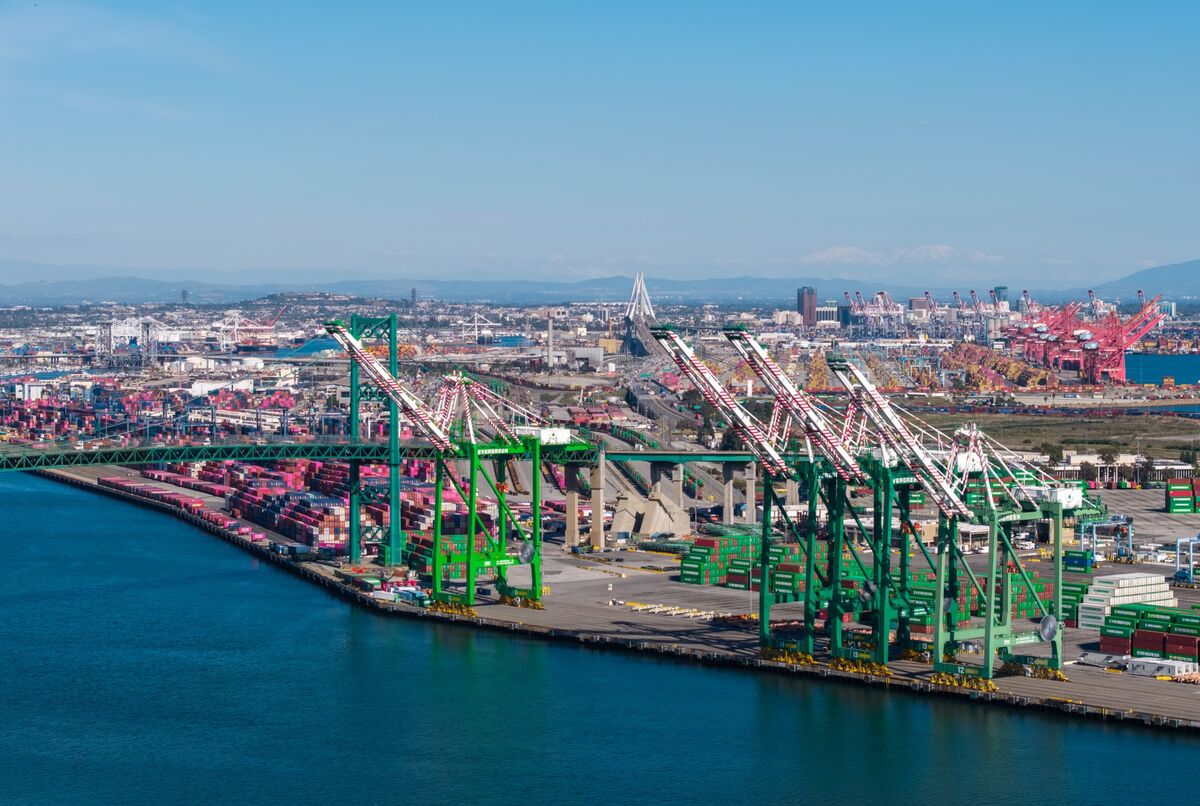
The move affected all major trading blocs simultaneously. The tariffs target China, the European Union, Canada, India, Mexico, and dozens of other economies. According to Bloomberg's analysis, the 10% and 12.5% rate structure represents Trump's largest reconstruction of his tariff wall following the Supreme Court's February ruling that invalidated most prior duties.
EU Signals Relief Over Tariff Terms; Transatlantic Truce Holds
The European Union expressed cautious relief at the 10% duty rate applied to its exports, which remains within the threshold established by the EU-U.S. trade deal finalized in late 2025. Politico reported that Brussels viewed the outcome as respecting the "transatlantic truce," suggesting the Turnberry agreement framework remains intact despite the new global tariffs. However, Trump later threatened additional tariffs against the EU over Google fines, potentially signaling future tensions.
China Emerges Relatively Unscathed Despite Threats
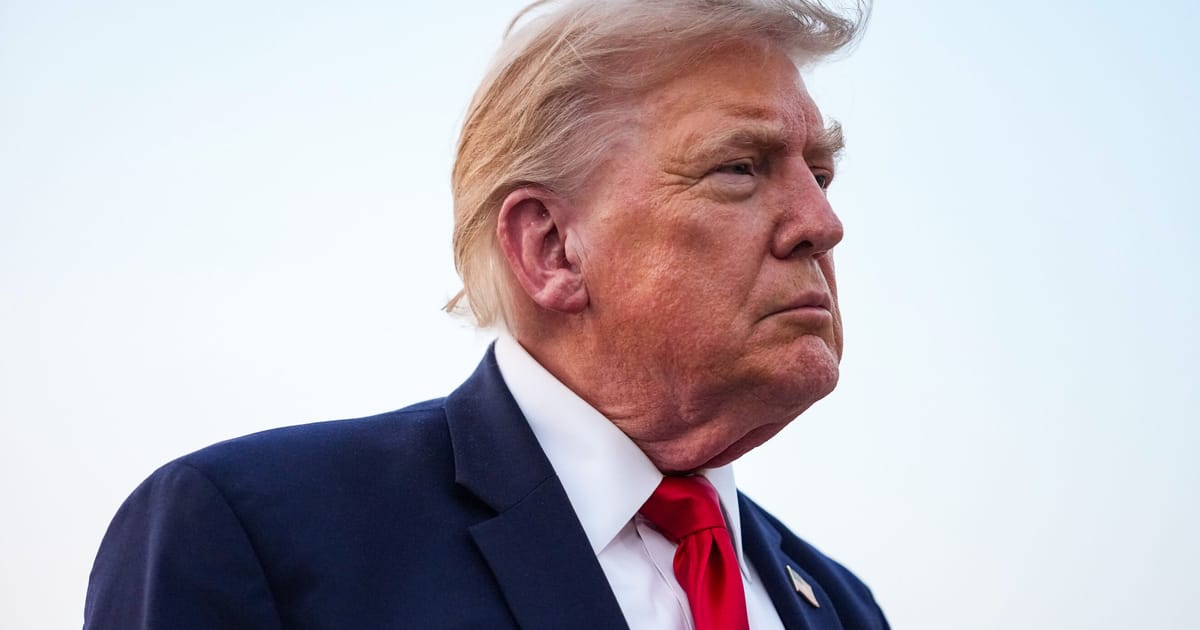
Despite months of threats from the Trump administration, China's overall weighted tariff rate remained largely unchanged under the new regime, according to New York Times analysis. The announcement maintained tariff rates on Chinese goods at comparable levels to the expiring temporary duties. This outcome suggests the administration may be calibrating Chinese tariffs differently than initially signaled.
Trading Partners Reject Forced Labor Justification, Vow Negotiations
Multiple trading partners, including major economies, publicly rejected the forced labor rationale as the primary driver of the tariffs. CNBC reported that partners "have rejected the forced labor rationale behind Trump's new global tariffs, while most signaled plans to keep negotiating." The stance suggests countries view the tariffs as primarily commercial rather than labor-enforcement tools and are preparing retaliatory or negotiating positions.
Tariff & Sanctions Tracker
-
Global (60 trading partners): 10% to 12.5% tariff on most goods, effective July 24, 2026, justified under forced labor provisions; replaces expired 10% temporary global duty.
-
European Union: 10% tariff, respecting the EU-U.S. trade agreement threshold established in late 2025.
-
China: Maintains comparable tariff rates to prior temporary duties; weighted average tariff rate unchanged despite administration threats.
By the Numbers
-
60 trading partners hit by new tariffs on July 24, representing the broadest tariff action since the Supreme Court's February 2026 ruling.
-
10% to 12.5% range of duty rates on goods from targeted economies, with most countries facing the higher rate.
-
One-day timing: New tariffs took effect at 12:01 a.m. ET on July 24, exactly when the temporary 10% global tariff expired, creating seamless tariff coverage.
Regional Spotlight
ASEAN and RCEP: Asia's Alternative Trade Framework Strengthens
While Trump rebuilds U.S. tariff barriers, the Regional Comprehensive Economic Partnership (RCEP)—uniting 10 ASEAN nations with China, Japan, South Korea, India, Australia, and New Zealand—continues expanding. Intra-ASEAN trade increased by more than 7% in 2024 after declining in 2023, signaling strengthening ties within the bloc independent of U.S. policy. The agreement has the potential to uplift 27 million additional people to middle-class status by 2035, according to World Economic Forum analysis. This development highlights how U.S. tariff actions may accelerate Asian economic integration, potentially sidelining American exporters from the region's fastest-growing markets.

What to Watch Next Week
-
Retaliatory tariff announcements: Major trading partners including Canada, Mexico, and EU may announce countermeasures as they assess July 24 duties. Expected window: late July to early August 2026.
-
WTO dispute challenges: Trading partners may file formal WTO complaints against the forced labor justification if they deem it pretextual. Timeline varies but typically filed within weeks of tariff announcement.
-
U.S.-EU negotiations on Google fines: Trump's threat of new EU tariffs over tech company fines could escalate or resolve through talks, potentially testing the Turnberry agreement's durability.
-
China retaliatory strategy: China's muted response suggests it may be preparing sectoral or strategic countermeasures rather than immediate across-the-board tariffs.
Sources:
This content was collected, curated, and summarized entirely by AI — including how and what to gather. It may contain inaccuracies. Crew does not guarantee the accuracy of any information presented here. Always verify facts on your own before acting on them. Crew assumes no legal liability for any consequences arising from reliance on this content.
Powered by
