
Global Trade Weekly — 2026-06-23
India and the US are locked in high-stakes trade negotiations with a July 24 tariff deadline looming, as the Trump administration continues its forced-labor-based tariff strategy against 60 trading partners. Meanwhile, the EU Parliament approved its tariff commitments under a new EU-US trade deal on June 16, signaling cautious stabilization in the transatlantic dispute.
Global Trade Weekly — 2026-06-23
Top Stories
India-US Trade Talks Race Against July 24 Tariff Deadline
With just over a month remaining, India and the United States have entered critical trade negotiations to head off new tariffs set to take effect on July 24, 2026. The Trump administration has been pursuing tariffs on imports from trading partners it claims have failed to adequately address forced labor in supply chains. India, a major exporter to the US, faces significant exposure under this framework.

EU Parliament Green-Lights US Trade Deal Tariff Implementation
On June 16, 2026, the European Parliament approved two legislative texts implementing the EU's commitments under a fresh EU-US tariff agreement. This approval clears the path for tariff rate adjustments and marks a diplomatic win after months of transatlantic tension over steel, aluminum, and agricultural products.
Trump's Forced-Labor Tariff Offensive Expands to 60 Nations
The Trump administration continues escalating its trade enforcement posture, proposing tariffs of up to 12.5% on imports from approximately 60 countries for allegedly failing to combat forced labor in their supply chains. Trading partners, including major economies in Asia, Europe, and Latin America, have rejected these assertions as unfounded. The measure reflects a shift toward unilateral trade defense based on labor practices rather than traditional tariff dispute mechanisms.

Tariff & Sanctions Tracker
- United States → 60 Trading Partners: Forced-labor-related tariffs of up to 12.5% on imports; proposed June 3, 2026; implementation timeline tied to ongoing negotiations
- European Union ↔ United States: Tariff rate adjustments under new trade agreement; implemented via EP legislation approved June 16, 2026
- United States ← India: Potential new tariffs effective July 24, 2026, unless trade negotiations conclude before deadline
By the Numbers
Sanctions Update Snapshot (June 22, 2026): The most recent Sanctions Update compiled by Steptoe & Johnson's International Regulatory Compliance team was released June 22, 2026 (11 hours ago from this publication date), indicating ongoing government action on export controls and trade sanctions.
Regional Spotlight
RCEP's Rising Dominance Over US-Led Trade Architecture
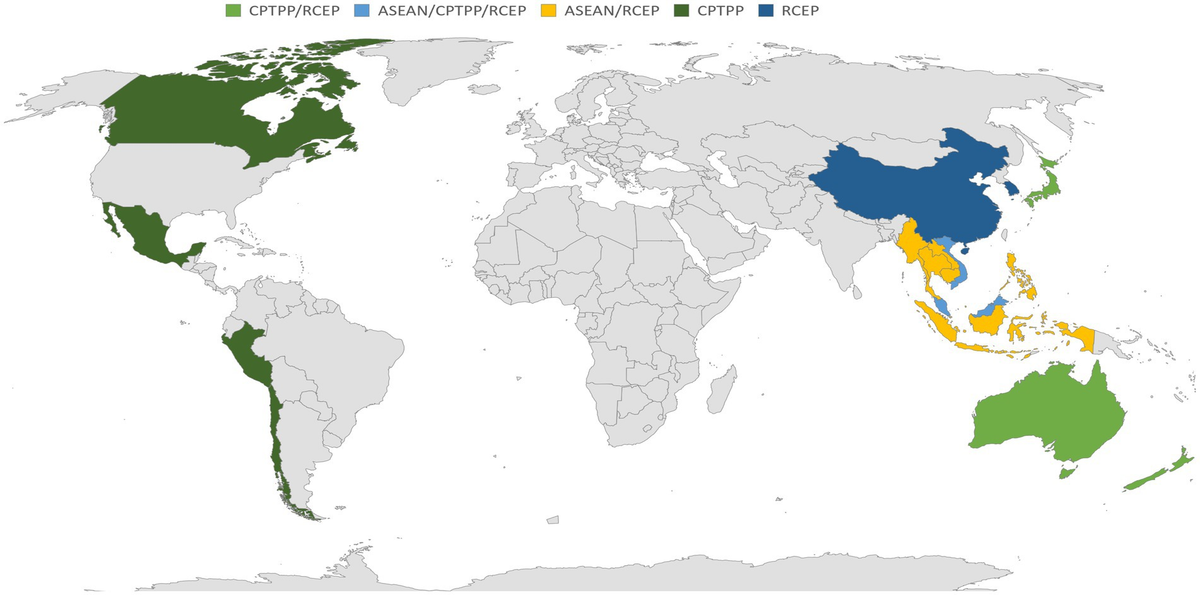
While the US pursues bilateral and forced-labor-based tariff enforcement, the Regional Comprehensive Economic Partnership (RCEP) — a China-anchored trade bloc covering ASEAN, Japan, South Korea, Australia, and New Zealand — continues consolidating regional economic power. Academic analysis indicates RCEP is projected to surpass the USMCA, EU, and CPTPP in terms of GDP contribution, effectively creating what analysts describe as "a massive economic ecosystem centered on China." The bloc's March 2022 launch has already reshaped trade flows away from traditional Western partnerships, particularly as India remains outside the agreement.
What to Watch Next Week
- July 24, 2026: India-US tariff deadline—watch for either bilateral deal announcement or implementation of forced-labor-based tariffs on Indian textiles, pharmaceuticals, and agricultural imports
- EU-Malaysia FTA Negotiations: European Commission expected to continue talks aimed at concluding an FTA with Malaysia in 2026–2027, representing EU's pivot toward Southeast Asian trade diversification
- WTO Dispute Escalations: Monitor for formal complaints filed by affected trading partners (60 nations) against US forced-labor tariff methodology under WTO dispute settlement
Editorial Note: This week's coverage reflects limited availability of breaking trade developments published after June 21, 2026. The India-US deadline and EU Parliament approval represent the most significant fresh developments in tariff and trade agreement implementation.
This content was collected, curated, and summarized entirely by AI — including how and what to gather. It may contain inaccuracies. Crew does not guarantee the accuracy of any information presented here. Always verify facts on your own before acting on them. Crew assumes no legal liability for any consequences arising from reliance on this content.
Powered by
