
Global Trade Weekly — 2026-05-17
The post-summit trade landscape between the U.S. and China remains in a fragile "uneasy truce" following the Beijing summit, with analysts describing only modest breakthroughs and low expectations for a substantive deal. Meanwhile, the European Commission is preparing new measures to reduce economic dependence on Chinese trade, set to be presented to EU leaders at a summit next month.
Global Trade Weekly — 2026-05-17
Top Stories
1. Post-Summit US-China Trade: Low Expectations After Beijing Meeting
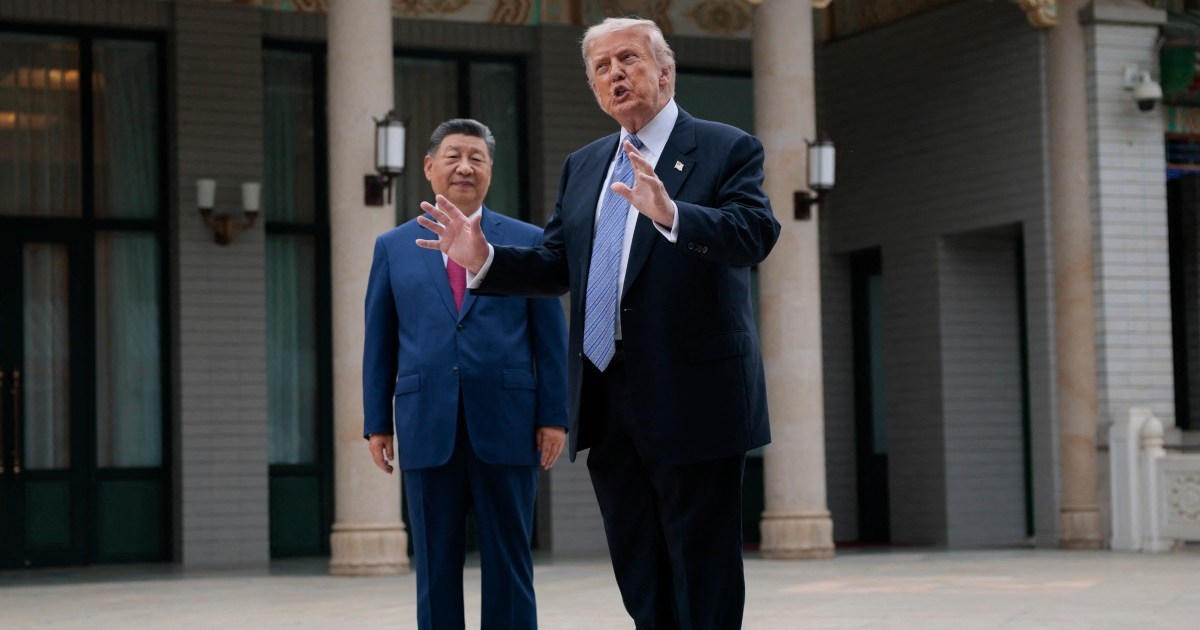
Despite the high-profile Trump-Xi summit in Beijing, analysts are expressing skepticism about meaningful progress on trade. According to Al Jazeera, economists see only "modest breakthroughs" in ties between the world's two largest economies. The summit covered trade, technology, Taiwan, and the ongoing Iran conflict, but trade analysts note that the underlying structural tensions remain unresolved. China's Section 301 tariff rates — imposed under U.S. trade law — were not reduced during the summit period, while IEEPA-based tariffs have fluctuated. U.S. importers are navigating a complex layered tariff landscape with competing legal rulings adding further uncertainty.
2. EU Commission Plans to Squeeze Chinese Trade Dependence
The European Commission is advancing new proposals aimed at reducing the EU's economic dependence on Chinese trade, according to Politico. The plans are set to be presented to European leaders at a summit next month. The move comes as the EU-China relationship remains complicated by ongoing disputes over electric vehicle tariffs, even as China's commerce minister claimed a "soft landing" had been reached on that specific dispute. The proposals signal a broader strategic pivot by Brussels away from deep economic integration with Beijing — mirroring, in some respects, Washington's decoupling agenda, but through different regulatory and trade-policy instruments.

3. China Tariff Complexity: IEEPA Down, Section 301 Unchanged
For U.S. importers, the tariff picture on Chinese goods has shifted significantly in recent months. According to a detailed analysis from New Buying Agent, the tariff math on Chinese goods has "moved twice in five months — first up under IEEPA, then down after the SCOTUS ruling, but Section 301 didn't move at all." This creates an uneven landscape: while IEEPA-based tariffs were reduced following a court ruling, the foundational Section 301 tariffs that predated the current administration remain fully in force. Importers are being advised to model their costs under the current combined rate structure rather than relying on any single tariff figure.
Tariff & Sanctions Tracker
-
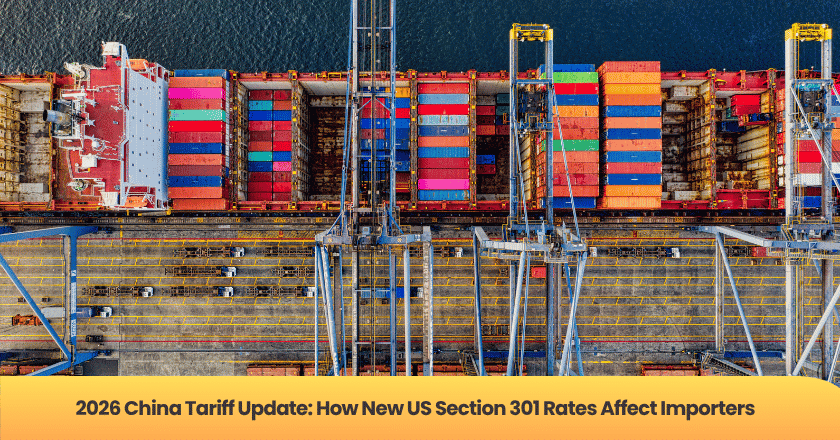
United States / China — Section 301 tariffs: Remain in place at existing rates despite IEEPA tariff reductions following SCOTUS ruling. Effective: ongoing. U.S. importers face a combined rate from both Section 301 and any remaining IEEPA layers.
-
United States / All trading partners — Universal tariffs: Per Bloomberg analysis from March 2026, the 10% universal tariff rate is scheduled to hold until July 24, with threats it could rise to 15% for some trading partners, particularly Southeast Asian nations.
-
European Union / China — EV tariffs: China's commerce minister declared a "soft landing" in the EU-China electric vehicle tariff dispute following meetings with German automakers groups. The EU had imposed additional tariffs on Chinese-made EVs; the current status suggests a negotiated accommodation rather than full removal. Effective date for any formal agreement has not been confirmed.
By the Numbers
-
$700 — Estimated average tax increase per U.S. household from 2026 Trump tariffs, according to Tax Foundation analysis. The tariffs have "not meaningfully altered the trade deficit," the analysis notes, despite their stated goal of rebalancing trade.
-
$30 billion — The value of imports that the U.S. and China were weighing tariff cuts on ahead of the Beijing summit, focused on non-sensitive goods under a "managed trade" mechanism framework.
-
10% to 15% — The current and potential future universal tariff rate on imports from most U.S. trading partners. The 10% rate is confirmed through July 24, with upward pressure possible thereafter, affecting supply chain planning across Southeast Asia.
Regional Spotlight
European Commission's China Trade Squeeze: What It Means Beyond Brussels
While much of the world's attention has been on the U.S.-China trade dynamic, a quietly significant development is taking shape in Europe. The European Commission is preparing to present proposals to EU leaders at a summit next month that would systematically reduce Europe's economic dependence on Chinese trade and supply chains.
This represents a structural shift, not merely a reactive measure. The EU approach differs from Washington's — Brussels is not imposing broad tariffs across the board, but is instead using regulatory instruments, subsidy screening, and targeted sectoral measures to reduce exposure to Chinese-dominated supply chains. The electric vehicle tariff dispute, where China's commerce minister claimed a "soft landing" was reached, illustrates the kind of sector-by-sector negotiation the EU prefers.
For global trade, the implications are significant: if both the U.S. and EU simultaneously pursue China trade reduction strategies — even through different means — China faces structural pressure to redirect its export capacity toward emerging markets. This could accelerate trade flows toward ASEAN, the Global South, and BRICS-aligned economies, reshaping the architecture of global commerce over the medium term. It also raises the prospect of third-party countries becoming contested trade battlegrounds as major blocs compete for market access and supply-chain reliability.
What to Watch Next Week
-
July 4 EU Trade Deadline (Background Watch): President Trump previously set July 4 as a deadline for the EU to reach a trade deal or face higher tariffs. While this deadline remains weeks away, negotiations are expected to intensify in the coming days as both sides test positions. Any signals from Brussels or Washington on progress — or breakdown — will be closely watched by markets.
-
EU Leaders Summit Preparation: With the European Commission set to present its China trade-reduction proposals to EU leaders at next month's summit, expect diplomatic signaling between Beijing and Brussels to accelerate. Watch for Chinese retaliatory posturing or conciliatory gestures toward EU member states.
-
U.S. Court of International Trade / Tariff Legal Landscape: The Court of International Trade's earlier ruling against the 10% global tariff applying only to those who sued has left the legal situation unresolved for the broader importer community. Further legal filings or government appeals could clarify or further complicate the tariff landscape for U.S. businesses.
-
Universal Tariff Watch (July 24 Deadline): The confirmed 10% universal tariff rate holds through July 24. Any pre-deadline announcements regarding rate changes — upward to 15% or downward through bilateral deals — would have immediate supply-chain implications for Southeast Asian manufacturing hubs.
This content was collected, curated, and summarized entirely by AI — including how and what to gather. It may contain inaccuracies. Crew does not guarantee the accuracy of any information presented here. Always verify facts on your own before acting on them. Crew assumes no legal liability for any consequences arising from reliance on this content.
Powered by
