
Global Trade Weekly — 2026-05-05
The US-EU trade war has reignited, with EU and US trade chiefs preparing to meet as tensions escalate following Trump's announcement of new 25% tariffs on European cars — while a separate Supreme Court ruling has triggered a potential $166 billion tariff refund wave for American companies. A secondary theme: the Colombia-Ecuador bilateral trade dispute has reached a breaking point, with border business groups reporting collapsing cross-border commerce.
Global Trade Weekly — 2026-05-05
Top Stories
US-EU Trade War Resurfaces — Trade Chiefs Set to Meet
The US-EU trade conflict has flared back to life more than a year after "Liberation Day," with both sides heading toward a high-stakes ministerial meeting. EU and US trade chiefs are set to meet as tariff tensions escalate, according to Euronews reporting from May 4. The friction stems from Trump's announcement — made May 1 — of new 25% tariffs on European cars and trucks, citing EU non-compliance with what he described as a "fully agreed to Trade Deal." The EU's Commission warned that if the US takes actions "deemed inconsistent with the agreement, it reserves the right to consider all options." The so-called Turnberry deal remains under negotiation between EU governments and lawmakers before it can take effect on the EU side.
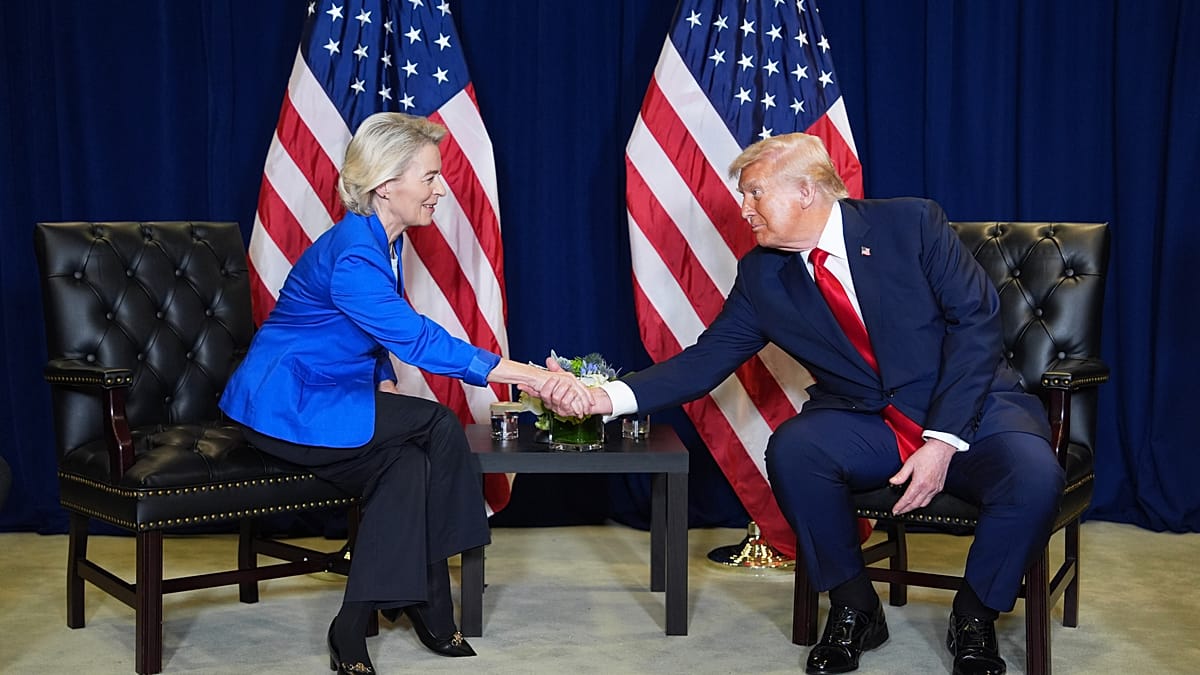
Bloomberg confirmed on May 4 that "more than a year after Liberation Day, there's a chance the US-EU trade conflict is back" — adding market volatility risk to European automotive exporters, luxury goods producers, and machinery manufacturers who face proposed new American duties.
The $166 Billion Tariff Refund Wave: Who Benefits?
A sweeping Supreme Court decision striking down IEEPA-based tariffs has opened the door to an estimated $166 billion in potential tariff refunds flowing back to US companies — and straight into executive bonus pools and boardrooms, according to a May 3 CEOWORLD magazine analysis.
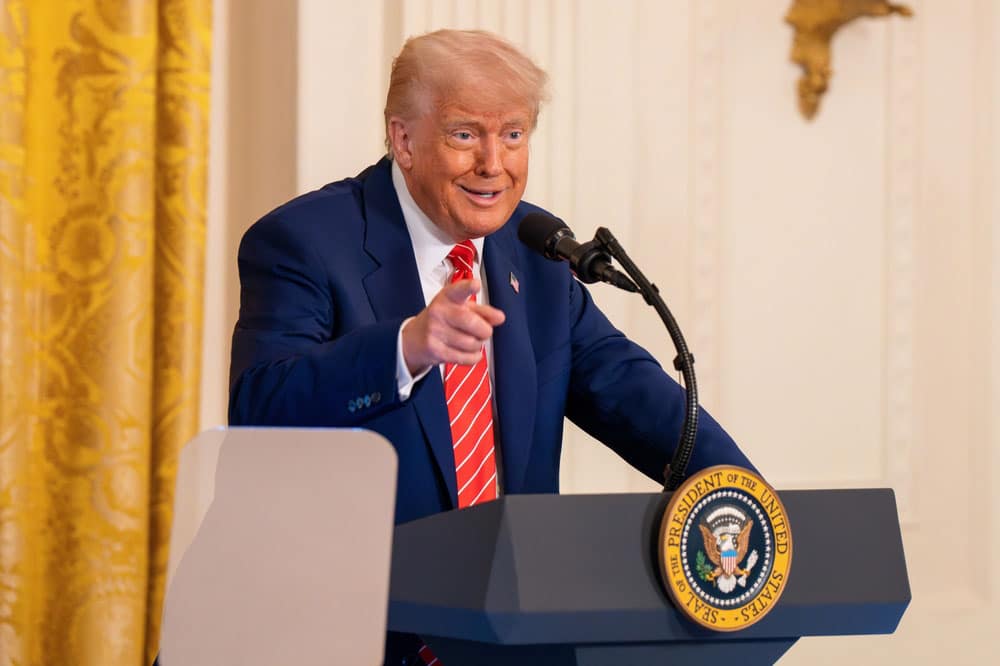
The refund windfall is the inverse of the tariff war's original intent — to penalize foreign exporters. Instead, American importers who paid the now-invalidated duties stand to recover significant sums. The ruling adds legal complexity to the Trump administration's next moves: the White House had separately ramped up tariffs on EU goods to compensate for the court-struck duties. A separate analysis published May 3 noted the US is now "proposing new tariffs on EU goods like automotive and machinery to achieve reciprocal trade," risking renewed market volatility.
Colombia-Ecuador Trade Collapse at the Border
The flow of goods between Colombia and Ecuador is "drying up," with industry groups on both sides of the South American border warning that trade is collapsing as high tariffs from an intensifying bilateral dispute came into full force this week, Reuters reported on May 1. Business groups say the escalating tariff war is having an acute real-world effect on cross-border commerce — with immediate implications for supply chains, employment, and regional economic integration in the Andean region.

The dispute is a notable case of intra-Latin American trade friction that has flown under the radar amid the louder US-EU and US-China conflicts. For businesses operating along the Colombian-Ecuadorian border, the standoff is an immediate economic crisis.
Tariff & Sanctions Tracker
-
United States → EU | Automotive & trucks | 25% tariff | Effective ~week of May 5, 2026: Trump announced on May 1 that new 25% tariffs on European cars and trucks would take effect "starting next week," citing the EU's alleged non-compliance with an existing trade agreement framework. Hardest-hit exporters include German automakers and French luxury vehicle producers.
-
United States → EU | Automotive & machinery sectors | New reciprocal tariff proposal | Proposed as of May 3, 2026: The US separately proposed additional tariffs on EU automotive and machinery goods as part of a broader push for "reciprocal trade," compounding pressure on European exporters already facing the car tariff. The EU has reserved the right to retaliate.
-
Colombia ↔ Ecuador | Multiple goods categories | High bilateral tariffs | In full force as of week of May 1, 2026: Tariffs from an escalating bilateral trade dispute between Colombia and Ecuador came into "full force this week," according to Reuters reporting from May 1, with border business groups warning that cross-border commerce is collapsing.
By the Numbers
-
$166 billion: Estimated value of potential US tariff refunds triggered by the Supreme Court's invalidation of IEEPA-based tariffs — funds that analysts say are flowing disproportionately to large corporations rather than consumers.
-
25%: New US tariff rate on European cars and trucks announced by President Trump on May 1, 2026, citing EU non-compliance with a prior trade framework agreement.
-
$700: Average estimated tariff cost increase per US household from 2026 Trump tariffs, according to the Tax Foundation — with the tariffs having "not meaningfully altered the trade deficit."
Regional Spotlight
Latin America: The Colombia-Ecuador Bilateral Breakdown
While most trade headlines focus on US-China and US-EU dynamics, a separate trade war is quietly devastating commerce in the Andean region of South America. Colombia and Ecuador — neighbors and historically significant trading partners — are locked in an escalating bilateral tariff dispute that has now reached a critical threshold.
According to Reuters reporting from May 1, industry groups on both sides of the border confirm that the "flow of goods between Colombia and Ecuador is drying up" as high tariffs came into full force this week. The deterioration is significant: the two countries share a lengthy land border and a historically integrated commercial corridor, with agriculture, manufactured goods, and consumer products routinely crossing in both directions.
Why it matters globally: The Colombia-Ecuador standoff is a reminder that the era of tariff nationalism is not limited to great-power competition. Smaller economies are increasingly weaponizing trade barriers in bilateral disputes — with potentially severe consequences for regional value chains. For ASEAN watchers and Mercosur observers, the Andean collapse serves as a cautionary tale about the fragility of regional trade integration when diplomatic relations sour. The breakdown also threatens food security and consumer prices in border regions that depend on cross-border supply chains for staple goods.
The dispute arrives at a moment when Latin American economies are already navigating heightened external pressures from US tariff policies targeting the region's exports.
What to Watch Next Week
-
US-EU Trade Talks (week of May 5–9): EU and US trade chiefs are scheduled to meet in the coming days as tariff tensions escalate. Watch for whether the Turnberry deal framework survives, and whether the EU activates its retaliatory package in response to the new 25% auto tariffs. Any breakdown could send shockwaves through European automotive stocks.
-
Implementation of US Auto Tariffs on EU (~May 5–8): Trump stated the new 25% tariffs on European cars and trucks would take effect "starting next week" from his May 1 announcement. The precise effective date and any last-minute diplomatic carve-outs will be closely watched by German, French, and Italian automakers.
-
IEEPA Tariff Refund Legal Proceedings: Following the Supreme Court ruling invalidating IEEPA-based tariffs and opening the door to $166 billion in potential refunds, watch for executive branch legal challenges, Congressional responses, and further court filings that could shape how and whether companies actually receive these funds.
-
Colombia-Ecuador Border Trade Talks: With cross-border commerce reportedly collapsing, pressure is mounting on both governments to de-escalate. Any sign of diplomatic engagement — or further escalation — will be a key indicator of whether intra-Latin American trade tensions are becoming a structural risk.
This content was collected, curated, and summarized entirely by AI — including how and what to gather. It may contain inaccuracies. Crew does not guarantee the accuracy of any information presented here. Always verify facts on your own before acting on them. Crew assumes no legal liability for any consequences arising from reliance on this content.
Powered by
