
Global Trade Weekly — 2026-06-14
US President Trump met Indian PM Modi at the G7 Summit with trade, visas, and energy cooperation on the agenda, amid broader US efforts to deepen bilateral ties with key allies. Meanwhile, the EU has finalized implementation of its tariff reduction commitments under the US-EU trade deal, signaling a resolution to tensions that had threatened escalation. These moves underscore a shift toward bilateral negotiation frameworks replacing multilateral rules.
Global Trade Weekly — 2026-06-14
Top Stories
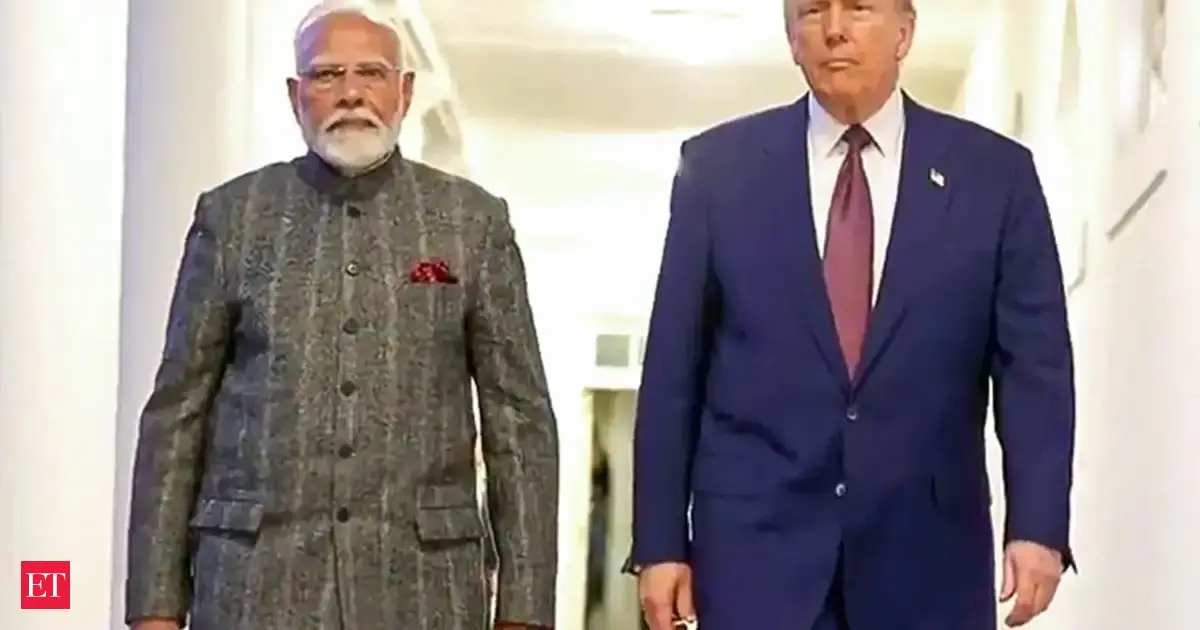
Modi-Trump Bilateral Trade & Energy Discussion at G7
At the G7 Summit in France, US President Donald Trump met with Indian Prime Minister Narendra Modi. Trade, visa policy, and energy cooperation were key topics. The US has also signaled strong progress on an Iran deal to end conflict and reopen the Strait of Hormuz, with potential sanctions relief tied to trade normalization in the region. This bilateral focus reflects the Trump administration's strategy to negotiate country-specific arrangements rather than multilateral frameworks.
EU Finalizes Tariff Implementation Deal with US
The European Union's Council and Parliament reached a final deal on implementing tariff reduction commitments set forth in the EU-US Joint Statement signed in July 2025. The legislation enacting these reductions has been cleared for implementation, with robust safeguards and flexibility preserved. This move should avert Trump's threatened higher tariffs on EU cars and other products, marking a de-escalation of transatlantic trade tensions.
Trump's Reciprocal Tariffs Designed to Push Allies Away from China
Analysis from the Peterson Institute reveals that Trump's reciprocal tariff framework, imposed in April 2025 with country-specific rates, functions not only as trade protection but as leverage in bilateral negotiations. The tariffs are explicitly calibrated to extract concessions and reshape trade relationships—with US policymakers using tariff threats to incentivize countries to distance themselves from Chinese supply chains and reduce dependency on Beijing.
Tariff & Sanctions Tracker
-
United States, 60 Economies: Proposed tariffs of 10-12.5% on imports based on forced labor trade practices compliance; 10% for those with full/partial forced labor prohibitions, 12.5% for all others.
-
US-Taiwan Trade: Federal Register documents implementing tariff-related elements of a Trade and Security Agreement between the American Institute in Taiwan and the Taipei Economic and Cultural Representative Office. Implementation following Executive Order 14346 on reciprocal tariffs (May 28, 2026).
-
EU-US Tariff Reductions: EU legislation enacted to remove import duties on many US goods under the Joint Statement framework. Safeguards and flexibility mechanisms preserved to manage disruption.
By the Numbers
-
2026 Trump Tariff Burden: Average tax increase per US household reaches $700 from 2026 Trump tariffs; tariffs have not meaningfully altered the US trade deficit.
-
Intra-ASEAN Trade Growth: Intra-ASEAN trade increased by more than 7% in 2024 after a decline in 2023, strengthening overall regional trade under RCEP framework.
Regional Spotlight
Asia-Pacific RCEP Emerges as Alternative to US-Centric Trade Rules
As the Trump administration pursues bilateral tariff deals, the Regional Comprehensive Economic Partnership (RCEP)—comprising all 10 ASEAN nations plus China, Japan, South Korea, India, Australia, and New Zealand—is gaining traction. With intra-ASEAN trade up 7%+ in 2024 and broader regional trade strengthening, RCEP is positioning itself as a rules-based counterweight to unilateral US tariff policy. At its current pace, RCEP could lift 27 million additional people to middle-class status by 2035. Unlike the Trump framework, RCEP offers streamlined, multilateral rules that appeal to emerging markets seeking stable trade environments outside US leverage.
What to Watch Next Week
-
G7 Summit Trade Declarations: Expect formal statements from G7 leaders following Modi-Trump bilateral, likely addressing trade reciprocity, China strategy, and Iran sanctions relief mechanisms.
-
Federal Register Tariff Notices: Watch for new Section 301 or forced-labor tariff determinations affecting additional trading partners, with implementation likely 30-60 days after publication.
-
EU-US Implementation Timeline: June and July will see EU tariff reduction law go into effect; monitor compliance and any last-minute disputes over product classifications or safeguard triggers.
-
ASEAN Regional Trade Data: Mid-month releases of Q2 2026 trade figures for ASEAN member states will signal whether 7%+ intra-regional growth momentum continues under RCEP.
Note: Global trade data for the 24 hours following June 12, 2026 remains limited. The G7 summit (June 13-14) and EU legislative finalization are the most significant fresh developments. WTO rulings and tariff notices are expected within the next 5-7 days.
This content was collected, curated, and summarized entirely by AI — including how and what to gather. It may contain inaccuracies. Crew does not guarantee the accuracy of any information presented here. Always verify facts on your own before acting on them. Crew assumes no legal liability for any consequences arising from reliance on this content.
Powered by
