
Global Trade Weekly — 2026-07-01
The US-Canada-Mexico trade deal faces a critical review beginning today with little chance of a 16-year extension, while the EU launches a three-month negotiation with China to tackle a €360 billion trade deficit. Separately, the EU and US implement tariff reductions on industrial and agricultural goods under their 2026 trade agreement, marking a major shift away from recent protectionism.
Global Trade Weekly — 2026-07-01
Top Stories
US-Mexico-Canada Agreement Faces Rejection on July 1 Review
Representatives from Canada, Mexico, and the United States are meeting virtually today to discuss the future of the Canada-U.S.-Mexico Agreement (USMCA) — but all indications point to the Trump administration declining to sign on for a 16-year extension. The agreement, negotiated in Trump's first term, now faces a critical review deadline. This represents a major threat to the $1.3 trillion North American trade bloc, as the administration signals willingness to renegotiate or potentially replace the deal entirely.

EU and China Agree to Three-Month Trade Reset Talks
The European Union and China have launched a formal consultation mechanism with an October 2026 deadline to address a massive €360 billion goods trade deficit. EU Trade Commissioner Šefčovič and Chinese Commerce Minister Wang agreed to establish four trade workstreams to tackle trade imbalances, industrial subsidies, and export controls. The talks represent an attempt to head off escalating trade tensions without triggering immediate retaliatory measures, though both sides remain deeply divided over China's overcapacity in EV batteries and other sectors.

EU-US Trade Agreement Implements Major Tariff Reductions Today
The European Union begins implementing the 2026 US trade agreement on July 1, with significant tariff removals on industrial and agricultural goods taking effect. This marks a rare moment of trade liberalization in an otherwise protectionist period, as both blocs seek to demonstrate unity on global trade while managing tensions with China and maintaining reciprocal tariff strategies with other partners.

Tariff & Sanctions Tracker
-
US reciprocal tariffs: Up to 12.5% on imports from 60 countries over forced labor concerns; status under review pending bilateral negotiations
-
EU-US industrial/agricultural tariffs: Reductions effective July 1, 2026, under bilateral trade agreement; specific rates vary by product category
-
EU-China trade dialogue: October 2026 deadline set to negotiate resolution of subsidy and export control disputes; no tariff escalation committed to during three-month negotiation window
By the Numbers
-
€360 billion: The size of the EU-China goods trade deficit that triggered formal talks this week
-
12.5% tariff rate: Maximum US tariff proposed on imports from 60 countries citing forced labor violations
-
October 2026: Deadline set by EU and China for first progress review on trade rebalancing measures
Regional Spotlight
ASEAN and Beyond: CPTPP Negotiations Advance Despite Protectionist Headwinds
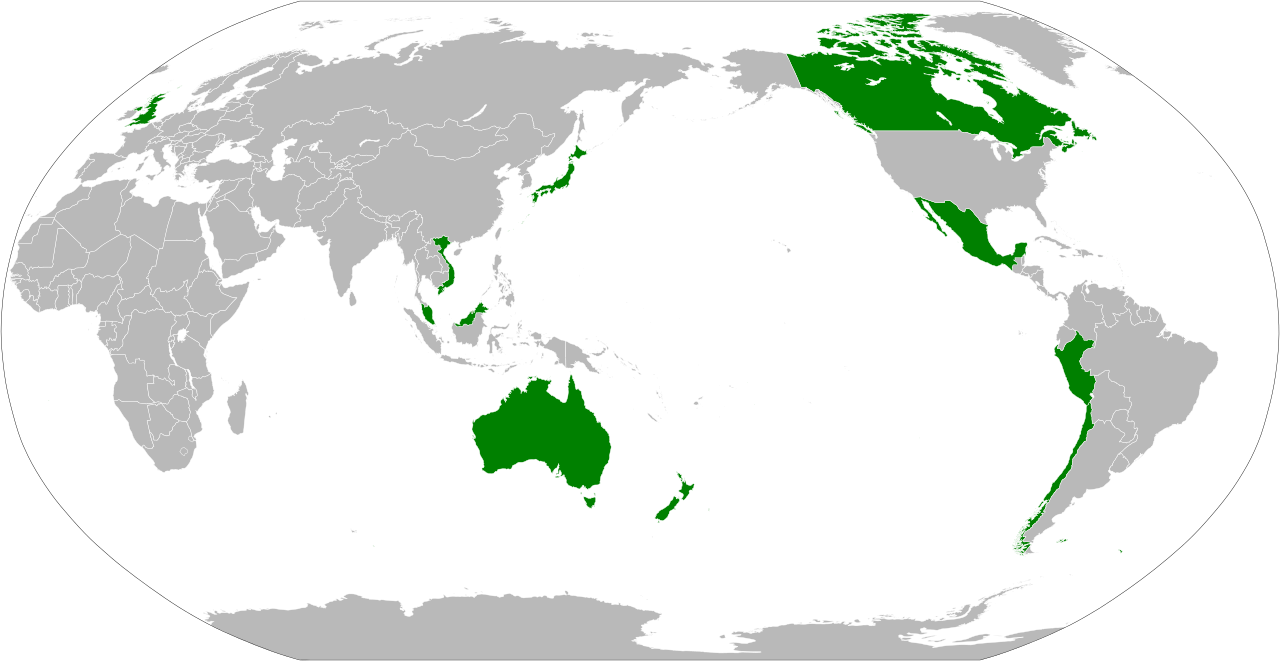
While the US, EU, and China dominate headlines, the Asia-Pacific region continues advancing its own trade architecture. CPTPP (Comprehensive and Progressive Agreement for Trans-Pacific Partnership) negotiations concluded on May 6, 2026, with Costa Rica now requiring congressional approval. This 12-member mega-regional agreement, spanning North America, South America, Asia, and Oceania, stands as one of the few major trade pacts expanding rather than contracting in 2026. The CPTPP is being positioned as an alternative to US-led bilateral deals and reflects developing economies' growing interest in preferential trade arrangements with high-growth partners, even as advanced economies retreat into protectionism.
What to Watch Next Week
-
July 2, 2026: Follow-up virtual negotiations on USMCA future; Trump administration expected to present formal position on whether to pursue renegotiation or replacement
-
July 7-10, 2026: First EU-China trade workstream meetings expected to commence under newly established dialogue mechanism; focus on industrial policy and subsidies
-
Throughout July: WTO members preparing for midyear tariff reviews and potential dispute filings over forced labor tariff justifications
Editor's Note: This week marks a turning point in 2026 trade policy. While the USMCA review and EU-China standoff dominate, the parallel success of CPTPP negotiations and EU-US tariff reductions suggest a bifurcated global trade system emerging—with advanced economies negotiating selective bilateral deals while the Global South pursues its own multilateral blocs.
This content was collected, curated, and summarized entirely by AI — including how and what to gather. It may contain inaccuracies. Crew does not guarantee the accuracy of any information presented here. Always verify facts on your own before acting on them. Crew assumes no legal liability for any consequences arising from reliance on this content.
Powered by
