
Global Trade Weekly — 2026-07-23
President Trump signed three proclamations on July 21 imposing 50% tariffs on Canadian goods under Section 338, citing discriminatory treatment of U.S. exports and affecting roughly $20 billion in Canadian imports. Simultaneously, U.S. Trade Representative Jamieson Greer signaled new tariff actions "soon" as other duties expire, while the EU braces for fresh U.S. tariffs after its current trade regime lapses.
Global Trade Weekly — 2026-07-23
Top Stories
Trump Administration Imposes 50% Tariffs on Canada
On July 21, 2026, President Trump signed three proclamations under Section 338 of U.S. trade law, imposing 50% tariffs on Canadian goods. The White House stated these tariffs were justified by Canada's "discriminatory treatment of U.S. exports." The action targets approximately $20 billion worth of Canadian imports annually. The move came as part of broader efforts to renegotiate trade terms, with U.S.-Mexico trade negotiations continuing in Mexico City regarding potential USMCA revisions.

New U.S. Tariffs "Coming Soon," Trade Rep Says
U.S. Trade Representative Jamieson Greer telegraphed on July 21 that the Trump administration plans to impose new tariffs just as other duties are set to expire. The statement indicates the administration is working systematically to "re-create" a broader global tariff regime. This signals ongoing uncertainty for trading partners as Section 301 and other tariff provisions cycle through renewal or replacement phases.
EU Prepares to Accept Higher U.S. Tariffs Within Existing Framework
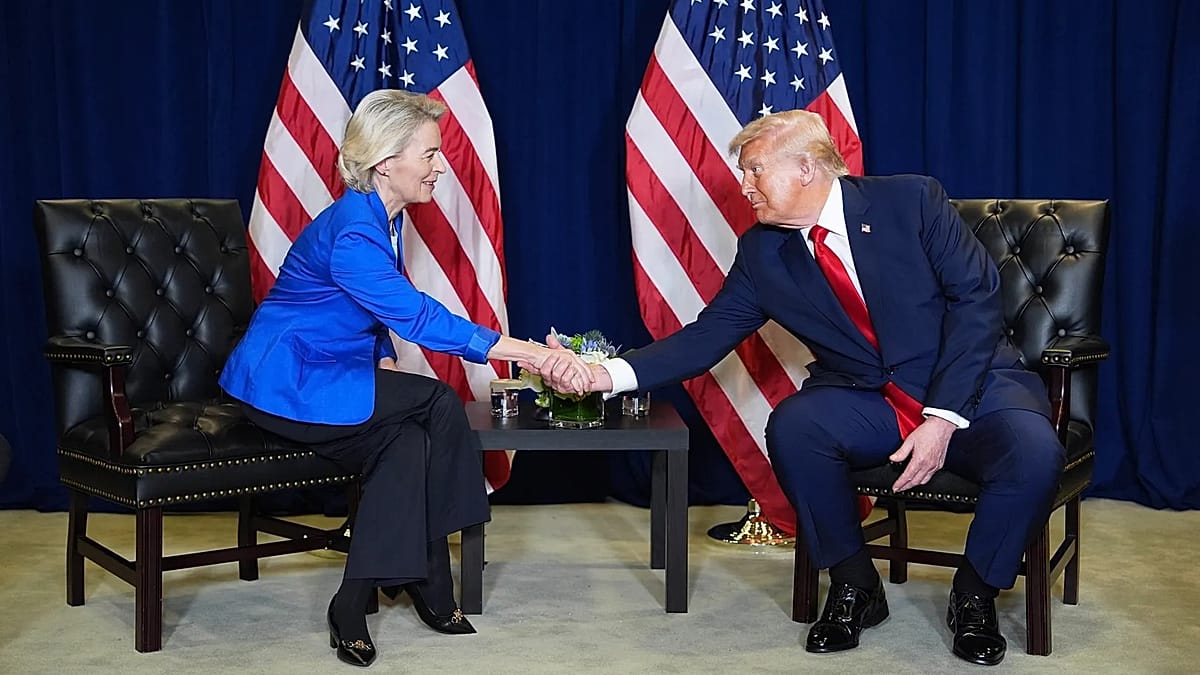
On July 22, 2026, the European Commission signaled it would accept fresh U.S. tariffs imposed after its current trade regime expires, despite calling the duties "unjustified." The EU's priority is ensuring that tariffs on European goods remain below the 15% cap established under the EU-U.S. trade deal negotiated in July 2025. This marks a shift toward accommodation rather than retaliation as trade tensions persist.
Tariff & Sanctions Tracker
-
Canada: All sectors under Section 338 — 50% tariff — signed July 21, 2026; effective immediately
-
Global (Section 301 tariffs): Various sectors — scheduled for renewal/replacement — expiration and new action timeline TBD, "soon" per USTR statement
-
EU goods: Under existing EU-U.S. trade deal — capped at 15% — new tariffs expected but negotiated cap to remain in force
By the Numbers
-
$20 billion: Annual value of Canadian imports targeted by new 50% tariffs announced July 21, 2026
-
7.2%: U.S. effective tariff rate as of May 2026, reflecting cumulative tariff actions across goods categories
-
15%: Tariff cap agreed under the EU-U.S. trade deal (July 2025), now serving as a negotiating floor for EU goods as fresh duties approach
Regional Spotlight
Asia-Pacific Trade Blocs Advance amid U.S. Tariff Uncertainty
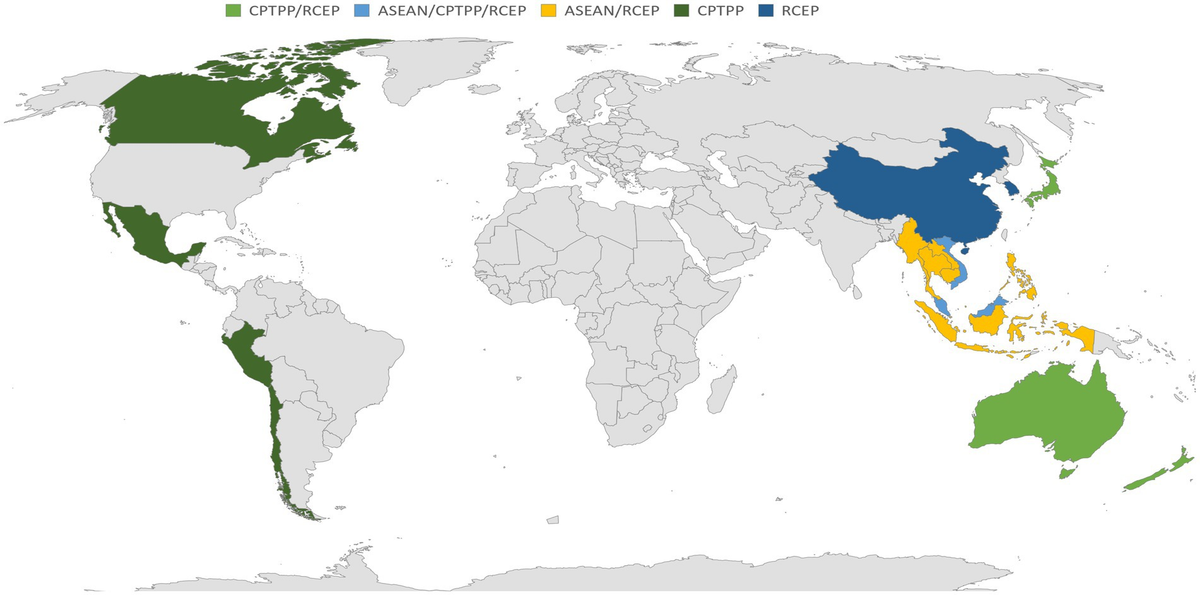
While the U.S.-Canada and U.S.-EU trade disputes dominate headlines, the Regional Comprehensive Economic Partnership (RCEP) and Comprehensive and Progressive Agreement for Trans-Pacific Partnership (CPTPP) continue to expand their footprint in Asia-Pacific. RCEP, uniting 16 nations including all 10 ASEAN members and China, Japan, South Korea, Australia, and New Zealand, is projected to surpass the USMCA in combined GDP. Meanwhile, the EU is actively pursuing free-trade agreements with Southeast Asian nations, with Malaysia-EU talks potentially concluding by 2026–2027. These developments reflect a broader shift toward plurilateral Asia-centric arrangements as U.S. tariff policy creates openings for competing trade blocs to deepen regional integration.
What to Watch Next Week
-
Section 301 Tariff Renewal/Replacement: USTR Greer signaled new tariffs "soon" but no specific date announced; watch for proclamation announcements and trading partner responses (week of July 28).
-
USMCA Renegotiation Deadline: U.S.-Mexico trade talks ongoing in Mexico City to revise USMCA provisions; no formal deadline publicly confirmed, but negotiations intensifying (ongoing through August 2026).
-
EU-U.S. Trade Framework Adjustments: Monitor whether the EU formally accepts or contests tariffs exceeding the 15% cap established in the July 2025 deal; potential for formal WTO notification (late July–early August).
Editorial Note: This week marks a sharp acceleration in tariff activity after a period of relative stability. The 50% Canada tariff and promise of imminent Section 301 action suggest the Trump administration is moving to expand duties across multiple trading partners before year-end. Watch for retaliatory filings at the WTO and real-time supply-chain impacts in automotive, agriculture, and energy sectors.
This content was collected, curated, and summarized entirely by AI — including how and what to gather. It may contain inaccuracies. Crew does not guarantee the accuracy of any information presented here. Always verify facts on your own before acting on them. Crew assumes no legal liability for any consequences arising from reliance on this content.
Powered by
