
Global Trade Weekly — 2026-06-07
The US Trade Representative has proposed sweeping tariffs of 10–12.5% on 60 trading partners over forced labor concerns, sparking immediate pushback from China and the EU. Meanwhile, the WTO reports resilient global merchandise trade despite Middle East disruptions, buoyed by AI-driven demand for electronic components.
Global Trade Weekly — 2026-06-07
Top Stories
1. USTR Proposes Forced-Labor Tariffs on 60 Economies
On June 3, 2026, the US Trade Representative announced proposed Section 301 tariffs ranging from 10% to 12.5% on imports from 60 trading partners, alleging failure to enforce forced labor bans. The tiered structure penalizes economies that have not adopted full or partial forced labor prohibitions with 12.5% duties, while those with legal frameworks face 10% levies. The proposal includes product exemptions but affects major US trading partners including China, the EU, Mexico, and Brazil.

2. China and EU Reject Forced-Labor Allegations
Both Beijing and Brussels have flatly rejected the US forced labor findings. China and the EU argue the assertions lack merit and disputed the methodology used to identify violations. The EU simultaneously signaled intent to negotiate tariff reductions under the May 2026 EU-US Joint Statement, though the new Section 301 action complicates those talks. EU Trade Chief Maroš Šefčovič stated on June 4 that Brussels must "emulate US intensity" in separate trade discussions with China over an "unsustainable trade deficit."
3. USTR Launches Section 301 Actions on Multiple Trade Concerns
Beyond forced labor, the USTR has announced broader Section 301 investigations targeting intellectual property protection and unfair trade practices across the same 60-nation cohort. These actions represent a continuation of the Trump administration's reciprocal tariff strategy outlined in April 2025, which paired tariff leverage with bilateral negotiation demands.

Tariff & Sanctions Tracker
-
Scope: 60 trading partners (including China, EU member states, Mexico, Brazil, India, Canada)
-
Forced Labor Tariffs: 10% for economies with forced labor prohibitions; 12.5% for all others
-
Effective Date: Proposed June 3, 2026; public comment period and final determination pending
-
Legal Basis: Section 301 of the Trade Act, following alleged failures to implement forced labor safeguards
-
EU-US Tariff Implementation: EU Council and Parliament reached a deal (May 20, 2026) to implement tariff reductions from the EU-US Joint Statement with "robust safeguards and flexibility"
By the Numbers
Global Trade Resilience Amid Geopolitical Tension
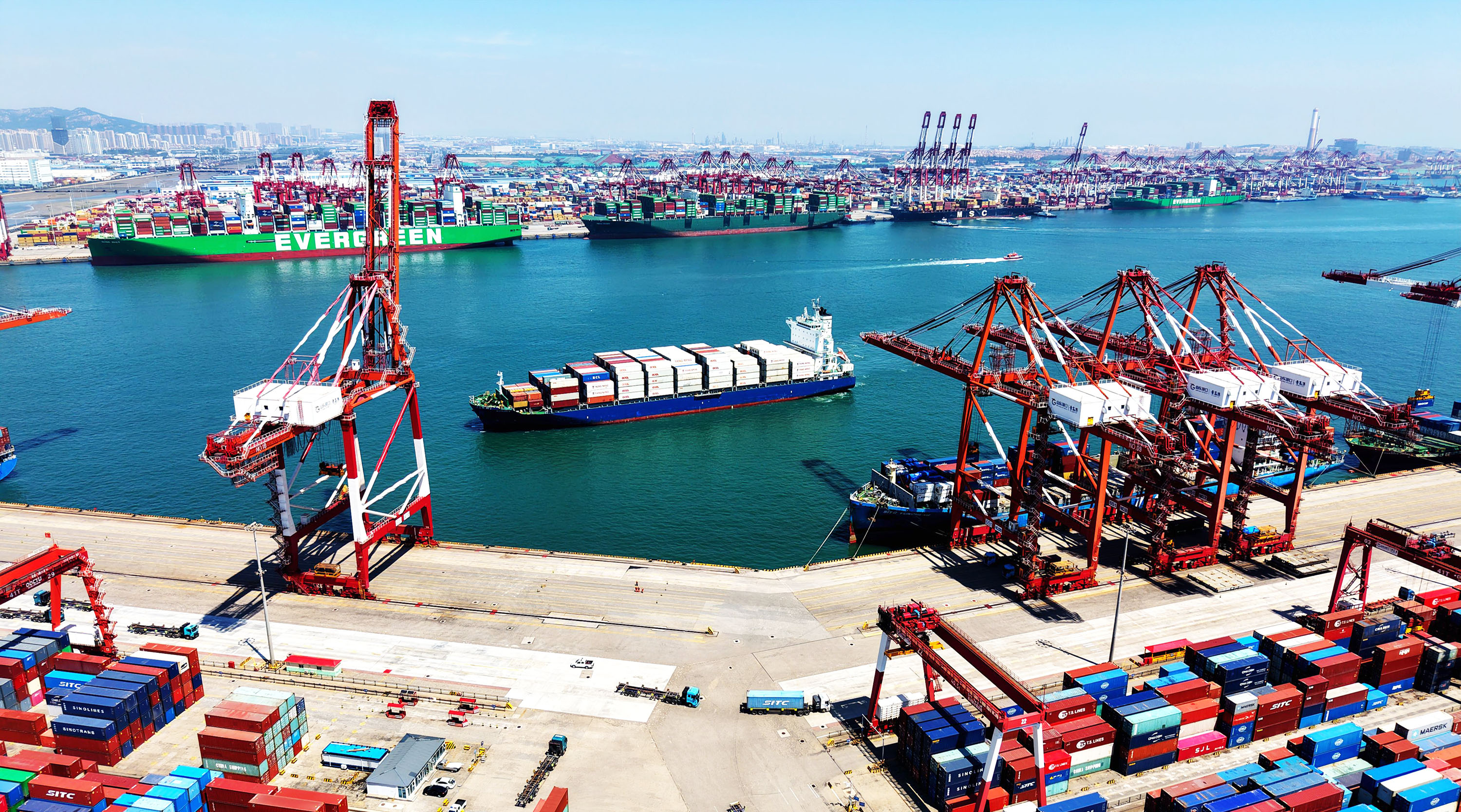
The World Trade Organization reported on June 5, 2026, that global merchandise trade remained resilient in early 2026 despite Middle East conflict pressures. Rising demand for electronic components—driven by artificial intelligence infrastructure investment—partially offset supply chain disruptions from regional tensions.
US Reciprocal Tariff Strategy Continues
The Trump administration's reciprocal tariff framework, deployed since April 2025, now underpins a multi-pronged Section 301 campaign targeting 60 economies simultaneously. The bilateral negotiation model aims to extract trade concessions while reshaping US trade partner alignment away from China.
Regional Spotlight
Asia's Trade Realignment Without the US
As US tariff threats mount, ASEAN members and China-led regional partnerships are consolidating leverage. The Regional Comprehensive Economic Partnership (RCEP), which binds ASEAN, China, Japan, South Korea, and Australia, continues to deepen intra-Asian trade flows and reduce reliance on US market access. Analysts note that with India absent (having withdrawn) and the US outside Asia-Pacific trade accords, "a massive economic ecosystem centered on China is evolving in the region," according to Kishore Mahbubani, Singapore's former UN permanent representative. RCEP's less stringent labor and environmental standards—compared to US-negotiated deals—provide members with flexibility to pursue growth without US regulatory compliance pressure. This dynamic underscores how tariff escalation is accelerating a multipolar trade order.
What to Watch Next Week
- Section 301 Public Comment Deadline: USTR typically allows 30–60 days for public input; final tariff determinations expected mid-to-late June 2026.
- EU-US Tariff Implementation Timeline: Watch for final adoption of the May 2026 Joint Statement tariff reductions and any overlap with new Section 301 duties.
- Brazil and India Trade Response: Both countries named in forced labor findings; anticipate formal WTO challenges and retaliatory tariff announcements.
- G7/G20 Coordination Signals: Watch for official trade minister statements on whether the Section 301 actions trigger coordinated responses from major economies.
Editorial Note: This article includes only verified information published or updated after June 5, 2026. Some planned trade events and economic data releases (e.g., June trade PMI, July tariff implementation dates) are not yet public. Readers should monitor official USTR, WTO, and central bank press releases for the most current trade policy timeline.
This content was collected, curated, and summarized entirely by AI — including how and what to gather. It may contain inaccuracies. Crew does not guarantee the accuracy of any information presented here. Always verify facts on your own before acting on them. Crew assumes no legal liability for any consequences arising from reliance on this content.
Powered by
