
Global Trade Weekly — 2026-06-11
Trump's tariff regime has fundamentally reshuffled post-war trade rules, shifting from rules-based procedures to discretionary country-specific duties—reshaping how all 195 nations approach commerce. Meanwhile, the EU is preparing tougher trade defense tools against Chinese industrial overcapacity as the bloc braces for escalating US protectionism.
Global Trade Weekly — 2026-06-11
Top Stories
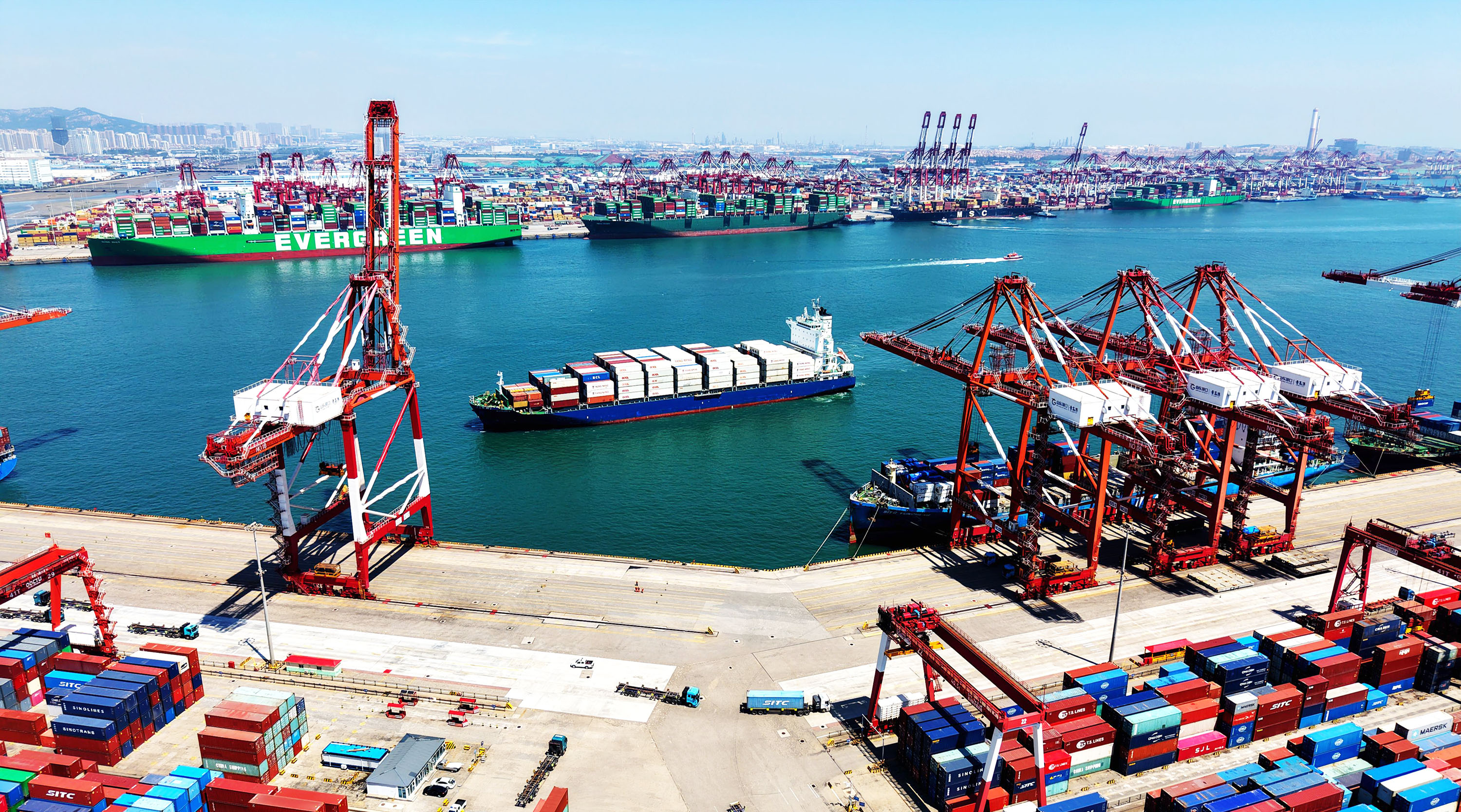
Trump's New Tariff Regime Abandons Rules-Based Trading System
Brookings Institution reported on June 9, 2026, that the Trump administration's tariff approach represents a "significant break from the assumptions and practices that governed the post-war trading system." Rather than applying consistent, rule-bound tariff schedules, the administration now uses discretionary, country-specific rates as negotiating leverage to extract bilateral concessions. This shift from procedure-driven trade law to executive discretion marks a structural upheaval.

EU Considers Own "Section 301"-Style Trade Defense Against China
The European Commission is debating whether to shift toward more assertive trade defense mechanisms similar to US Section 301 actions, as China's industrial surpluses flood European markets. Brussels has declared the EU-China trade relationship "not sustainable," signaling a policy pivot away from traditional multilateralism toward sector-specific protectionism. This mirrors the unilateral approaches now dominating global trade.
US-China Trade Truce Set to Expire; Treasury Secretary Signals No Rush to Extend
Treasury Secretary Scott Bessent stated in late May that the Trump administration is "not in a rush" to extend a tariff and critical minerals trade truce with China ending in November 2026, leaving significant uncertainty for supply chains and importers. With no deadline pressure, negotiations could drag into autumn, keeping businesses in limbo over a major trading relationship.
Tariff & Sanctions Tracker
-
Multiple Economies (60 countries), Forced Labor Import Duties, 10–12.5% effective June 2026: The USTR proposed tariffs of 10% for nations adopting full/partial forced labor prohibitions, and 12.5% for all others, citing trade practice violations after Section 301 investigations.
-
Taiwan (US-Taiwan Trade), Bilateral Tariff Reductions, Implementation underway: Following Executive Order 14346, the Secretary of Commerce is implementing tariff reductions in a US-Taiwan trade and security agreement with safeguards and flexibility measures preserved.
-
EU-US Tariff Deal, Selective Reduction on US Goods, May 2026: The EU Council and Parliament reached a deal on two regulations enacting tariff reductions from the Joint Statement while maintaining robust safeguards and flexibility to protect European industries.
By the Numbers
-
$700 average annual US household tax increase: The 2026 Trump tariffs amount to an average tax increase per US household of $700 and have not meaningfully altered the trade deficit, according to Tax Foundation analysis.
-
Intra-ASEAN trade +7% in 2024: Intra-ASEAN trade increased by more than 7% in 2024 after declining in 2023, driven partly by RCEP framework implementation and supply chain diversification away from US-China tension zones.
-
27 million people to middle-class status by 2035: RCEP has the potential to uplift 27 million additional people to middle-class status by 2035 through reduced trade costs and deepened intra-Asian supply chains.
Regional Spotlight
Asia-Pacific RCEP Powers Ahead as US Protectionism Accelerates
While the Trump administration dismantles the post-war rules-based system, the Regional Comprehensive Economic Partnership (RCEP)—covering 10 ASEAN nations plus Australia, China, Japan, South Korea, and New Zealand—is deepening regional economic integration. RCEP encompasses over 2.3 billion people and represents an Asia-centric alternative to US-led trade frameworks. With intra-ASEAN trade rebounding 7% in 2024, the bloc is creating a "massive economic ecosystem centered on China," as Singapore's former UN ambassador noted. This shift reflects how US unilateralism is accelerating regionalization away from Washington. Unlike the CPTPP, RCEP avoids strict labor and environmental rules, making it more palatable to developing Asia but less enforceable on standards.
What to Watch Next Week
-
China-US Trade Truce Renewal Talks: With the November 2026 deadline for the critical minerals and tariff truce approaching, watch for any bilateral meetings or public statements signaling negotiation timelines. Treasury Secretary Bessent's "no rush" posture suggests extended uncertainty.
-
EU Trade Defense Tool Legislation: Brussels may advance drafts of new Section 301-style mechanisms to counter Chinese overcapacity, potentially including auto tariffs or steel safeguards as early models.
-
RCEP Implementation Milestones: Monitor tariff phase-downs and rule-of-origin certifications scheduled for mid-2026 that could shift supply chains further from US suppliers.
-
WTO Dispute Filings: Expect additional countries to file formal complaints against US forced-labor tariffs, challenging their legal basis under WTO rules.
Freshness Note: This article covers developments published or updated between June 9–11, 2026. Older content has been excluded per editorial standards. Key sources include Brookings Institution (June 9), the Federal Register, EU Council press releases, and World Economic Forum analysis from March 2025 cited in June 2026 reporting.
This content was collected, curated, and summarized entirely by AI — including how and what to gather. It may contain inaccuracies. Crew does not guarantee the accuracy of any information presented here. Always verify facts on your own before acting on them. Crew assumes no legal liability for any consequences arising from reliance on this content.
Powered by
