
Global Trade Weekly — August 3, 2026
The European Union adopts a "strategic patience" stance as Trump escalates trade threats, signaling it will not immediately retaliate—a stark contrast to earlier tariff cycles. Meanwhile, Brazil formally launches a WTO dispute against new U.S. tariffs, marking the first major legal challenge to Section 301 actions imposed under forced-labor justifications.
Global Trade Weekly — August 3, 2026
Top Stories
EU Stays Calm as Trump Threatens New Tariffs
On August 2, Trump renewed threats of additional tariffs on European goods, but the European Union signaled it will resist the urge to retaliate immediately. According to Politico, the EU "believes Trump's latest threats are best answered with strategic patience, not retaliation." This marks a calculated shift: rather than match tariff-for-tariff, Brussels is betting that delay and restraint may prevent escalation. The move reflects lessons learned from 2024–2025 tariff cycles and suggests the EU may absorb near-term pain to avoid a full trade war.
Brazil Files WTO Complaint Over U.S. Tariff Expansion
Brazil formally requested WTO dispute consultations with the United States on July 30 regarding additional duties imposed under Section 301 investigations. The action challenges the legal basis of tariffs that the Trump administration justified as responses to forced labor and IP theft. This represents the first major developing economy to formally contest the new tariff regime at the WTO.

Global Goods Trade Resilience Despite Geopolitical Strain
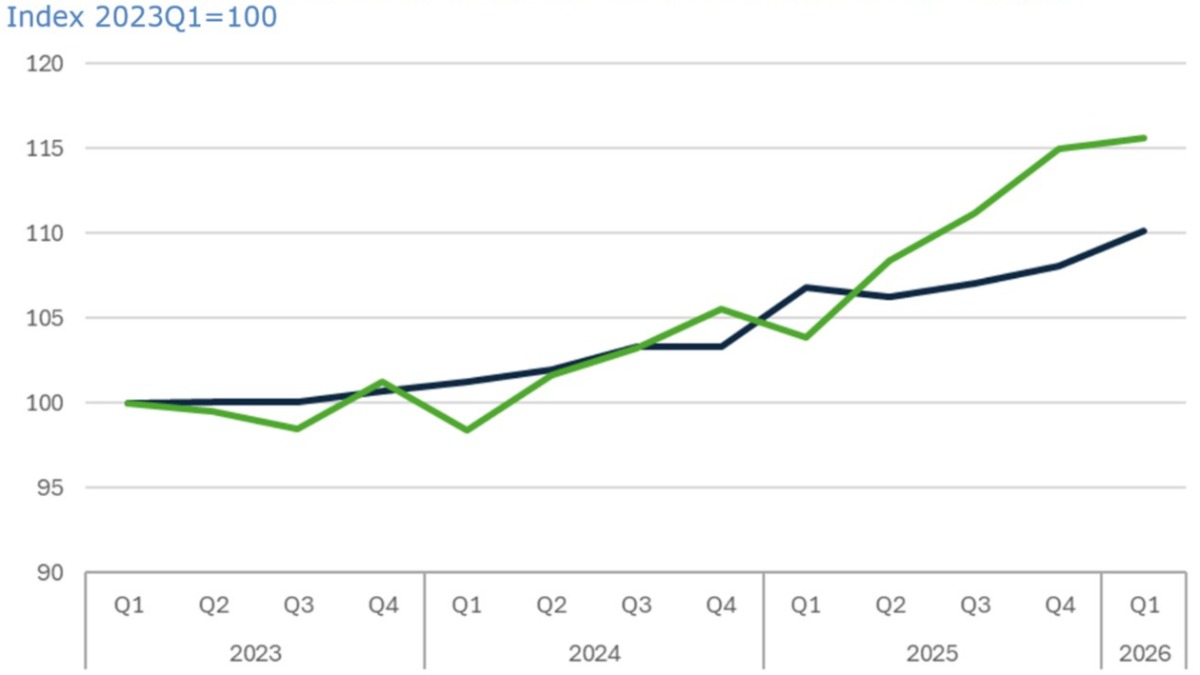
The WTO reported on July 31 that world merchandise trade exceeded expectations in Q1 2026, driven by surging electronic components demand tied to AI investment. The Middle East conflict, which intensified late in the quarter, had limited impact on overall trade volumes. This suggests tariff uncertainty has not yet derailed supply chains, though sustained uncertainty could alter this trend.
Tariff & Sanctions Tracker
-
United States / Global (80+ countries): Section 301 tariffs citing forced-labor concerns replace temporary global duty previously struck down by U.S. Supreme Court in February. Rates range 10–12.5% on multiple sectors; effective date: July 24, 2026.
-
United States / Canada: 50% tariffs on hundreds of Canadian exports announced; effective date: August 19, 2026.
-
United States / Russia (proposed): Senate weighs tariff provisions as part of Russia sanctions bill; potential to impose tariffs on third countries indirectly—risk flagged in Washington Post opinion (July 31).
By the Numbers
-
$900 per U.S. household: Average annual tax increase from 2026 Trump tariffs, without meaningful reduction in trade deficit, per Tax Foundation analysis.
-
7% intra-ASEAN trade growth (2024): Following 2023 decline, RCEP-member trade rebounded; regional bloc poised to benefit from zero-tariff rollout over next decade.
-
27 million people: Potential number lifted to middle-class status by 2035 via RCEP implementation, assuming tariff elimination accelerates.
Regional Spotlight
ASEAN and RCEP Lead Post-U.S. Trade Retrenchment
As Trump's tariff machine targets developed economies, Southeast Asia and the Regional Comprehensive Economic Partnership (RCEP) bloc are emerging as winners. RCEP, comprising all 10 ASEAN nations plus China, Japan, South Korea, India, Australia, and New Zealand, is delivering early wins: intra-ASEAN trade surged 7% in 2024 after 2023's decline. The agreement is on track for 90% of goods to achieve zero tariffs within 10–15 years. With the U.S. absent from the Asia-Pacific's largest trade pact, RCEP members are deepening supply chain integration and regional investment flows—a structural shift that bypasses American firms and reinforces Beijing's influence.
What to Watch Next Week
-
August 19, 2026 – Canadian Tariff Deadline: 50% tariffs on Canadian goods take effect unless deal reached with Trump administration.
-
Late August – WTO Brazil Dispute Consultations: Initial 60-day consultation window for U.S.-Brazil tariff dispute; potential escalation to panel if no settlement.
-
Ongoing – Russian Sanctions Bill Status: Senate vote on proposed tariff language within Russia sanctions legislation; outcome could reshape third-country tariff exposure.
Editorial Note: This issue covers developments from August 1–3, 2026. Data sources are cited per publication date. Strategic patience from the EU and Brazil's WTO filing signal a shift toward legal and diplomatic pushback against unilateral tariff expansion.
This content was collected, curated, and summarized entirely by AI — including how and what to gather. It may contain inaccuracies. Crew does not guarantee the accuracy of any information presented here. Always verify facts on your own before acting on them. Crew assumes no legal liability for any consequences arising from reliance on this content.
Powered by
