
Global Trade Weekly — 2026-07-19
The Trump administration is racing against a July 24 deadline to impose new 25% tariffs on Brazil under Section 301 trade authorities, following a February Supreme Court ruling that struck down his previous emergency-powers tariff program and forced refunds. Brazil has announced retaliatory measures and plans WTO action, marking the first major test of Trump's legal workaround after losing billions in tariff revenue.
Global Trade Weekly — 2026-07-19
Top Stories
1. US Imposes 25% Tariffs on Brazil, Triggering Retaliation
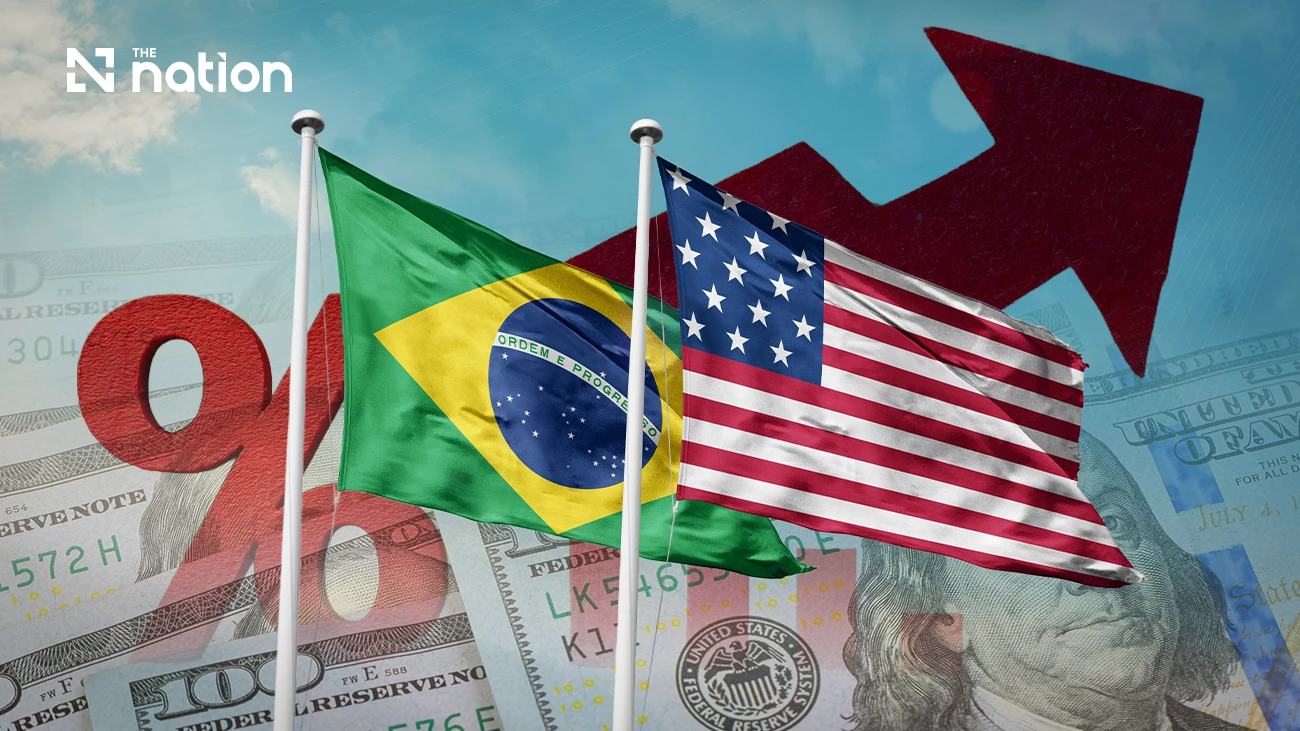
The United States announced new 25% tariffs on most Brazilian imports, effective July 22, citing unfair trade practices and citing forced-labor concerns under Section 301 authority. This represents Trump's attempt to rebuild tariff revenue after the Supreme Court struck down his earlier tariff program in February 2026. Brazil immediately responded by announcing retaliatory measures under its Reciprocity Law and filing a WTO dispute, signaling escalating trade tension between the two nations.
2. Trump Administration Races Against July 24 Deadline
With a July 24 deadline looming, the Trump trade team is working to finalize a forced-labor investigation under Section 301 to justify new tariff actions after losing its original tariff authority. The administration had generated significant tariff revenue before the February Supreme Court decision forced billions in refunds. The Section 301 route—investigating unfair intellectual property practices and forced labor—offers a potential legal pathway independent of emergency powers.

3. Global Supply Chain Shifts Continue Amid Tariff Uncertainty
Logistics providers report ongoing supply chain reconfiguration as companies adjust to Trump's tariff environment. The Flexport Global Logistics Update for July 16, 2026, highlighted continued volatility in freight markets and cargo routing decisions as traders respond to announced and pending tariff measures.

Tariff & Sanctions Tracker
-
Brazil / Most imports: 25% tariff, effective July 22, 2026, citing forced labor and unfair trade practices under Section 301 authority.
-
US effective tariff rate (May 2026 data): 7.2% average, representing the composite impact of all tariff measures in effect as of the latest official calculation.
-
Pending Section 301 investigations: Trump administration targeting unfair trade practices and forced labor across multiple countries with a July 24 deadline for announcement.
By the Numbers
-
$7 billion: Estimated value of Brazilian exports at risk from the new 25% US tariffs announced this week.
-
7.2%: US effective tariff rate as of May 2026, representing the blended average of all tariffs applied to imports, per the Penn Wharton Budget Model's July 13 update.
-
February 2026: Date of Supreme Court ruling that invalidated Trump's emergency-powers tariff program, forcing refunds and eliminating billions in annual tariff revenue the administration had collected.
Regional Spotlight
RCEP Strengthens Asia-Pacific Trade Independent of Western Tariff Wars
While the US pursues tariff escalation, the Regional Comprehensive Economic Partnership (RCEP) continues reshaping trade dynamics in Asia-Pacific. Intra-ASEAN trade increased by more than 7% in 2024 after a prior-year decline, signaling recovery and strengthening regional integration. RCEP, involving all 10 ASEAN countries plus China, Japan, South Korea, India, Australia, and New Zealand, has the potential to uplift an estimated 27 million additional people to middle-class status by 2035 through enhanced trade flows and reduced tariff barriers. This contrasts sharply with the tariff-driven approach in the Atlantic, positioning Asia-Pacific as a beneficiary of rules-based, plurilateral trade cooperation.
What to Watch Next Week
-
July 24, 2026: Trump administration deadline for announcing final Section 301 forced-labor investigation results and any additional tariff actions tied to the investigation.
-
July 22, 2026: Effective date of 25% US tariffs on Brazil; watch for Brazil's formal WTO complaint filing and scale/timing of Brazilian retaliatory measures.
-
Late July / Early August: Expected Brazilian retaliation announcements under its Reciprocity Law; potential escalation if negotiations fail.
EDITORIAL NOTE: This week's coverage focuses on the Brazil tariff action and Section 301 workaround—the freshest and most material development in global trade policy. Insufficient recent data became available on EU-US negotiations, China trade developments, or other secondary blocs to expand coverage responsibly. The regional spotlight on RCEP reflects the divergence in trade strategy between the US-led tariff approach and Asia-Pacific's rules-based integration.
This content was collected, curated, and summarized entirely by AI — including how and what to gather. It may contain inaccuracies. Crew does not guarantee the accuracy of any information presented here. Always verify facts on your own before acting on them. Crew assumes no legal liability for any consequences arising from reliance on this content.
Powered by
