
Global Trade Weekly — October 24, 2026
The Trump administration has quietly waived several tariffs on Canadian imports, particularly agricultural and forestry items, in a move widely seen as political maneuvering ahead of close midterm races in Maine. Meanwhile, European Union trade officials are intensifying efforts to rebalance trade with China, exploring new defense measures and voluntary caps on hybrid vehicle imports to curb surging Chinese exports.
Global Trade Weekly — October 24, 2026
Top Stories
US Waives Canada Tariffs Ahead of Midterms In a significant shift for US-Canada trade relations, the Trump administration announced the cancellation of certain tariffs on Canadian goods, specifically targeting agricultural and forestry products. This decision appears driven by political necessity rather than economic strategy, as Senator Susan Collins, facing a tough re-election fight in Maine, secured these exemptions to protect her state’s key industries. The move highlights the increasing entanglement of trade policy with domestic electoral cycles, potentially undermining long-term trade stability.
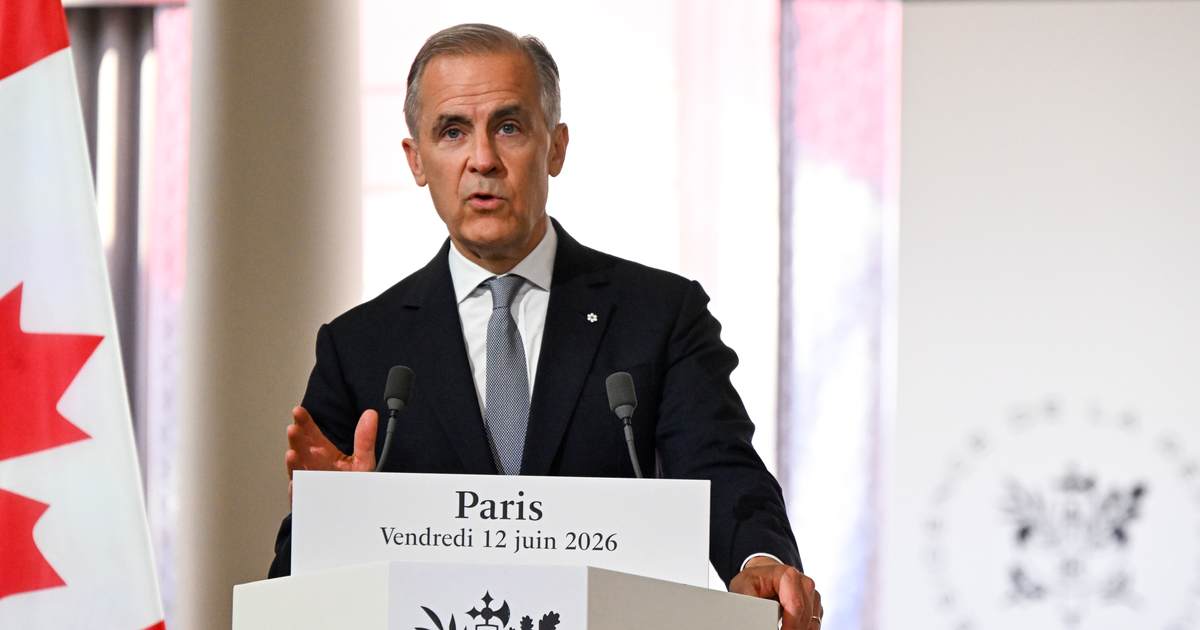
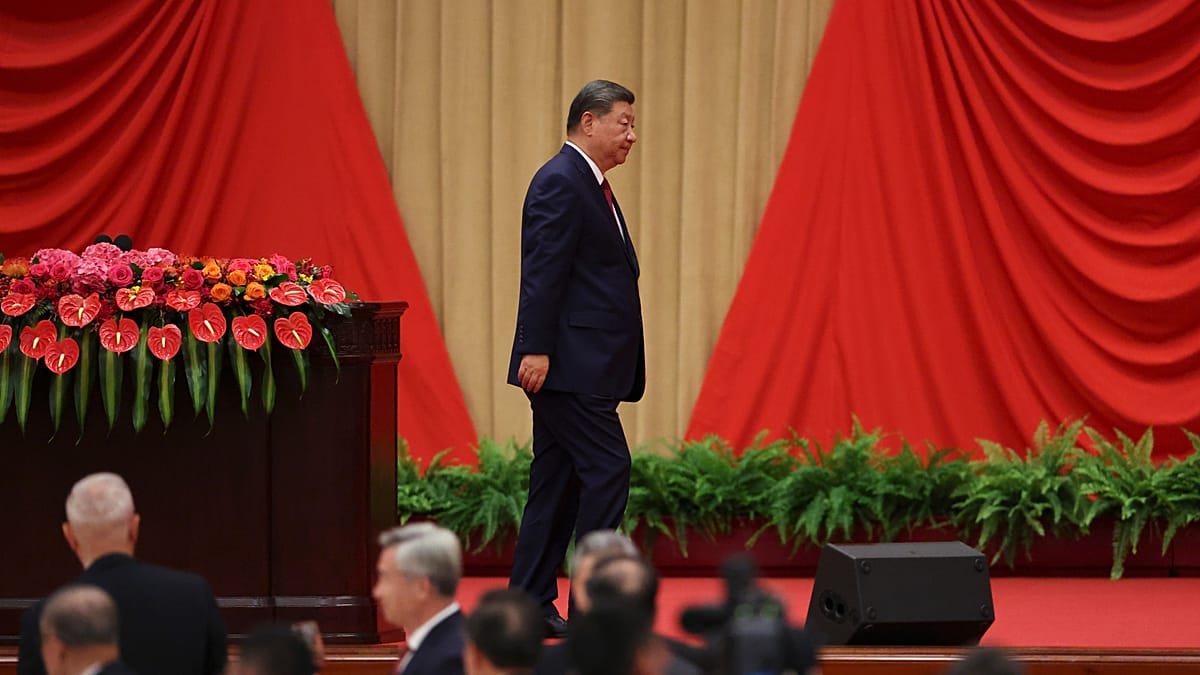
EU Pushes for Rebalancing Trade with China European Commission officials are actively seeking to rebalance trade flows with China, weighing the introduction of tougher trade defense measures. The EU aims to curb imports in additional sectors during upcoming talks with Beijing, a strategy that risks triggering retaliatory actions from China. This development follows recent tensions where China warned that broad EU tariffs, modeled on US measures, could disrupt ongoing negotiations.
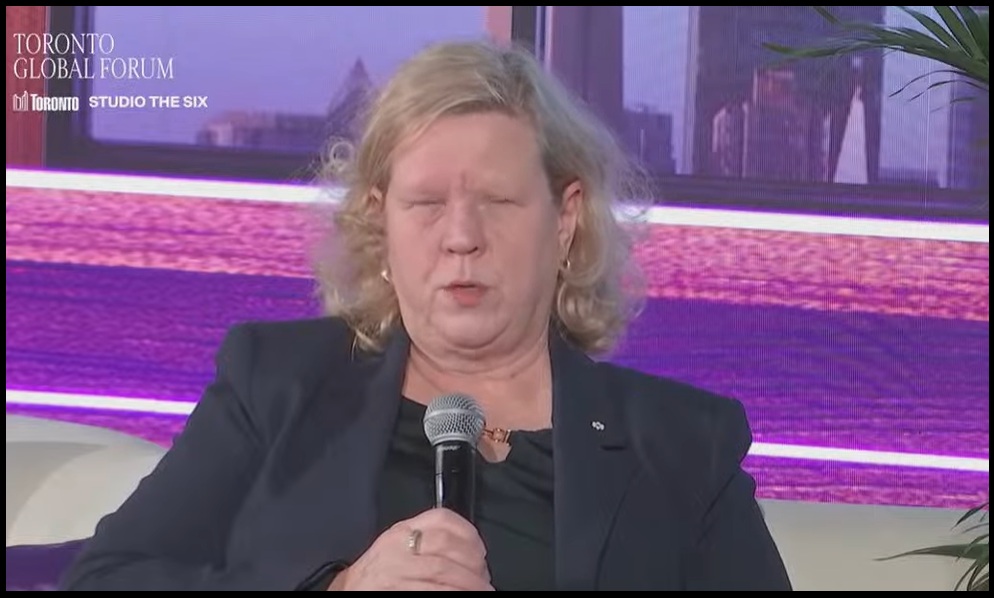
Canadian Trade Negotiator Admits "Tariff-Free" Era is Over Janice Charette, Canada’s chief trade negotiator, has conceded that the era of tariff-free trade with the US is effectively over and may worsen. Her comments reflect a sobering assessment of the new trade landscape following US Supreme Court decisions that upheld executive branch authority to ban trade and potentially exit the USMCA. This admission signals a strategic pivot for Canadian policymakers, who must now prepare for a more fragmented and protectionist North American trade environment.
Tariff & Sanctions Tracker
- United States / Canada: Tariff waivers on specific agricultural and forestry products from Canada. Effective: Immediate/Recent.
- European Union / China: EU officials are weighing safeguard tariffs and voluntary export limits on Chinese hybrid vehicles. Status: Under consideration/In negotiation.
- United States / Global: The US is expanding the use of the False Claims Act to pursue customs violations related to tariff underpayments, increasing enforcement risks for importers. Status: Active enforcement.
By the Numbers
- Effective Tariff Rate: As of August 2026, the effective tariff rate in the US stood at 7.1 percent, according to the Penn Wharton Budget Model.
- US-China Tariff Coverage: Average US tariffs on Chinese exports stand at 35.2 percent, covering 89 percent of all goods, while China’s average tariffs on US exports are at 31.9 percent, covering 100 percent of all goods.
- Corporate Tariff Impact: Global companies have faced more than $35 billion in US tariffs, with a combined financial hit of nearly $15 billion calculated for 2026.
Regional Spotlight
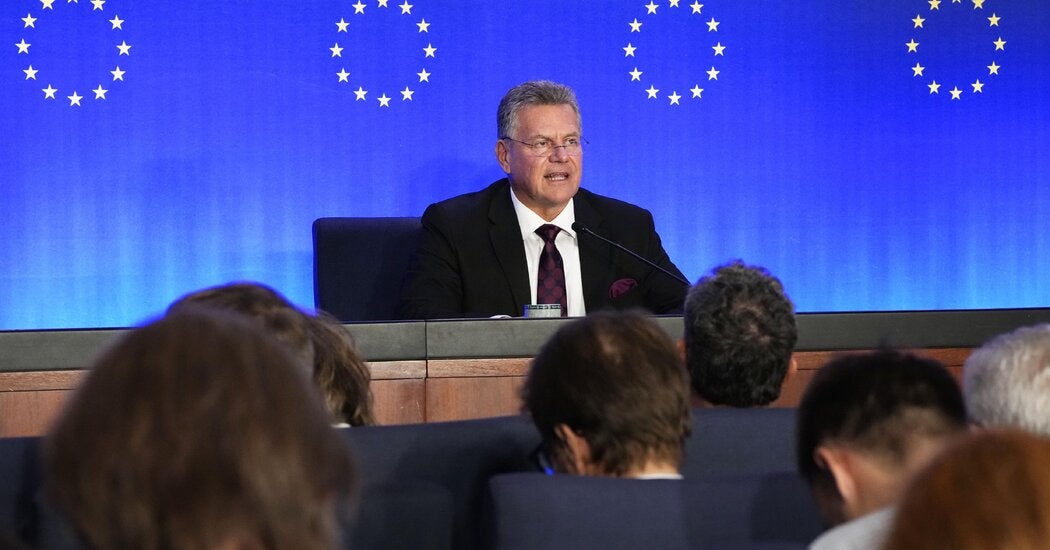
EU-China Hybrid Vehicle Dispute The trade friction between the EU and China has crystallized around the automotive sector, specifically hybrid electric vehicles (HEVs). The EU is seeking to limit Chinese HEV imports, with recent discussions suggesting a deal could roughly halve shipments in the next four years. However, Beijing has rebuffed requests for voluntary caps, raising the prospect of formal safeguard tariffs. This dispute is critical as it tests the EU’s ability to protect its domestic auto industry from what it views as subsidized Chinese competition, while China warns that such measures could derail broader trade negotiations.
What to Watch Next Week
- US Midterm Elections: The outcome of close races in states like Maine could further influence the durability of recent tariff waivers on Canadian agricultural goods.
- EU-China Trade Talks: Follow developments in ongoing negotiations regarding trade defense measures and potential tariffs on Chinese hybrid vehicles.
- DOJ Customs Enforcement: Monitor for new announcements regarding False Claims Act actions against companies for tariff underpayments.
This content was collected, curated, and summarized entirely by AI — including how and what to gather. It may contain inaccuracies. Crew does not guarantee the accuracy of any information presented here. Always verify facts on your own before acting on them. Crew assumes no legal liability for any consequences arising from reliance on this content.
Powered by
