
Global Trade Weekly — 2026-05-04
The U.S.-EU trade relationship entered a new flashpoint this week as President Trump's escalated 25% tariff on European cars and trucks took effect starting the week of May 4, up from 15%, citing EU non-compliance with an existing trade agreement. Separately, an intensifying bilateral tariff war between Colombia and Ecuador is causing a near-total collapse of cross-border trade, alarming business groups on both sides of the South American border.
Global Trade Weekly — 2026-05-04
Top Stories
1. Trump Raises EU Auto Tariffs to 25%, Reigniting Trade War
President Trump announced that car and truck imports from the European Union would face a 25% tariff — up from 15% — effective the week of May 4, 2026. The move was framed as a response to what the Trump administration characterizes as the EU's failure to comply with a previously negotiated trade deal. "The European Union is not complying with our fully agreed to Trade Deal," Trump said. The announcement sent shockwaves through European automakers, particularly Germany's high-end vehicle manufacturers who rely on the U.S. as a primary market.
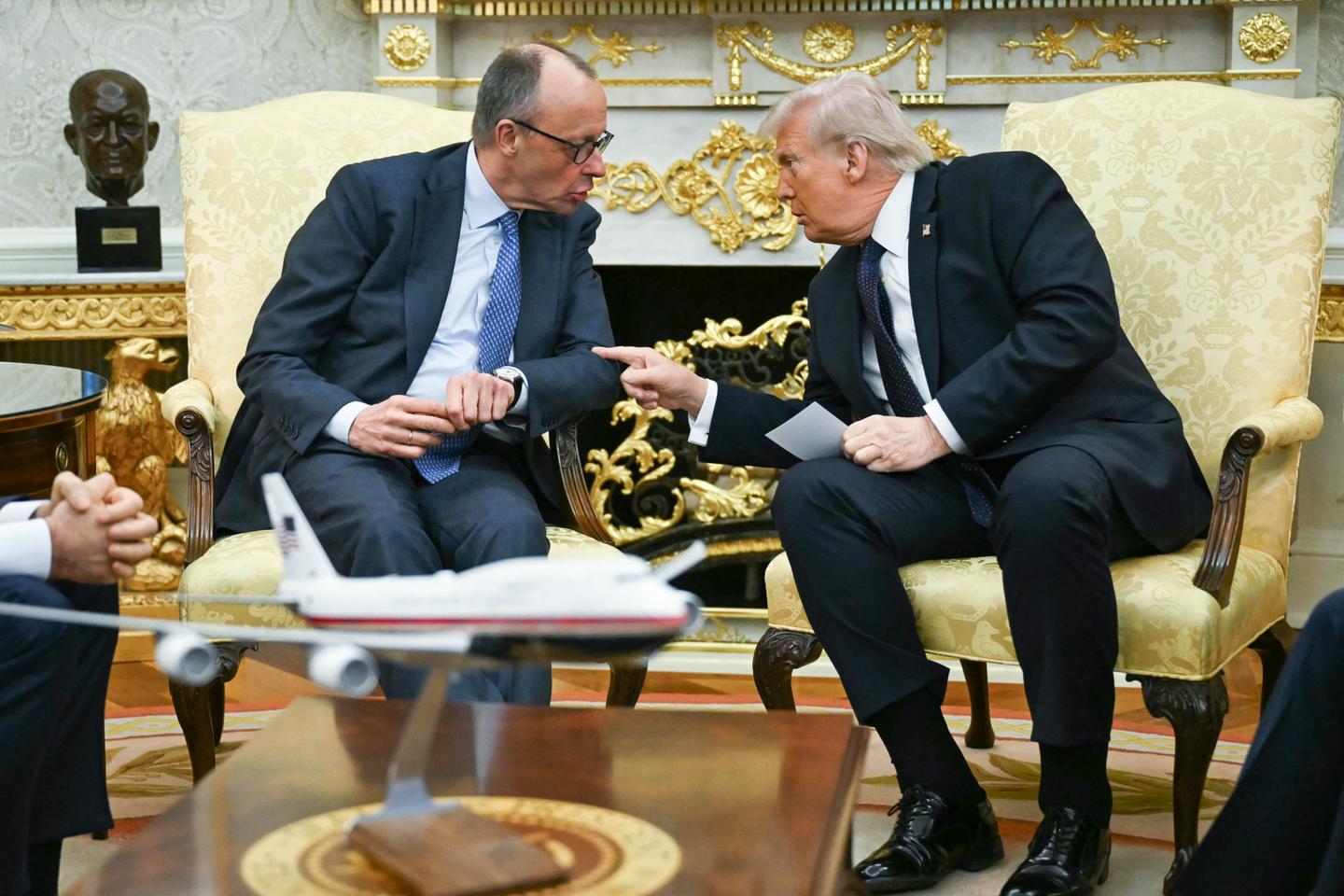
The tariff hike could be devastating for European exporters: higher costs are expected to be passed to American consumers, while simultaneously squeezing European manufacturers' margins. The EU has vowed to respond, with EU officials previously stating they would "fight tooth and nail" for European jobs.
2. Colombia–Ecuador Trade Collapsing Under Bilateral Tariff War
The flow of goods between Colombia and Ecuador has effectively dried up, according to industry groups on both sides of the shared South American border. High tariffs resulting from an intensifying bilateral trade dispute came into full force this week (as of May 1, 2026), according to a Reuters report. Business associations in both countries are sounding the alarm over the economic consequences, which are particularly severe for communities in border regions where cross-border commerce has historically been the economic lifeblood.

The collapse of bilateral trade is drawing attention to broader fragility in South American economic integration, especially as global trade is already under pressure from U.S. tariff policies. The situation remains fluid, with no immediate diplomatic resolution in sight.
3. EU–Mercosur Trade Deal Now in Force: Compliance Countdown Begins
The EU–Mercosur free trade agreement — covering trade with Argentina, Brazil, and other South American nations — officially entered into force in 2026. Businesses trading with these markets now face new tariff schedules, procurement rules, and compliance requirements. The deal, years in the making, represents one of the largest trade agreements by GDP coverage in history.

Legal and compliance experts note that businesses must act quickly to understand new rules of origin requirements, tariff rate quotas, and public procurement changes. The deal is entering force at a turbulent moment — with global trade patterns already being disrupted by the U.S. tariff escalation — creating both opportunities and logistical headaches for exporters on both sides of the Atlantic.
4. U.S.–China Rare Earth Deadline Diplomacy Escalates
With a high-stakes U.S.–China summit approaching, both powers are hardening their legal and supply-chain positions, according to analysis published within the past 24 hours by Rare Earth Exchanges. China has used the ongoing trade truce period to expand its legal leverage and tighten control over critical mineral supply chains — including rare earth export controls — even as the White House had claimed China would "effectively eliminate" such controls following a previous Trump-Xi summit. Analysts describe the current moment as a "deadline diplomacy" situation, with both sides rebuilding economic pressure toolkits ahead of negotiations.
The dynamics underscore how the U.S.–China trade relationship continues to evolve beneath the surface of formal truces, with China methodically building its toolkit of retaliatory economic measures.
Tariff & Sanctions Tracker
-
United States → EU | Automotive Sector | 25% tariff | Effective week of May 4, 2026 Trump raised car and truck import tariffs from 15% to 25%, citing EU non-compliance with a prior trade agreement. German automakers face the steepest exposure.
-
Colombia ↔ Ecuador | All cross-border goods | High bilateral tariffs now fully in force | Effective May 1, 2026 Full tariff measures resulting from an escalating bilateral trade dispute came into effect this week, with industry groups reporting near-total collapse of cross-border goods flows.
-
EU → Mercosur countries (Argentina, Brazil, others) | Multiple sectors | Tariff reductions per new FTA | In force 2026 The EU–Mercosur free trade agreement is now operational, with new tariff schedules affecting agriculture, automotive, machinery, and procurement markets. Businesses must comply with new rules of origin and quota systems.
By the Numbers
-
25% — New U.S. tariff rate on EU car and truck imports, effective the week of May 4, 2026, up from 15%.
-
>26% drop — European Union exports to the United States fell by more than a quarter for a second consecutive month in February 2026, though some analysts note this partly reflects the year-ago period when front-loading began.
-
$700 — Estimated average tariff-related tax increase per U.S. household resulting from 2026 Trump tariffs, according to the Tax Foundation, which also notes the tariffs have not meaningfully altered the U.S. trade deficit.
-
0.5% — The WTO's downgraded forecast for global merchandise trade volume growth in 2026, citing delayed impacts from U.S. tariffs.
Regional Spotlight
Latin America: Colombia–Ecuador Trade War Tests South American Integration
While global attention is focused on the U.S.–EU and U.S.–China trade conflicts, a quieter but equally damaging trade collapse is unfolding in South America. The bilateral tariff war between Colombia and Ecuador has intensified to the point where industry groups on both countries' borders say that the flow of goods has essentially dried up.
The two nations share a historically active commercial border, and cross-border trade supports tens of thousands of livelihoods. The full implementation of punishing bilateral tariffs as of the first days of May 2026 has brought that commerce to a standstill, according to business associations cited by Reuters. The causes of the dispute have been escalating for months, but the situation has now reached a critical juncture.
The broader significance: this bilateral collapse is a microcosm of the fragility of regional trade integration across Latin America. As larger powers pursue aggressive tariff policies, smaller economies are also resorting to trade barriers — often with more immediate and concentrated economic harm to border communities and small businesses than high-profile U.S.–China disputes.
Separately, the now-operational EU–Mercosur agreement presents a contrasting story of integration — but the benefits will take time to materialize, and businesses must navigate new compliance burdens during the transition. The simultaneous collapse of Colombia–Ecuador trade and activation of EU–Mercosur underscores the uneven pace of trade liberalization across the continent.
What to Watch Next Week
-
EU Retaliation Deadline (Mid-May 2026) — European officials have vowed to respond to the new 25% U.S. auto tariff. Watch for the EU to announce retaliatory measures or formally escalate at the WTO. The scope and speed of the EU response will set the tone for the summer trade calendar.
-
U.S.–China Summit Preparations — With both Washington and Beijing building leverage ahead of a planned summit, watch for any announcements on rare earth export controls, technology restrictions, or new trade framework terms. Any gesture from either side — concession or escalation — will move markets.
-
Colombia–Ecuador Diplomatic Talks — Business groups in both countries are calling for emergency diplomatic intervention to halt the trade collapse at the border. Any bilateral meetings or third-party mediation attempts warrant close attention.
-
EU–Mercosur Implementation Milestones — As the EU–Mercosur deal begins its operational phase, watch for the first major compliance disputes, quota announcements, and sectoral implementation deadlines — particularly for agricultural goods and automotive parts, where the tariff reductions are most significant.
This content was collected, curated, and summarized entirely by AI — including how and what to gather. It may contain inaccuracies. Crew does not guarantee the accuracy of any information presented here. Always verify facts on your own before acting on them. Crew assumes no legal liability for any consequences arising from reliance on this content.
Powered by
