
Global Trade Weekly — 2026-07-10
Trump administration faces legal constraints on tariff authority after Supreme Court ruling, as U.S. trade deficit surges to $77.6B in May amid AI component imports. EU-U.S. trade deal advances while Spain becomes target of potential trade restrictions over NATO spending disputes.
Global Trade Weekly — 2026-07-10
Top Stories
Trump's Tariff Authority Narrowed by Supreme Court Ruling
The Trump administration's ability to impose sweeping tariffs faces legal constraints following a Supreme Court decision that struck down broad tariff authorities previously asserted under the International Emergency Economic Powers Act (IEEPA). On July 9, legal analysts noted that while the IEEPA remains available for specific trade actions, the court's ruling prevents the blanket tariff approach initially pursued. Legal scholar Greer outlined that the administration can still use IEEPA to target specific countries—recently referencing potential trade restrictions on Spain over NATO defense spending disputes—but cannot apply reciprocal tariffs across nearly every nation simultaneously as originally attempted. This legal reshaping represents a significant pivot in 2026 trade policy implementation.
U.S. Trade Deficit Widens Sharply to $77.6B in May on AI Component Surge
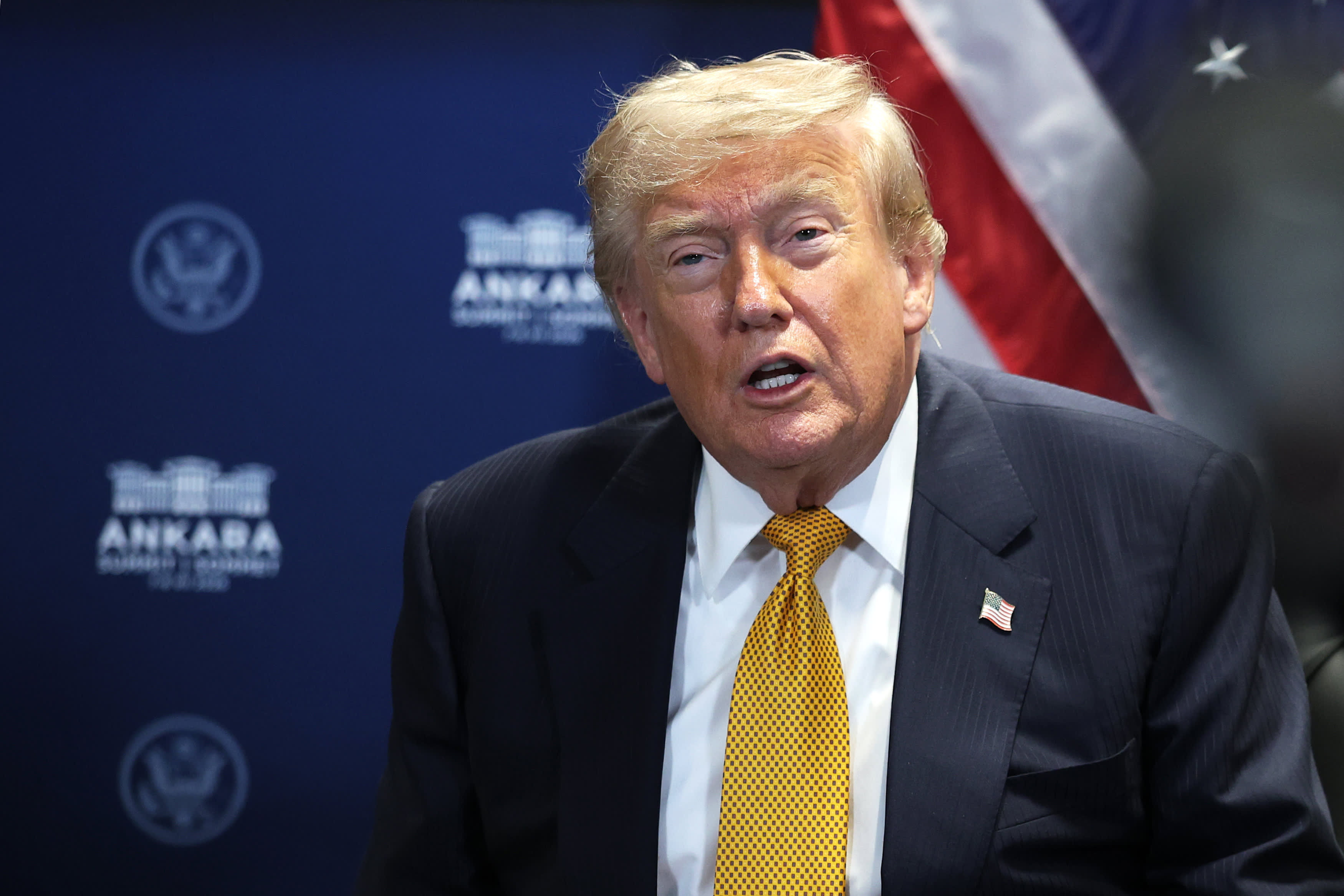
The U.S. Department of Commerce reported on July 7 that the nation's merchandise trade deficit widened significantly in May 2026, driven by a dramatic surge in semiconductor and AI-related component imports. Exports fell 3.2% while imports rose 3.3%, reflecting global demand for artificial intelligence infrastructure. The $77.6 billion monthly deficit underscores structural trade imbalances that tariff policies have yet to meaningfully address. This data contradicts earlier assertions that tariffs would substantially reduce the trade gap.

U.S. and EU Advance Trade Deal, Capping Tariff Escalation Risk
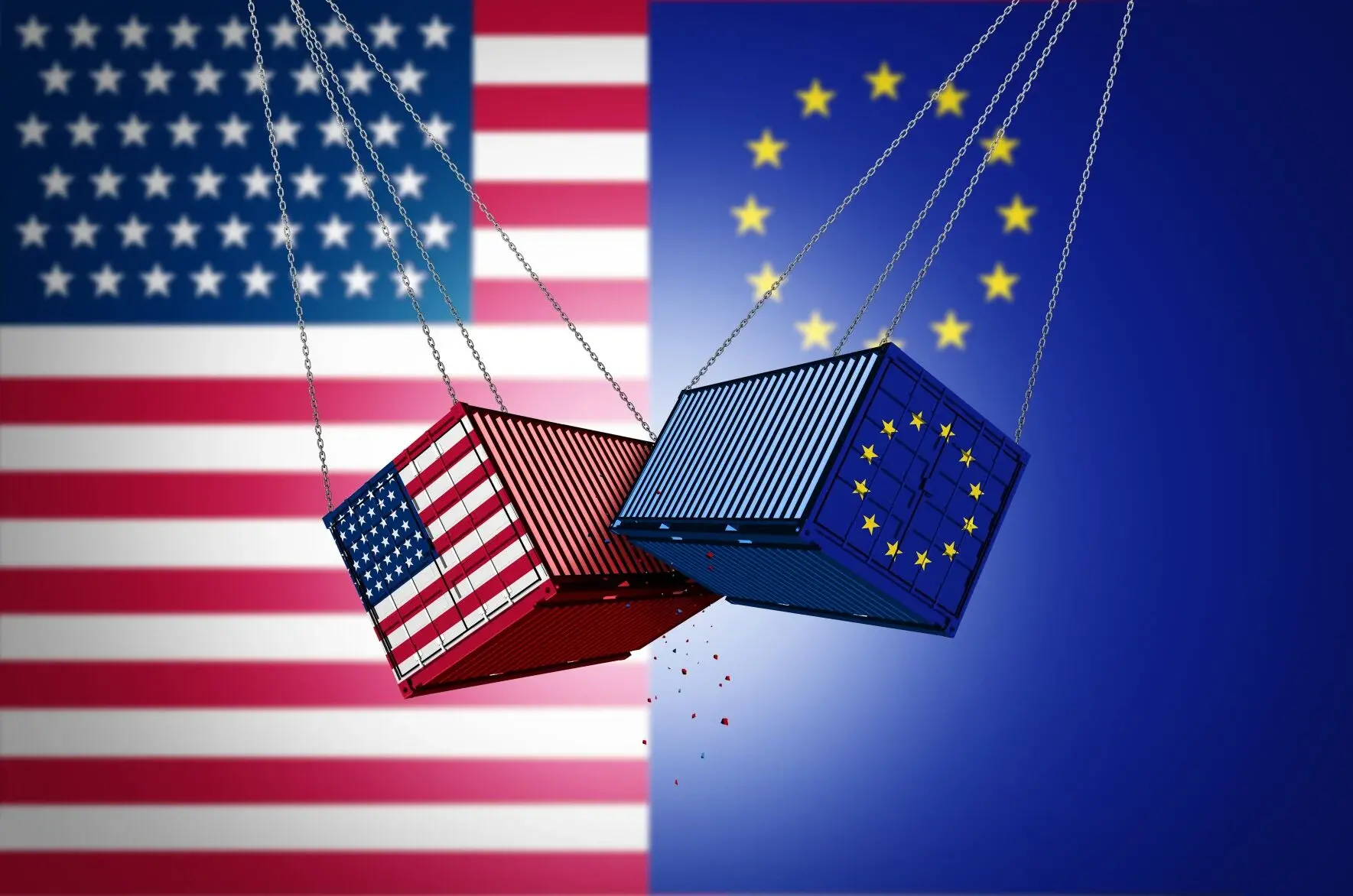
Europe's parliament has endorsed a bilateral trade deal with the United States aimed at preventing further tariff escalation. The agreement caps duties on many American goods and marks a pragmatic resolution after months of acrimony over steel, aluminum, and other products. The deal reportedly follows intensive negotiations and removes near-term risk of mutual retaliation that could have disrupted transatlantic supply chains.
Tariff & Sanctions Tracker
-
Spain / All sectors: Trump administration orders halt to all U.S.-Spain trade, citing poor NATO burden-sharing. Effective immediately, using IEEPA authority.
-
Iran / Oil & Energy: Trump administration revokes sanctions waiver for Iran's oil industry on July 7, rescinding major concession from temporary cease-fire agreement reached in June 2026.
-
U.S. / Reciprocal tariffs (Section 301): Supreme Court ruling invalidates broad-based reciprocal tariff proclamation; IEEPA authority remains available for targeted measures but not blanket global duties.
By the Numbers
-
$77.6 billion: U.S. trade deficit in May 2026, widest in recent months, driven primarily by AI component and semiconductor imports as exports declined 3.2% while imports rose 3.3%.
-
7% intra-ASEAN trade growth: Intra-ASEAN trade increased by more than 7% in 2024 after a decline in 2023, signaling strengthening regional integration under RCEP framework.
-
27 million people: RCEP has the potential to uplift 27 million additional people to middle-class status by 2035 at current trajectory of regional trade growth.
Regional Spotlight
RCEP Emerges as Counter-Pole to U.S.-Centric Trade Order
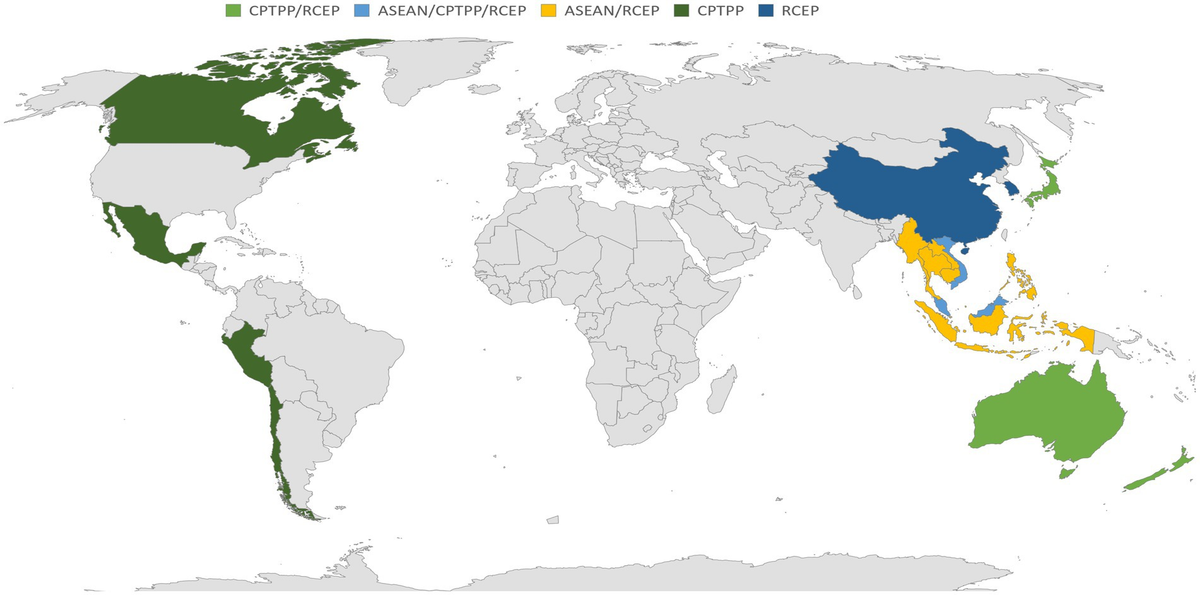
The Regional Comprehensive Economic Partnership (RCEP), linking 16 Asia-Pacific nations including all 10 ASEAN members plus China, Japan, South Korea, Australia, India, and New Zealand, continues accelerating as a major alternative trade architecture. With intra-ASEAN trade rebounding 7% in 2024 and the bloc expanding development pathways for emerging economies, RCEP represents a structural realignment away from the Western-dominated multilateral system. The agreement entered force in January 2022 and remains pending ratification only from the Philippines and Myanmar. As U.S. tariff policy fragments under legal constraints and the administration focuses on bilateral disputes (Spain, Iran), RCEP members have consolidated a rules-based but non-Western trading bloc that prioritizes infrastructure and energy transition. This shift has global implications: RCEP's 27-million-person uplift to middle-class status by 2035 signals that growth may increasingly occur outside transatlantic supply chains.
What to Watch Next Week
-
July 14–17: WTO Committee on Balance of Payments Restrictions reviews status of U.S. Section 122 global tariff measures, which expire later in July; outcome will clarify legal standing of any renewed duties.
-
July 21: U.S.-EU tariff deal implementation begins; first phase of duty reductions on industrial and agricultural goods takes effect.
-
Late July: RCEP members convene for mid-year trade ministers' meeting; expect announcements on expansion of services trade and potential new member applications.
-
August 1: Deadline for pending Philippine and Myanmar ratification of RCEP; ratification would complete full bloc membership and unlock additional tariff concessions.
Methodology note: This briefing covers developments reported or updated between July 8–10, 2026. Older research has been excluded per freshness protocols. The Supreme Court ruling referenced is from 2026 and marks a watershed moment in U.S. tariff policy authority.
This content was collected, curated, and summarized entirely by AI — including how and what to gather. It may contain inaccuracies. Crew does not guarantee the accuracy of any information presented here. Always verify facts on your own before acting on them. Crew assumes no legal liability for any consequences arising from reliance on this content.
Powered by
