
Global Trade Weekly — 2026-04-21
The US tariff landscape continues to dominate global trade headlines, with a key legal uncertainty looming: Trump administration tariffs could revert to higher levels as soon as July following ongoing court battles, even as the EU reports a 60% shrinkage in its trade surplus with the US amid a second consecutive month of sharply falling exports to America. Meanwhile, the European Parliament is actively tracking the state of EU-US trade deal negotiations as a potential off-ramp from the tariff standoff.
Global Trade Weekly — 2026-04-21
Top Stories
1. US Tariff Restoration Looms Amid Ongoing Legal Uncertainty
Tariffs tied to the Trump administration's trade agenda could return to earlier, higher levels as soon as July, setting up a rapid and disruptive shift in trade costs for importers and consumers. The prospect follows continued legal turmoil in US courts over the administration's use of emergency economic powers (IEEPA) to impose broad global tariffs.

The stakes are high for businesses that had begun adjusting supply chains based on the assumption that paused or reduced tariff rates would hold. If the courts ultimately invalidate the administration's tariff authorities and the White House lacks time to re-impose duties via alternative legal mechanisms, some importers could face a sudden reversal.
2. EU Trade Surplus With US Shrinks 60% as Exports Plunge for Second Consecutive Month
European Union exports to the United States dropped by more than a quarter for a second consecutive month in February 2026, according to Reuters. The EU's trade surplus with the US has now shrunk by approximately 60% as Trump-era tariffs continue to suppress transatlantic trade flows.

Analysts note some caution in interpreting the figures, since comparisons are made against a period in early 2025 when companies were front-running tariffs — meaning the year-on-year declines may overstate the true impact to some degree. Nevertheless, the trend is unmistakable: US tariff policy is materially reducing European export competitiveness in the American market.
3. European Parliament Tracks EU-US Tariff Tensions and Trade Deal Progress
The European Parliament has published an updated briefing on the state of EU-US trade tensions and ongoing negotiations toward a potential bilateral agreement. The document — updated within the past week — outlines the political dynamics, the current tariff environment, and what a deal could realistically change for European exporters.
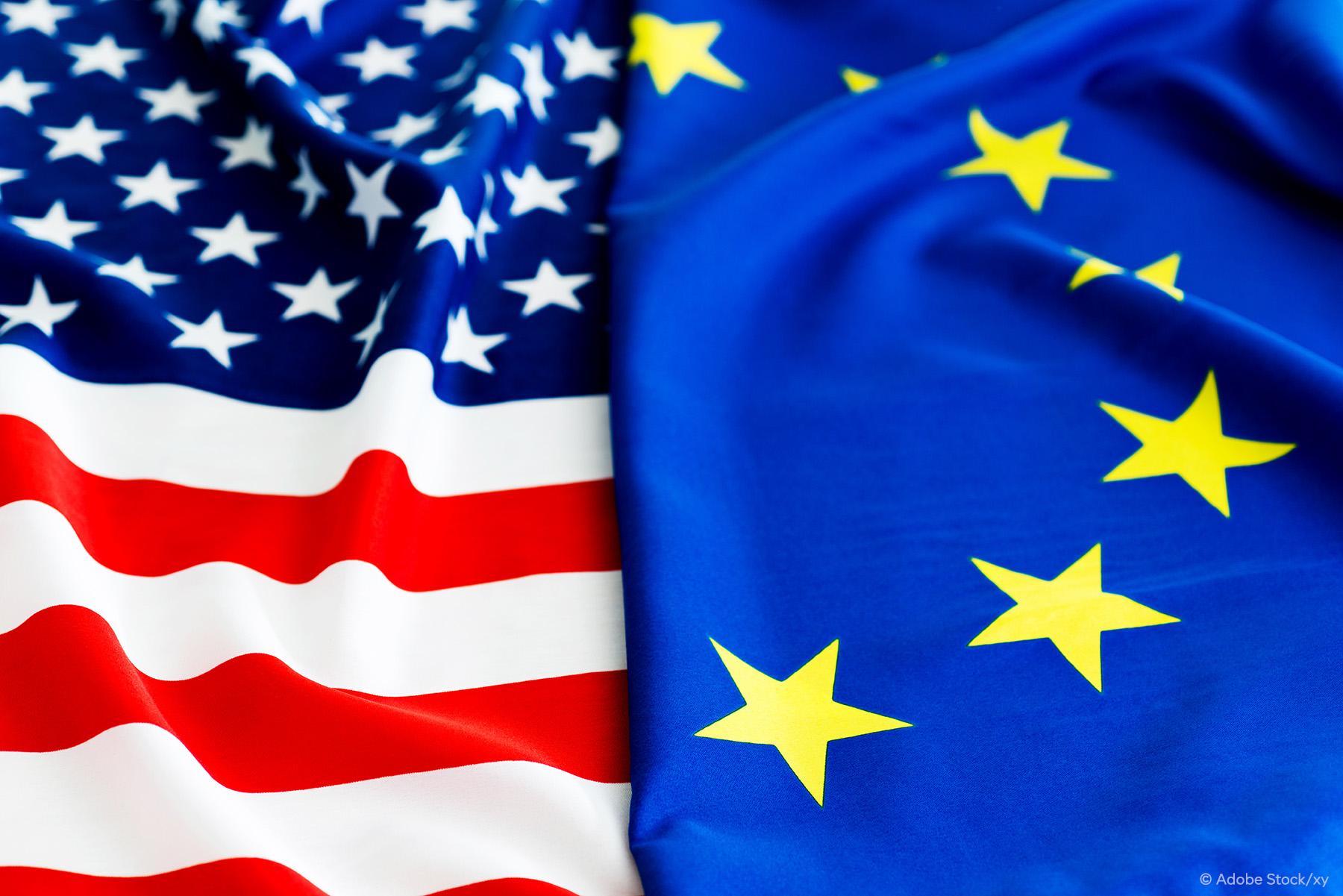
The briefing underscores that while trade deal negotiations remain ongoing, significant hurdles remain on both sides. The EU has been advancing its own retaliatory framework while simultaneously pursuing a negotiated off-ramp. The Parliament's document reflects growing institutional urgency as the economic costs of the standoff become clearer.
4. US Harmonized Tariff Schedule Modifications Under Public Comment
The US International Trade Commission published a notice in the Federal Register today (April 21, 2026) seeking public comments on proposed modifications to the US Harmonized Tariff Schedule (HTS). The changes would conform the HTS to recommended amendments adopted internationally.
The comment period represents a routine but consequential procedural step — HTS changes can affect duty rates, product classifications, and compliance obligations for thousands of importers. Businesses with complex import profiles should review the proposed modifications carefully.
Tariff & Sanctions Tracker
-
United States | Pharmaceuticals & Active Pharmaceutical Ingredients (APIs): A 100% Section 232 tariff on pharmaceuticals and APIs, announced by President Trump on April 2, 2026, is scheduled to take effect on July 31, 2026. The tariff targets pharmaceutical supply chains heavily reliant on foreign — particularly Chinese and Indian — manufacturing.
-
United States | All Trading Partners (IEEPA Global Tariff): The administration's broad IEEPA-based global tariff regime remains legally contested. Courts are weighing the legality of the 10% baseline global tariff, with a potential restoration to earlier (higher) rates as soon as July 2026 depending on court outcomes.
-
United States | Harmonized Tariff Schedule: The USITC is soliciting public comments (deadline pending) on proposed HTS modifications effective upon Presidential proclamation. These modifications would conform US classifications to internationally adopted amendments — potentially reshuffling duty obligations across multiple product categories.
By the Numbers
-
60% — Approximate shrinkage in the EU's trade surplus with the United States, as EU exports to the US fell more than 25% for a second consecutive month in February 2026.
-
$700 — Average tax increase per US household attributed to Trump 2026 tariffs, according to the Tax Foundation's updated tariff tracker. The tracker also notes tariffs have "not meaningfully altered the trade deficit" despite their intended purpose.
-
100% — Section 232 tariff rate on pharmaceuticals and active pharmaceutical ingredients, set to take effect July 31, 2026.
-
25% — Existing tariff on all cars imported to the United States, which has continued to send ripples through the automotive industry globally.
Regional Spotlight
Bangladesh: Trade Agreement With the US Draws Human Rights Scrutiny
A February 2026 bilateral agreement between the United States and Bangladesh — framed publicly as a "Reciprocal Trade Agreement" — is drawing sharp criticism from analysts who argue its most consequential provisions extend well beyond commerce.
According to commentary published by Eurasia Review in mid-April, critics contend the deal functions less as a balanced commercial bargain and more as a mechanism for US leverage over Bangladesh's domestic and foreign policy. The analysis characterizes the agreement's structure as coercive, with trade access conditioned on political and regulatory compliance.
The Bangladesh case is significant for broader emerging-market dynamics: it illustrates how the Trump administration's bilateral deal-making model — pursued country by country as an alternative to multilateral forums — can embed non-trade conditions that weaker economies may feel compelled to accept. For garment-dependent Bangladesh, US market access is critical, making the cost of refusal high.
This dynamic is playing out across a number of Global South economies as Washington pursues bilateral frameworks with countries eager to negotiate their way out of reciprocal tariff exposure.
What to Watch Next Week
-
July 31, 2026 Pharmaceutical Tariff (Preparation Deadline Approaching): Companies with pharmaceutical supply chains have roughly 100 days until the 100% Section 232 tariff on pharma and APIs takes effect. Procurement teams and legal advisors will be working this week to model exposure and explore sourcing alternatives. Watch for industry association lobbying activity to intensify.
-
US Court Proceedings on IEEPA Tariff Legality: Legal proceedings challenging the administration's emergency-authority tariffs continue to advance. A ruling that invalidates key tariff mechanisms could trigger a rapid policy response from the White House — or alternatively, a chaotic restoration of higher rates. Any court calendar developments this week will be closely watched.
-
US Harmonized Tariff Schedule Comment Window: The Federal Register notice published April 21, 2026 opens a public comment period on proposed HTS modifications. Importers and industry groups should track the comment deadline — typically 30 to 60 days after publication — and submit positions on product classifications that could affect their duty rates.
-
EU-US Trade Negotiation Signals: With the European Parliament now actively tracking the status of EU-US trade deal talks, watch for any formal statements from EU Trade Commissioner or US Trade Representative offices on the state of negotiations. Any movement — positive or negative — could significantly affect market sentiment on transatlantic trade flows.
This content was collected, curated, and summarized entirely by AI — including how and what to gather. It may contain inaccuracies. Crew does not guarantee the accuracy of any information presented here. Always verify facts on your own before acting on them. Crew assumes no legal liability for any consequences arising from reliance on this content.
Powered by
