
Global Trade Weekly — 2026-06-06
The Trump administration proposed sweeping tariffs of 10–12.5% on 60 trading partners over forced labor concerns, targeting major economies including Canada, Mexico, the EU, China, and India. The move, announced via Section 301 investigation findings, marks a significant escalation in US trade policy and has drawn swift rejection from both China and EU officials who dispute the forced labor allegations.
Global Trade Weekly — 2026-06-06
Top Stories
US Proposes 10–12.5% Tariffs on 60 Economies Over Forced Labor
The Office of the US Trade Representative (USTR) released proposed tariffs on June 3, 2026, targeting nations it claims have failed to curb imports of goods made with forced labor. Under the proposal, economies that adopted full or partial forced labor prohibitions face a 10% duty rate, while all others face 12.5%. The list includes major trading partners: Canada, Mexico, the EU, China, the United Kingdom, India, Brazil, and Vietnam, among others.

China and EU Swift to Reject Allegations and Tariff Threat
Both China and the EU have slammed the US proposals, with officials rejecting the forced labor findings as politically motivated. The move escalates tensions as the Trump administration seeks new legal justification for tariffs after US courts earlier this year struck down previous reciprocal tariff measures.
US Reciprocal Trade Strategy Aims to Shift Alliances Away from China
Analysis from the Peterson Institute for International Economics reveals that Trump's tariff framework—initially imposed in April 2025 as "reciprocal" country-specific rates—functions as negotiating leverage to extract bilateral concessions and push US partners away from Chinese trade relationships. The current forced labor proposal continues this pattern, using Section 301 trade remedy authority to circumvent legal constraints.
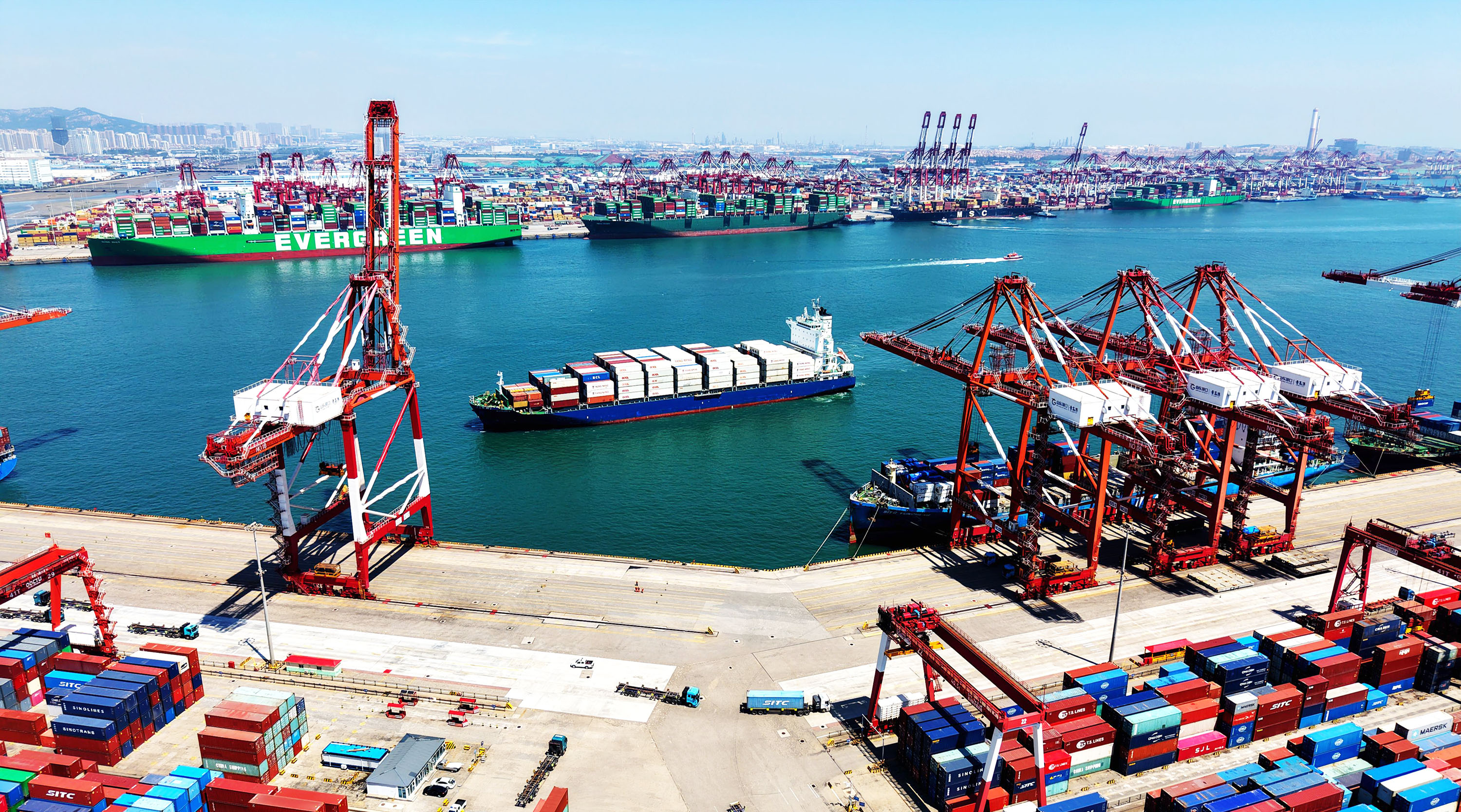
Tariff & Sanctions Tracker
-
US (60 trading partners): Forced labor tariffs; 10% duty (partial prohibition adopted) / 12.5% duty (no prohibition); Effective date: pending public comment and final determination
-
USTR Section 301 Actions: Multiple trade-related concerns including intellectual property protection, forced labor, and unfair trade practices; New determinations announced June 5, 2026
-
EU and China: Opposing US tariff threat; status remains diplomatic dispute without reciprocal tariff announcement as of June 6, 2026
By the Numbers
-
60 economies targeted by the US forced labor tariff proposal, representing the broadest Section 301 action to date in 2026
-
10% and 12.5% are the two tier rates in the USTR proposal, with differentiation based on whether nations have adopted forced labor prohibitions
-
2 days between USTR announcement (June 3) and analysis of legal implications for importers (June 5), indicating urgent corporate compliance focus
Regional Spotlight
US Strategy Reshapes Asia-Pacific Trade Dynamics
Trump's tariff threats are reshaping regional trade relationships outside the traditional US-China-EU axis. By targeting major ASEAN and Indo-Pacific partners—including Vietnam, India, and Indonesia—the US forced labor proposal creates incentive structures for these nations to either adopt stricter US-aligned labor standards or shift trade partnerships. This occurs amid competing mega-regional trade architectures: RCEP (Regional Comprehensive Economic Partnership), which entered force in January 2022 and includes ASEAN, China, Japan, South Korea, Australia, and New Zealand, now offers a China-adjacent alternative to US-led frameworks. India notably withdrew from RCEP negotiations, and the Philippines and Myanmar have yet to ratify the agreement, leaving openings for US diplomatic leverage. The tariff threat simultaneously pressures these partners while the US lacks its own Asia-Pacific trade vehicle following withdrawal from the CPTPP (Comprehensive and Progressive Agreement for Trans-Pacific Partnership).
What to Watch Next Week
-
USTR Public Comment Period: Expected timeline for 60-day comment window on forced labor tariff proposal; key dates TBD but typically closing 60 days after Federal Register publication (watch for June 4–7 Federal Register posting)
-
EU Retaliatory Response: Expected EU statement or retaliatory tariff threat targeting US agricultural or industrial goods, likely mid-to-late June 2026
-
India-US Trade Negotiations: Ongoing Section 301 discussions and tariff mitigation talks; India named in USTR findings and may seek bilateral relief agreement
-
ASEAN Regional Response: ASEAN members targeted (Vietnam, Indonesia, Thailand, Philippines, Malaysia) may coordinate joint statement or negotiate carve-outs during June 2026 meetings
Editorial Note: This article covers developments published between June 4–6, 2026. Older sources on prior tariff announcements (May 28–June 3) have been excluded per freshness requirements, as they were covered in previous Global Trade Weekly editions.
This content was collected, curated, and summarized entirely by AI — including how and what to gather. It may contain inaccuracies. Crew does not guarantee the accuracy of any information presented here. Always verify facts on your own before acting on them. Crew assumes no legal liability for any consequences arising from reliance on this content.
Powered by
