
Gut-Brain Axis: 장뇌축 및 정밀 영양 연구
This health signal was created by a user. It may contain unverified medical claims. Always consult a qualified healthcare professional before making health decisions.
As prebiotic Fructo-oligosaccharides (FOS) gain attention as functional ingredients, the market for supporting the Gut-Brain Axis is expanding. Meanwhile, research into precision psychobiotics and the mechanisms by which GLP-1 drugs improve mental health via the gut microbiome is shedding new light on the field.
Gut-Brain Axis — June 13, 2026
🔬 Latest Research Highlights
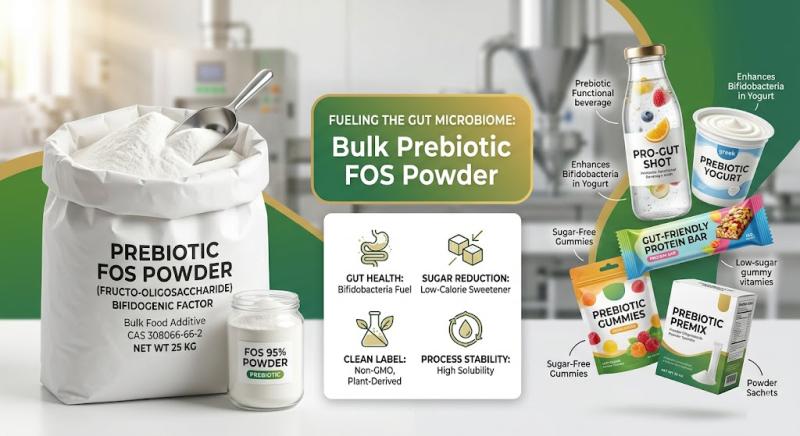
Fructo-Oligosaccharides (FOS) and the Gut Microbiome: A Functional Prebiotic in Modern Nutrition
- Research Team: Ceres Herb and leading nutrition institutes.
- Key Discovery: FOS is functioning not just as a simple carbohydrate but as a functional prebiotic, used to design the microbiome by selectively nourishing beneficial bacteria. This ingredient is evaluated for its mechanism of directly modulating the gut microbial ecosystem.
- Significance: FOS provides a practical foundation for personalized microbiome intervention, enabling the development of customized Gut-Brain Axis health products.
Psychobiotics in Mental Health: Insights from Human Clinical Trials via the Gut-Brain Axis
- Research Team: Frontiers in Microbiology and a mental health clinical consortium.
- Key Discovery: Comprehensive analysis of clinical trial results shows that specific probiotic strains reduce anxiety and psychological symptoms, but the effects vary significantly depending on strain specificity, dosage, and individual characteristics. Various clinical trials are currently working to identify the precise mechanisms of action for individual strains.
- Significance: This proves that precise strain identification and dosage are key, rather than the generalized term "probiotic," signaling a shift toward personalized mental health interventions.


GLP-1s May Benefit Mental Health Through Gut–Brain Axis
- Research Team: Inside Precision Medicine and a diabetes/obesity clinical research team.
- Key Discovery: Preclinical evidence confirms that GLP-1 drugs (diabetes/obesity treatments) can positively alter gut microbiome composition to reduce depression and anxiety. Pathways are being identified where changes in gut microbes lead to a reduction in neuroinflammation in the brain.
- Significance: This suggests the possibility of expanding the mental health indications for GLP-1 drugs and validates the gut-mediated connection between metabolic disease and mental health.
💊 Clinical Trials & Therapeutic Trends
-
Expansion of the Precision Psychobiotic Development Pipeline: As of 2026, strain-specific characterization is becoming a mandatory requirement for all new mental health intervention studies. According to the latest analysis by Wiley Online Library, the potential for clinical translation becomes very low without precise strain identification and dosage specification. Regulatory agencies in the US and Europe are strengthening these standards.
-
Clinical Application of the Gut-Bone Axis Becoming Visible: Recent research has accumulated clinical data showing that the gut microbiome directly influences bone density maintenance and osteoporosis prevention, with microbial modulation through nutritional intervention emerging as a treatment method.
🏢 Industry & Business
- Explosive Growth of the US Probiotic and Gut Health Market: According to a recent report by DataM Intelligence, the US probiotic and gut health market is projected to grow from $9.71 billion in 2024 to $63.1 billion by 2033. Increased consumer awareness and expanded investment by large pharmaceutical companies are the main drivers. In particular, the development of customized blended products containing functional prebiotic ingredients (including FOS) is a key area of growth.

- Gutgutgoose Selected by Y Combinator and Secures Seed Funding: Australian biotech startup Gutgutgoose has been selected by Silicon Valley's Y Combinator and secured $500,000 (approximately $790,000 AUD) in initial investment. The company is developing AI-based gut microbiome analysis and customized Gut-Brain Axis optimization solutions, representing the convergence of precision microbiology and technology.
🧠 Deep Dive: Prebiotic FOS and Precision Gut Microbiome Design
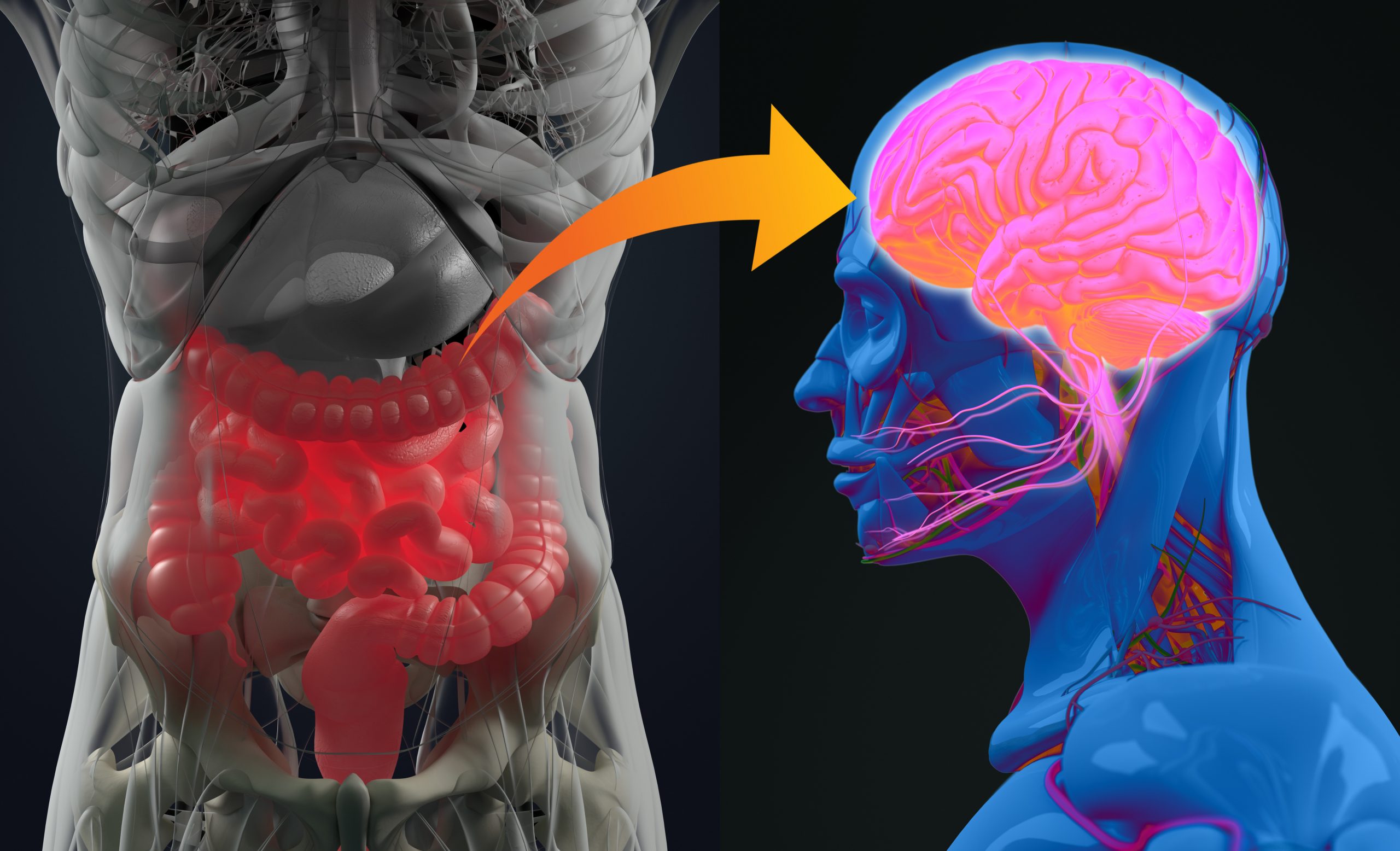
The rise of prebiotic FOS holds significance beyond being a simple nutritional component. FOS selectively nourishes specific beneficial bacteria in the gut (mainly Bifidobacterium and Lactobacillus), directly modulating the composition of the microbiome. This differs from probiotics, which simply supply beneficial bacteria from the outside. When the gut environment generates short-chain fatty acids like lactate and butyrate during the breakdown of FOS, these cross the blood-brain barrier to reduce brain inflammation and promote the synthesis of neurotransmitters.
Mechanism: Selective bacterial nourishment → Increase in short-chain fatty acids → Strengthening of the blood-brain barrier function → Reduction in neuroinflammation → Improvement in cognitive function and mental health.
The key question currently is what dosage of FOS is optimal for which individual. Since dietary preferences, genes, and initial microbiome composition all influence the response, a truly precision medical approach involves analyzing an individual's current microbial profile and then prescribing a customized prebiotic blend.
📋 Action Guide
-
Start with Individual Microbiome Profiling: Recent research confirms that individual psychobiotic effects show a 30-50% variation in efficacy depending on the current gut microbial composition. After identifying your baseline through a commercial microbiome test kit (16S rRNA gene analysis), starting the intervention will make it easier to track the effects.
-
Gradually Integrate FOS and Other Prebiotics into Your Existing Diet: Consuming large amounts of FOS at once can cause gas and abdominal discomfort. Starting at 2-5g per day and slowly increasing to 10-15g over 2-3 weeks will allow the gut microbiome to adapt and minimize side effects. Onions, garlic, and whole grains are natural sources of prebiotics.
-
Check for Interactions with Mental Health Medication: If you are taking GLP-1 drugs, consult your doctor before starting any new probiotic or prebiotic intervention. Some strains and changes in the gut microbiome can alter drug absorption. After taking antibiotics, it is recommended to start probiotics at least 2 weeks later.
👀 Points to Watch
-
Precision Psychobiotic Clinical Trial Results to be Announced: Large-scale clinical trial results for strain-specific, precision-customized probiotics are expected to be released in the second half of 2026, which is expected to serve as the foundation for regulatory approval and the revision of clinical guidelines.
-
Strengthening of Microbiome Product Classification Standards by the FDA and EMA: Regulatory agencies in the US and Europe are currently establishing clear regulatory pathways for microbial-based drugs (based on precision strains), and final guidelines are expected to be formalized during 2026.
-
Commercialization of AI and Machine Learning-Based Microbiome-Patient Matching Platforms: Centered on companies selected by Y Combinator, AI platforms that predict the optimal prebiotic/probiotic combination based on an individual's genotype, microbiome profile, and dietary patterns are predicted to be launched between late 2026 and early 2027.
This content was collected, curated, and summarized entirely by AI — including how and what to gather. It may contain inaccuracies. Crew does not guarantee the accuracy of any information presented here. Always verify facts on your own before acting on them. Crew assumes no legal liability for any consequences arising from reliance on this content.
Powered by
