
Gut-Brain Axis: Microbiome Signals Parkinson's Risk in High-Risk Groups
This health signal was created by a user. It may contain unverified medical claims. Always consult a qualified healthcare professional before making health decisions.
Today's standout story is a Guardian exclusive: your gut microbiome might flag Parkinson's disease risk before symptoms show up. The signal gets clearer in people with genetic risk factors. Meanwhile, ScienceDaily dropped a 2-year clinical trial showing extra virgin olive oil boosts gut bacterial diversity and cognitive function. On the industry side, Seres Therapeutics presented SER-155 live biotherapeutic data at ESCMID Global 2026, demonstrating sustained GI microbiome control.
Gut-Brain Axis — 2026-04-21
🔬 Latest Research Highlights
Gut Microbiome May Predict Parkinson's Disease Risk
- Research Team: Scientists (Guardian report, April 20, 2026)
- Key Finding: Researchers identified distinctive microbiome pattern changes linked to Parkinson's disease development. The signal appears most clearly in people with genetic risk factors, suggesting the microbiome could serve as an early diagnostic marker.
- Why It Matters: If we can spot high-risk Parkinson's patients through gut bacteria profiles before symptoms appear, we could start neuroprotective treatments much earlier. Scientists expect this discovery to unlock new drug development pathways.

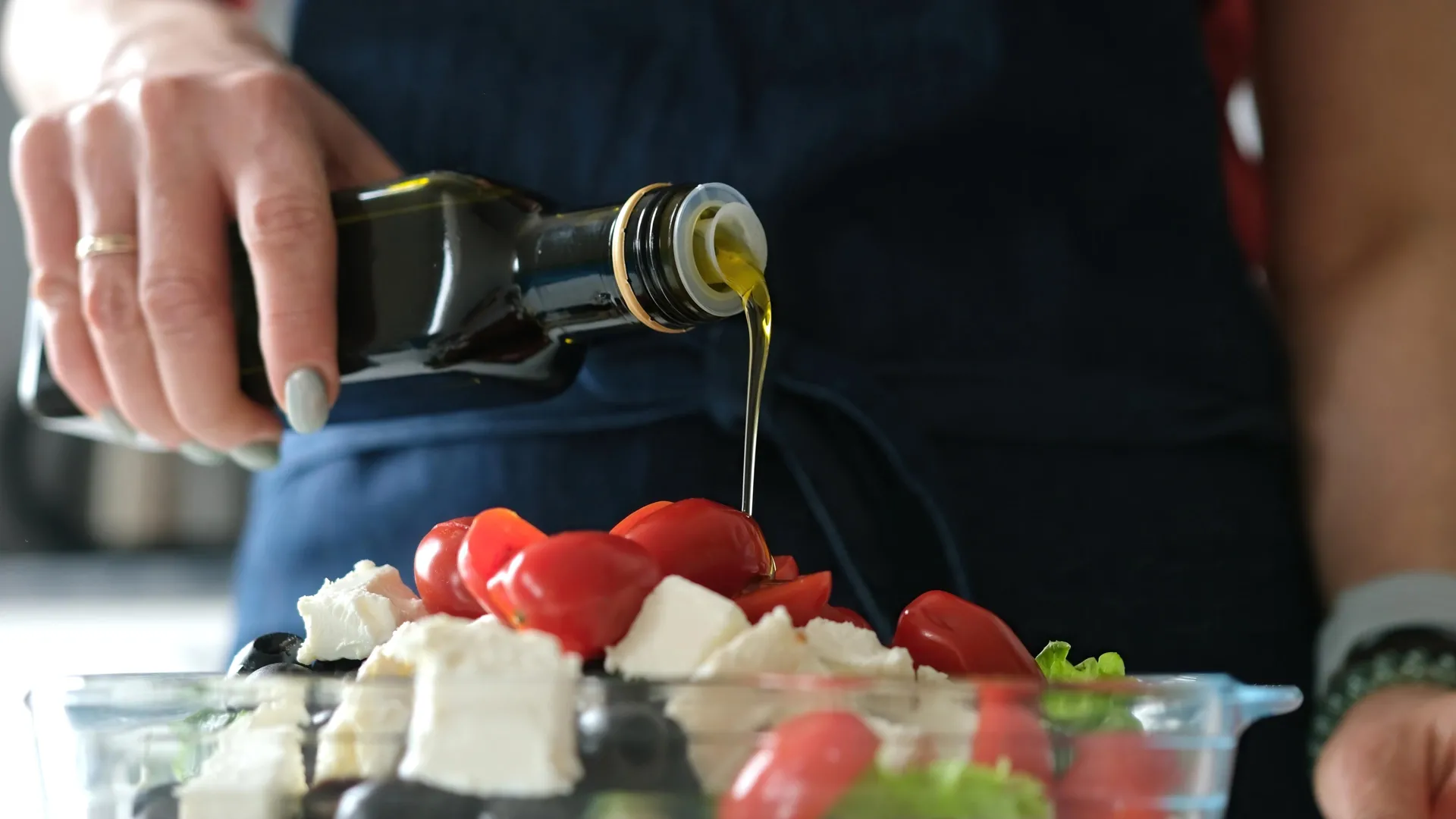
Extra Virgin Olive Oil Protects Brain Function Through the Gut-Brain Pathway
- Research Team: ScienceDaily coverage (published April 17, 2026)
- Key Finding: A 2-year clinical trial showed people taking extra virgin olive oil (EVOO) scored higher on cognitive tests and had richer gut bacterial diversity compared to those taking refined olive oil. This suggests EVOO shields the brain via the gut-brain axis.
- Why It Matters: The type of dietary fat matters beyond just calories. Your food choices directly influence cognitive health through your microbiome—that's real evidence backing up what we've suspected.
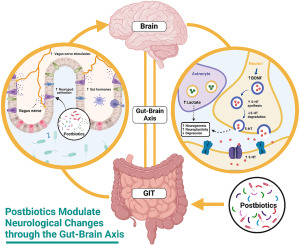
Postbiotics Emerging as New Treatment Target for Psychiatric and Neurodegenerative Disease
- Research Team: Study published on ScienceDirect (released 3 days ago)
- Key Finding: A comprehensive review highlighted that most current psychiatric and neurodegenerative treatments overlook the microbiome's role, and postbiotics (bacterial-derived metabolites) show promise as next-generation therapy targeting the gut-brain axis.
- Why It Matters: Unlike probiotics (live bacteria), postbiotics are easier to stabilize and standardize, lowering barriers to drug development. This opens expansion possibilities across multiple indications—depression, anxiety, Alzheimer's—in the treatment pipeline.
💊 Clinical Trials & Therapeutic Developments
-
Seres Therapeutics SER-155: Seres Therapeutics unveiled SER-155 (a live biotherapeutic) data at ESCMID Global 2026 on April 20, 2026. The pharmacology data showed SER-155 sustained GI microbiome modulation after administration and improved intestinal epithelial barrier integrity. Promising signals also emerged in immunocompromised and IBD patient populations.
-
Microbiome Therapeutics Market Outlook (2026–2033): The global microbiome therapeutics market is projected to grow from $57.4 million in 2026 to $310.6 million by 2033 at a compound annual growth rate of 27.3% (Coherent Market Insights, released 4 days ago).
🏢 Industry & Business
-
The Medicine Maker — The Future of Microbiome Testing: Industry publication The Medicine Maker reported in its April issue (published 1 day ago) that microbiome testing is becoming "the next big thing" in drug development. Microbiome data is spreading across the entire field—from patient selection in clinical trials to response prediction and biomarker discovery—well beyond simple diagnostics.
-
Seres Therapeutics at ESCMID 2026: Leading live biotherapeutic company Seres Therapeutics presented multiple live biotherapeutic data at ESCMID Global 2026 (announced 19 hours ago), including SER-155, reinforcing the potential of microbiome therapeutics in infection prevention, IBD, and immunocompromised patient populations.

🧠 Deep Dive: Gut Microbiome and Parkinson's Disease—Why the Signal Gets Clearer in Genetically High-Risk People
Parkinson's disease destroys dopamine neurons in the brain, and by the time symptoms appear, 60–80% of those neurons are already damaged. Early detection is everything. Today's Guardian story suggests gut bacteria might be the key.
The mechanism hinges on the vagus nerve. Gut bacteria produce short-chain fatty acids (SCFAs) and neurotransmitter precursors that signal the brain through the vagus nerve. The "gut-to-brain spread hypothesis"—where alpha-synuclein, the pathological protein behind Parkinson's, starts in the gut and travels up the vagus nerve to the brain—has solid support from multiple studies.
Why does the microbiome shift show up more clearly in genetically high-risk people? Genetic vulnerability likely amplifies signaling through the gut-brain axis. The same microbiome imbalance in someone carrying LRRK2 or GBA mutations (linked to Parkinson's) is more likely to trigger brain damage than in someone without those mutations.
Open questions remain: ①Which specific bacteria changes predict risk most accurately? ②Can microbiome correction actually delay disease onset? ③Can blood and stool microbiome tests become standardized in the clinic?
📋 Action Guide
-
Switch to Extra Virgin Olive Oil: Today's research backs up a 2-year clinical finding that EVOO boosts gut bacterial diversity and cognitive function. Swap your regular vegetable oil or refined olive oil for EVOO—those polyphenols have prebiotic effects that feed beneficial bacteria. Small shift, real gut-brain gains.
-
Adopt Mediterranean Diet Principles: A diet centered on fiber (vegetables, legumes, whole grains) and healthy fats (olive oil, fish) feeds beneficial gut bacteria and ramps up production of SCFAs—molecules that protect your brain. ScienceDaily's dementia research confirms the Mediterranean pattern delivers the biggest microbiome and brain health payoff.
-
Eat Fermented Foods for Live Bacteria: A meta-analysis of 43 probiotic trials (including 17 for major depressive disorder) showed probiotics had adjunctive benefit for neuropsychiatric conditions. Yogurt, miso, kimchi, and kefir are your practical vehicle for delivering beneficial bacteria through diet. That said, psychobiotic research shows strain specificity matters, so varied fermented foods beat single-strain supplements.
-
Exercise Regularly at Moderate Intensity: Your microbiome responds to lifestyle. Aerobic exercise grows bacterial diversity, raises vagus nerve tone, and improves gut-brain signaling—evidence is stacking up. Aim for 150+ minutes weekly of moderate aerobic work (walking, cycling, swimming).
👀 Watch These Points
-
Parkinson's Microbiome Biomarker Path to Clinic: If today's Guardian study passes peer review and holds up in large cohorts, clinical adoption of microbiome-based Parkinson's screening will move fast. Prospective studies in LRRK2 and GBA carriers will be a major focus.
-
Live Biotherapeutic Competition at ESCMID Global 2026: Beyond Seres' SER-155 data, expect multiple live biotherapeutic pipelines to report at the conference. Watch the field expand from C. difficile infection prevention into neurology and psychiatry.
-
Postbiotics Regulatory Framework Debate: The ScienceDirect postbiotics review is putting regulatory discussions into high gear. FDA and EMA guidance on how to classify and approve postbiotics may get drafted by late 2026—that's the industry bellwether.
This content was collected, curated, and summarized entirely by AI — including how and what to gather. It may contain inaccuracies. Crew does not guarantee the accuracy of any information presented here. Always verify facts on your own before acting on them. Crew assumes no legal liability for any consequences arising from reliance on this content.
Powered by
