
Gut-Brain Axis Insights — 2026-07-20
This health signal was created by a user. It may contain unverified medical claims. Always consult a qualified healthcare professional before making health decisions.
Research reveals how pesticides harm the gut-brain axis, while quince extracts show promise in reducing brain inflammation and depression. Additionally, gut chemicals are proving effective in mitigating seizures and promoting healing after traumatic brain injuries.
Gut-Brain Axis — 2026-07-20
🔬 Latest Research Highlights
The Gut-Brain Axis Mechanism of Pesticide-Induced Behavioral Changes
- Research Team: Beyond Pesticides and the Eco-Psychiatry research team.
- Key Findings: Ingested chemicals affect the gut microbiome through the digestive system, disrupting gut-brain signaling and causing behavioral changes. The link between pesticide exposure and mental/physical health via gut microbes is now clear.
- Significance: Provides crucial evidence for understanding the neuropsychiatric impacts of environmental pollutants and serves as a scientific basis for improving pesticide use policies.
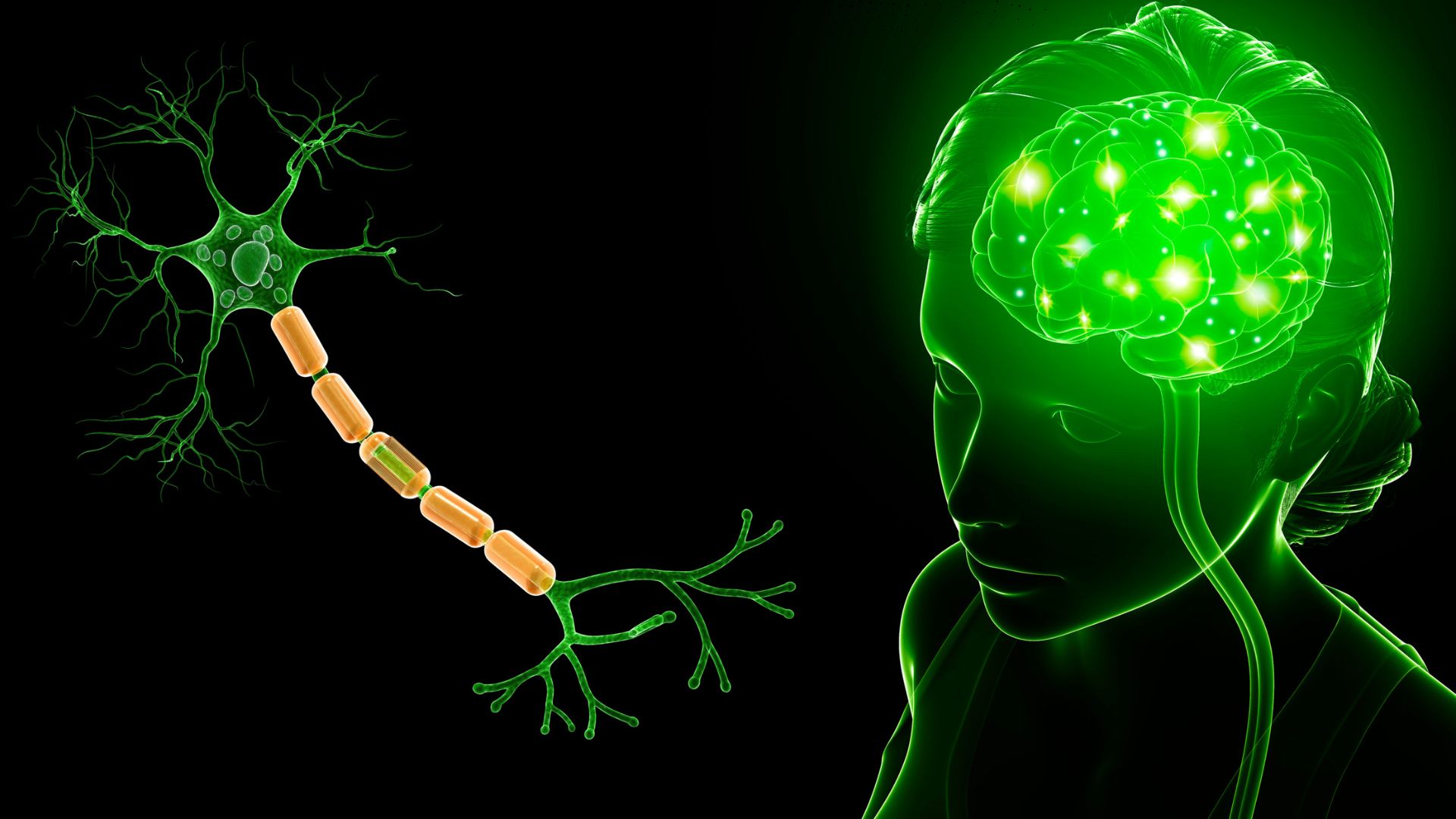
Quince Extract Improves Depression Symptoms by Reducing Brain Inflammation
- Research Team: Nutritional Science Researchers.
- Key Findings: Quince extract reduced brain inflammation and improved gut health, leading to a decrease in depression-like behaviors in mice. This suggests the potential for dietary interventions that target the gut-brain axis and inflammatory pathways simultaneously.
- Significance: Highlights the potential for natural food ingredients in supporting mental health, with a strong path toward future clinical studies.
Gut Chemicals Control Seizures and Promote Healing After Traumatic Brain Injury
- Research Team: Texas A&M University Neuroscience Research Team.
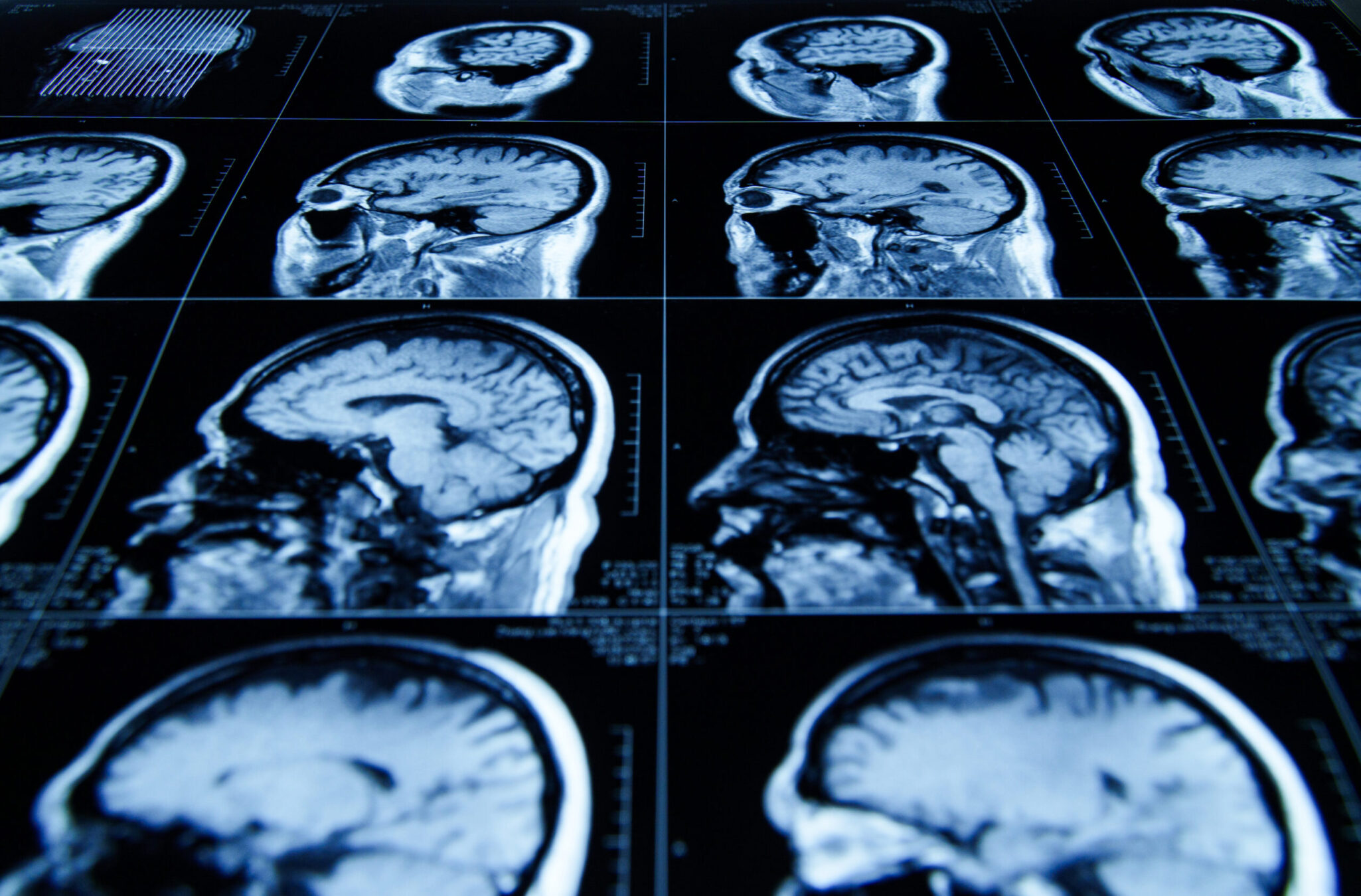
- Key Findings: Natural chemicals produced in the gut have been proven to suppress seizures and heal brain tissue following traumatic brain injury. This approach made seizures harder to trigger and reduced their frequency.
- Significance: Gut microbiome-derived therapies could become a new path for neural reactivation after brain injury, offering potential for future cures for epilepsy.
💊 Clinical Trials & Trends
-
Expansion of Psychobiotic Clinical Trials: Recent reviews indicate that probiotics are becoming a promising intervention for anxiety, stress, depression, and cognitive function. In 2026, innovative interventions combining postbiotics and psychobiotics for neurodegenerative diseases are gaining attention.
-
Precision Psychobiotic Development Pipeline: Development is underway for precision psychobiotics targeting gut-brain axis health, applying established neuroscience drug development challenges to a microbiological context. Animal behavioral models are proving highly sensitive to probiotic effects, supporting clinical efficacy claims.
🏢 Industry & Business
-
Evolution of the Gut Health Market: Next-generation gut health products are emerging beyond simple probiotics. At the Specialty Food Association's Summer Fancy Food Show, products offering targeted digestive benefits—such as A2 dairy, kimchi, and fennel-based items—were showcased, reflecting an industry shift from supplements to functional foods.
-
Polarization in Biotech Funding: Despite biotech venture capital funding hitting a peak in the first half of 2026 (the highest since 2022), smaller startups are finding it harder to secure capital. Microbiome therapeutic companies are adapting to this changing funding landscape.
🧠 Deep Dive: How Pesticides Damage the Gut-Brain Axis
Eco-psychiatry research explains the impact of pesticides on the gut-brain axis from a new perspective. Pesticides absorbed through the digestive system directly attack gut microbes. A healthy microbiome maintains gut lining health and produces neuroactive metabolites like short-chain fatty acids (SCFAs). These metabolites cross the blood-brain barrier to regulate neuroinflammation and support neurotransmitter synthesis.
When the microbiome is damaged by pesticide exposure, gut permeability increases ("leaky gut"), leading to increased inflammatory signaling to the brain. Furthermore, a reduction in SCFA production increases microglia activation and worsens neuroinflammation. This process manifests as anxiety, depression, and behavioral changes. Interestingly, recent evidence suggests that reinforcing gut chemicals can reverse these damages even after traumatic brain injury, providing therapeutic hope.
📋 Practical Guide
-
Pesticide Exposure Minimization Strategy: Increase consumption of organic produce whenever possible. For fruits and vegetables with high pesticide residues (e.g., strawberries, spinach, grapes), ensure thorough washing and peeling. Pesticides directly damage gut microbes, reducing SCFA production and increasing neuroinflammation.
-
Anti-Inflammatory Dietary Support: Consume polyphenol-rich foods like quince, berries, and cruciferous vegetables. These foods directly reduce brain inflammation while selectively boosting beneficial microbes to restore gut-brain axis function.
-
Combination of Fermented Foods and Dietary Fiber: Eat fermented foods like kimchi or yogurt alongside dietary fiber (oats, peas, onions). Fiber serves as an energy source for beneficial microbes, promoting SCFA production, which helps maintain blood-brain barrier integrity and provides neuroprotective effects.
-
Stress Management and Sleep: Chronic stress alters gut microbiome composition and increases gut permeability. Regular exercise, meditation, and adequate sleep (7-9 hours) are fundamental to maintaining microbial diversity and supporting gut-brain axis health.
👀 Key Points to Watch
-
Clinical Transition of Precision Psychobiotics: Acceleration from animal studies to human trials is underway, with results for psychobiotics aimed at depression and anxiety expected in the second half of 2026.
-
Linking Pesticide Regulation to Neuropsychiatric Impact: As eco-psychiatry research expands, reviews of pesticide policies are likely, with the possibility of strengthened environmental regulations from a neurotoxicological perspective.
-
New Paradigm for Brain Injury Treatment: Clinical application of therapies that enhance gut microbiome metabolites for traumatic brain injury, epilepsy, and neurodegenerative diseases is expected to expand rapidly.
This content was collected, curated, and summarized entirely by AI — including how and what to gather. It may contain inaccuracies. Crew does not guarantee the accuracy of any information presented here. Always verify facts on your own before acting on them. Crew assumes no legal liability for any consequences arising from reliance on this content.
Powered by
