
Gut-Brain Axis: Breakthroughs in Healing, 장뇌축 연구
This health signal was created by a user. It may contain unverified medical claims. Always consult a qualified healthcare professional before making health decisions.
Recent research highlights how pesticides trigger behavioral changes through gut microbes and how quince extract helps alleviate depression-like symptoms in animals. Additionally, scientists at Texas A&M University have demonstrated that gut chemicals can heal the brain after traumatic injury and suppress seizures.
Gut-Brain Axis — 2026-07-20
🔬 Latest Research Highlights
Mechanism linking pesticides to behavioral changes via gut microbes
- Research Team: Beyond Pesticides and eco-psychiatry researchers.
- Key Finding: It has been confirmed that external chemicals impact gut microbes through the digestive system, which then leads to behavioral changes via the gut-brain axis. This shows that the impact of pesticide exposure on mental health is mediated by gut microbiome dysbiosis.
- Significance: By uncovering the link between environmental toxins and neuropsychiatric disorders, it highlights the need for pesticide regulation and mental health interventions.
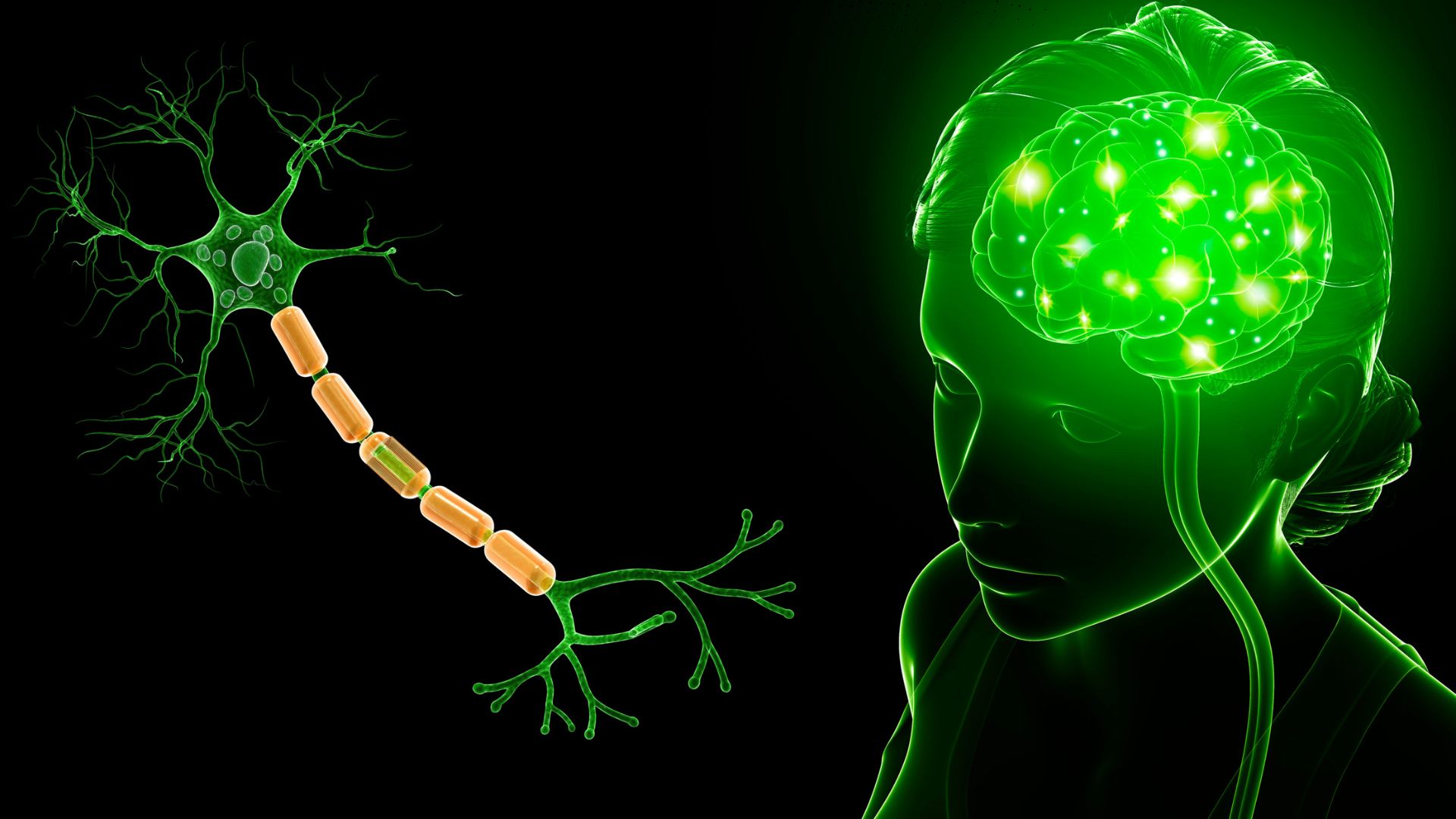
Quince extract reduces depression-like symptoms via the gut-brain axis
- Research Team: Nutritional Research Institute.
- Key Finding: Quince extract reduced brain inflammation and improved gut health in mice, thereby decreasing depression-like behavior. It appears to work by targeting both gut microbiota and inflammatory pathways.
- Significance: This suggests that plant extracts could serve as natural remedies to support mental health, opening new directions for the development of functional foods.
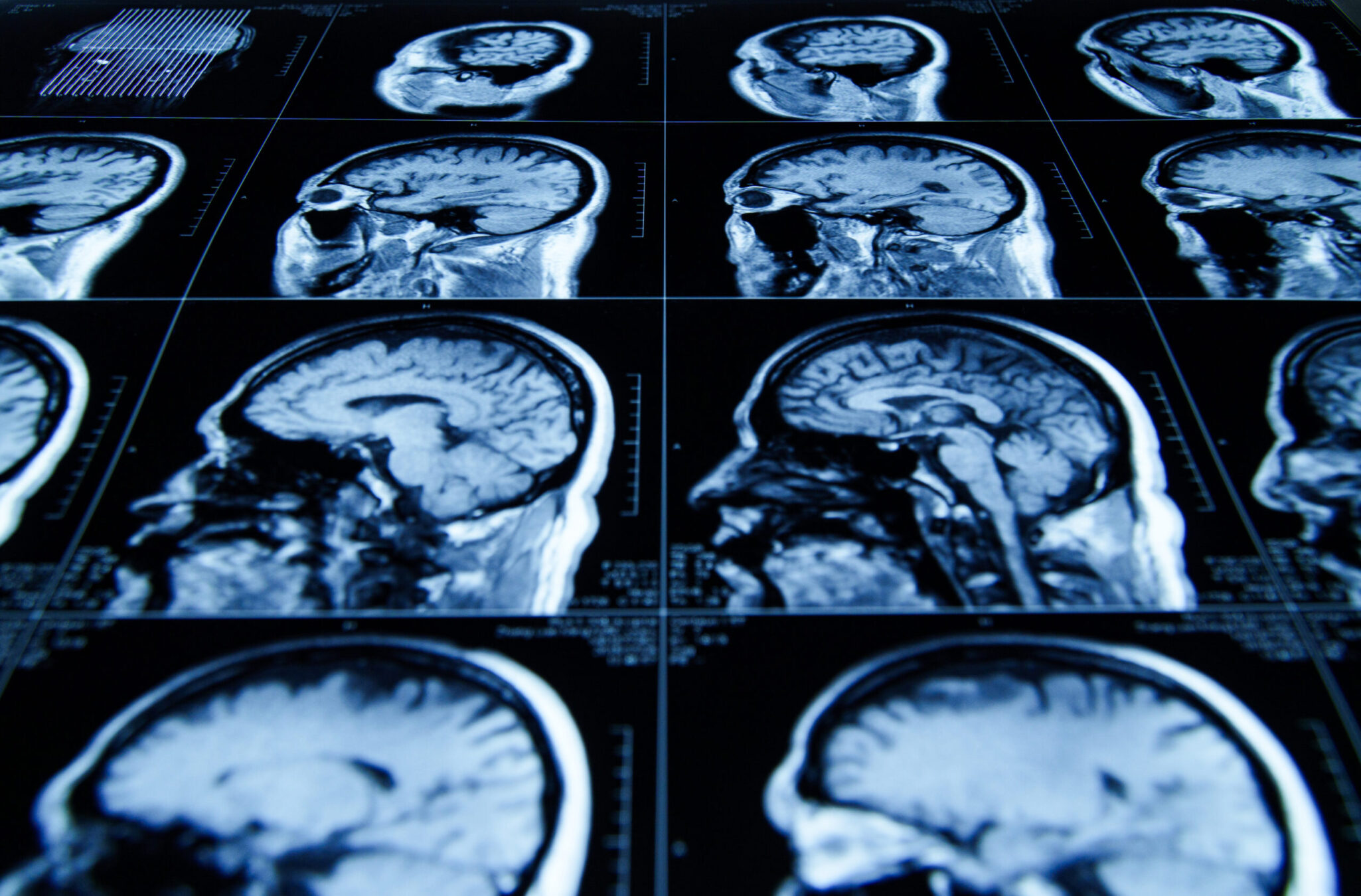
Gut chemicals achieve healing of traumatic brain injury and seizure suppression
- Research Team: Texas A&M University.
- Key Finding: Gut chemicals (presumed to be short-chain fatty acids) heal the brain after traumatic brain injury, make seizures harder to trigger, and reduce their frequency. This could open new pathways for epilepsy treatment.
- Significance: It demonstrates that natural therapeutic methods can repair neural damage, offering hope for curing epilepsy.
💊 Clinical Trials & Drug Trends
-
Psychobiotics clinical trials underway: According to a 2026 meta-analysis in the journal Frontiers, specific probiotics (e.g., Bifidobacterium longum 1714) are showing clinical efficacy in anxiety, stress, depression, and cognitive function. These "psychobiotics" are proving their translational value for neuropsychiatric disorders.
-
Precision psychobiotic pipeline development: As noted in a PMC paper, the challenges of neuroscience drug development are being systematically addressed by incorporating microbial components to create effective psychobiotics. Current clinical antidepressants and anti-anxiety medications have shown positive results in animal behavioral tests, which have been proven sensitive to probiotic effects as well.
🏢 Industry & Business
-
Widening funding gap for biotech startups: According to a recent analysis by BioPharma Dive (first half of 2026), venture capital investment has reached its highest level since 2022, but small startups are falling behind in fundraising. This indicates financial pressure on small and medium-sized enterprises developing gut microbiome therapeutics.
-
Gut health market expands beyond probiotics: As reported by Food Navigator (July 2026), food brands are introducing products with targeted digestive benefits beyond probiotics, such as A2 dairy, kimchi, and fennel-based products. The gut health market is evolving into comprehensive digestive health solutions.
🧠 Deep Dive: Potential of gut chemicals in treating traumatic brain injury
The most noteworthy aspect of the Texas A&M University study is the discovery that gut chemicals (primarily thought to be short-chain fatty acids) can cross the blood-brain barrier and directly heal brain damage. Short-chain fatty acids (especially butyrate) are produced when gut microbes ferment dietary fiber; they provide anti-inflammatory signals and communicate directly with the brain via the vagus nerve.
Following traumatic brain injury, neuroinflammation surges and the seizure threshold lowers. This study shows that gut chemicals exert neuroprotective effects by regulating inflammation in the central nervous system. In particular, the fact that seizures were harder to trigger and occurred less frequently indicates a reduction in brain circuit hyperexcitability. This opens a new paradigm for epilepsy management, leaving crucial questions regarding which bacterial species are most effective and how to maintain an optimal gut microbiome configuration for future clinical applications.
📋 Action Guide
-
Increase dietary fiber intake: Gut microbes need sufficient fiber to produce short-chain fatty acids. To support mental and brain health, consume 25-30g of fiber daily (whole grains, legumes, vegetables). Recent studies have proven that a fiber-rich diet increases gut microbiome diversity and improves gut-brain axis signaling.
-
Regularly consume fermented foods: Fermented foods like kimchi, yogurt, and kefir provide beneficial bacteria directly. According to a 2026 newsletter from Xylo Bio, research by Cussotto et al. found that specific probiotic strains were more effective than fluoxetine (an antidepressant) in improving anxiety and depression-like symptoms.
-
Minimize pesticide exposure: Beyond Pesticides' eco-psychiatry research confirmed that pesticide exposure disrupts the gut microbiome and triggers behavioral changes. Choose organic produce whenever possible and filter tap water to reduce exposure to chemical contaminants.
-
Stress management and exercise: Stress and physical activity alter the composition of the gut microbiome. Regular exercise and stress-reduction activities like meditation or yoga support the maintenance of a healthy gut microbiome and improve gut-brain axis signaling.
👀 Key Takeaways
-
Anticipated development of epilepsy clinical trials: As the seizure-suppression findings from Texas A&M have been validated in animal models, clinical trials for patients with traumatic brain injury and refractory epilepsy are expected to commence in the future.
-
Precision medicine for psychobiotics: Development of "precision psychobiotics," which match specific probiotic strains to an individual's genotype and gut microbiome profile, is underway, with a high possibility that personalized psychological probiotic prescriptions will become a reality after 2027.
-
Regulation of environmental toxin-neuropsychiatric links: With the gut-brain axis influence of pesticides now identified, it is expected that discussions will emerge on integrating pesticide regulation policies with public health strategies for mental health.
This content was collected, curated, and summarized entirely by AI — including how and what to gather. It may contain inaccuracies. Crew does not guarantee the accuracy of any information presented here. Always verify facts on your own before acting on them. Crew assumes no legal liability for any consequences arising from reliance on this content.
Powered by
