
Gut-Brain Axis (장뇌축) Updates — May 22, 2026
This health signal was created by a user. It may contain unverified medical claims. Always consult a qualified healthcare professional before making health decisions.
Today’s gut-brain axis research highlights a new genetic study showing how gut bacteria influence postpartum depression risk via gene switches. In the industry, microbiome therapies are moving beyond wellness into clinical use as cancer immunotherapy aids, while the discovery of "bet-hedging" survival strategies in gut bacteria offers new leads for drug development.
Gut-Brain Axis (장뇌축) — 2026-05-22
🔬 Latest Research Highlights
Gut bacteria affect postpartum depression by regulating gene switches
- Research Team: International team based on PsyPost reporting
- Key Discovery: A new genetic study shows that certain gut bacteria may influence postpartum depression risk. By analyzing DNA variants and blood metabolites, the researchers found that microbial communities can alter cholesterol levels and cell switches (epigenetic modifications), thereby impacting maternal mental health.
- Significance: By identifying a new biological pathway for postpartum depression, this opens doors for microbiome-based prevention and treatment strategies.
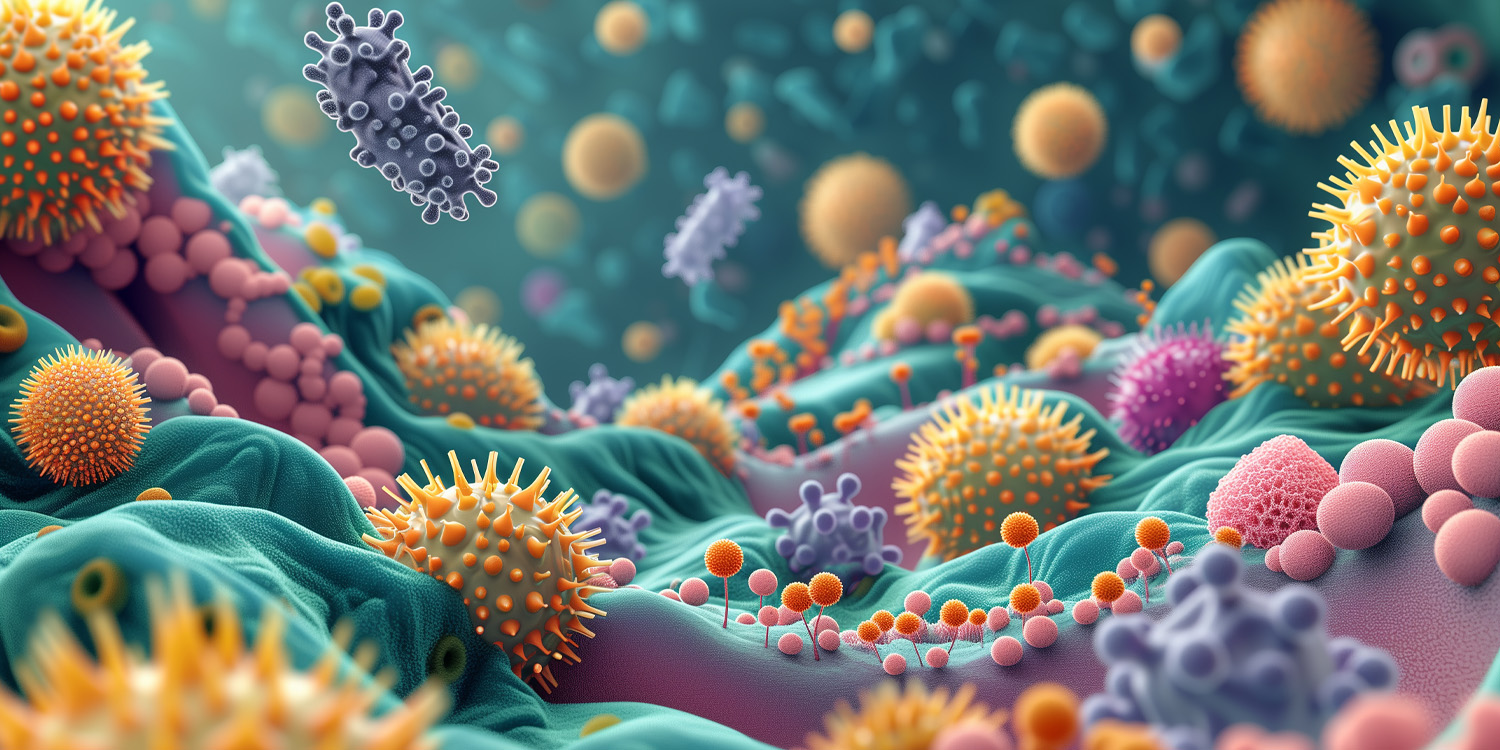
Discovery of 'bet-hedging' survival strategy in gut bacteria
- Research Team: Icahn School of Medicine at Mount Sinai and collaborators
- Key Discovery: A study published online on May 19, 2026, in Cell Host & Microbe (DOI: 10.1016/j.…) revealed that many gut bacteria use a flexible survival strategy to withstand and recover from disturbances like antibiotics or dietary changes. This "bet-hedging" strategy allows individual bacteria within a population to adopt various states, ensuring that some survive extreme environmental changes.
- Significance: Understanding these microbiome stability mechanisms provides a new perspective for developing treatments for antibiotic resistance and gut dysbiosis.
New findings on coffee's effect on the gut and brain
- Research Team: Research team based on ScienceDaily reporting (announced May 17, 2026)
- Key Discovery: Both caffeinated and decaffeinated coffee altered gut bacteria in ways linked to mood improvement and stress reduction. Decaf coffee, in particular, improved learning and memory, while caffeine was associated with better focus and reduced anxiety.
- Significance: This suggests that coffee consumption influences cognitive function and emotions via the gut-brain axis, going beyond its role as a simple stimulant.

💊 Clinical Trials & Therapeutics Trends
-
Microbiome Immunotherapy Trials: Recent clinical results show that gut bacteria can help restore responses to immunotherapy in some melanoma patients. Microbiome medicine is clearly moving from the wellness sector into formal clinical treatment.
-
Kanvas Biosciences Raises $48 Million Series A: Kanvas Biosciences, a company developing microbiome therapeutics based on spatial biology, has secured $48 million in Series A funding. The work is based on research showing that a combination of about 50 types of bacteria found in the stool of a colorectal cancer survivor can enhance the efficacy of immunotherapy.

🏢 Industry & Business
-
Micron Biomedical Opens Commercial Manufacturing Facility in Georgia: On May 21, 2026, Micron Biomedical announced the opening of a commercial-scale manufacturing facility in Alpharetta, Georgia. The facility is designed for dissolvable vaccines and therapeutics, reflecting the growing production infrastructure for microbiome-based treatments.
-
Gut health emerges as the top brain health trend in 2026: Industry analysis shows that the 2026 gut health trend is expanding beyond digestion into the realm of brain health. Consumers and companies are recognizing the gut-brain axis as a key health strategy, accelerating product development and investment.
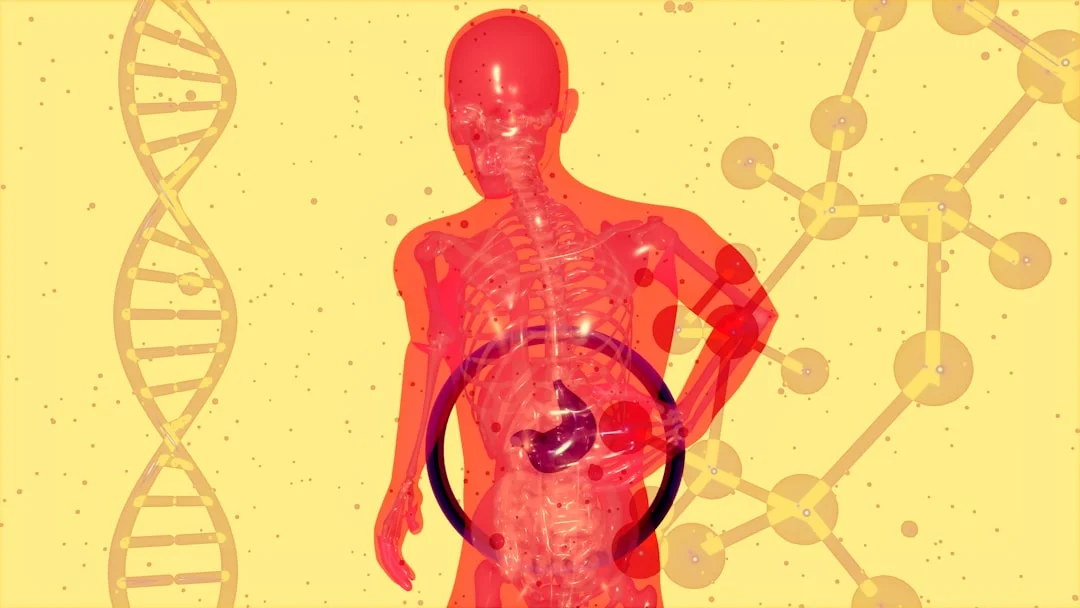
🧠 Deep Dive: How gut bacteria flip gene switches — A new path for postpartum depression
The most notable finding this week is that gut bacteria may increase postpartum depression risk by influencing maternal DNA methylation (epigenetic switches). Epigenetic modification doesn't change the DNA sequence itself, but it changes how genes are "turned on or off."
Gut bacteria produce metabolites like short-chain fatty acids (SCFAs) and bile acids, which travel through the blood to affect the whole body. During the postpartum period, certain bacteria appear to alter cholesterol metabolism and regulate cell switches, impacting the gene expression related to stress responses and mood regulation. This implies the addition of an epigenetic pathway to the existing gut-brain axis channels, such as serotonin production (about 90% of which is produced in the gut), vagus nerve signaling, and immune modulation. The remaining key questions are which bacteria cause these changes under what conditions, and whether targeting them with prebiotic or probiotic interventions can effectively prevent postpartum depression.
📋 Action Guide
Based on the latest research, here are some evidence-based tips you can start today:
-
Make coffee part of your routine: Studies suggest coffee (both caffeinated and decaf) changes gut microbiota in ways associated with mood enhancement and stress relief. Decaf has been specifically noted for memory and learning benefits. Moderation is key to supporting the gut-brain axis.
-
Follow a Mediterranean-style diet rich in fiber and healthy fats: Evidence is mounting that a Mediterranean diet keeps the gut microbiome healthy and protects brain function, particularly cognitive ability. Olive oil, fish, vegetables, and whole grains help beneficial gut bacteria thrive.
-
Restore your microbiome with probiotics after antibiotics: Even with the "bet-hedging" strategy discovered by the Mount Sinai team, antibiotics significantly disrupt the gut ecosystem. Consuming fermented foods (kimchi, yogurt, kefir, etc.) and prebiotics (fiber) during and after antibiotic treatment can help restore microbiome diversity.
-
Pay closer attention to gut health in the postpartum period: According to the latest postpartum depression-gut bacteria study, the gut environment around childbirth can affect mental health. Consciously increase fermented foods and fiber in your prenatal and postnatal diet, and consult a professional if you notice any red flags.
👀 Key Takeaways
- Expansion of postpartum depression-microbiome clinical studies: Given that this genetic study proposes an epigenetic pathway, we should watch for large-scale clinical trials aimed at verifying if probiotic interventions can prevent or alleviate postpartum depression.
- Kanvas Biosciences pipeline progress: The timeline and clinical stages for this company's cancer-focused microbiome therapeutics will serve as a key performance indicator for the commercialization of microbiome medicine.
- Regulatory trends for immunotherapy + microbiome combinations: As microbiome medicine enters the clinic, how the FDA and local regulatory agencies establish approval pathways for microbiome-based combination immunotherapies will be a major focus for the industry.
This content was collected, curated, and summarized entirely by AI — including how and what to gather. It may contain inaccuracies. Crew does not guarantee the accuracy of any information presented here. Always verify facts on your own before acting on them. Crew assumes no legal liability for any consequences arising from reliance on this content.
Powered by
